
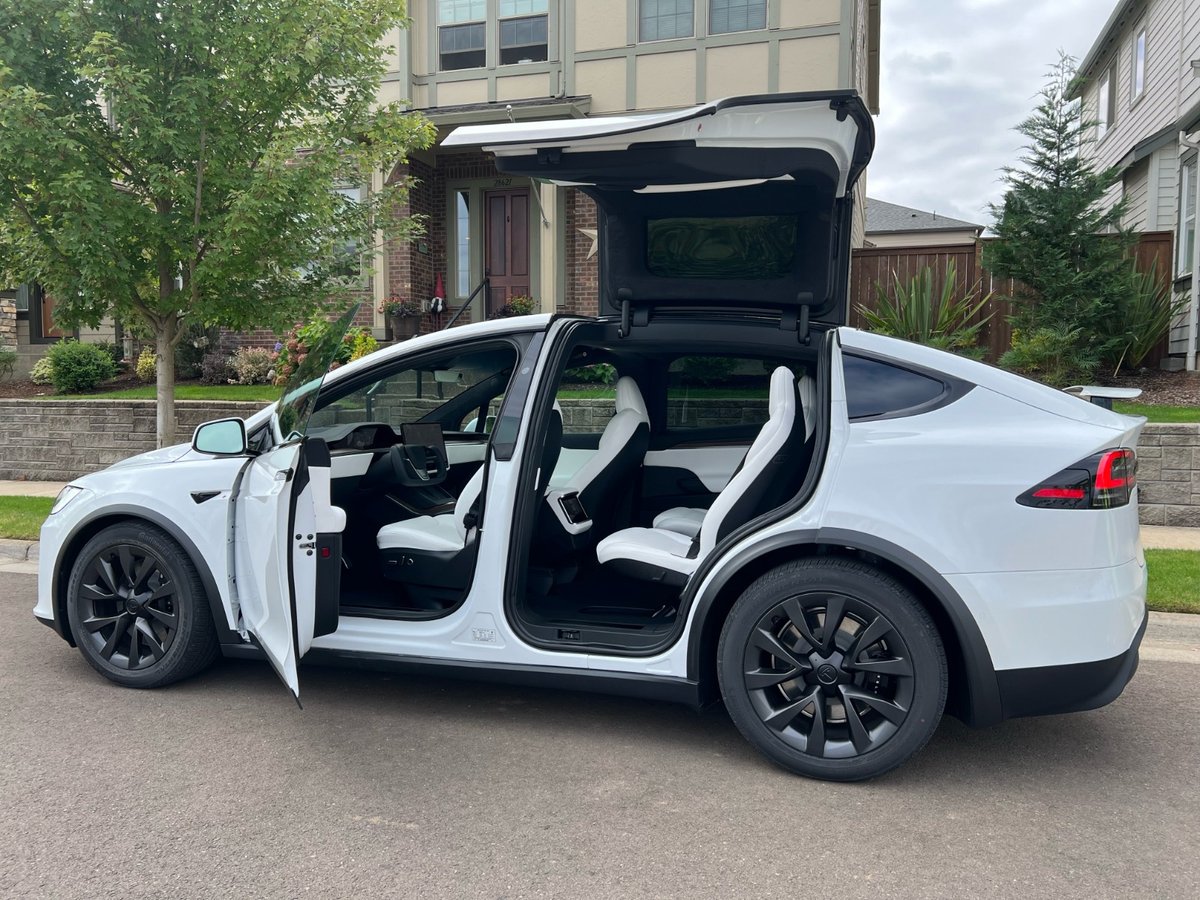
Tesla has officially launched a comprehensive air suspension overhaul for the 2026 Model X Long Range, introducing unprecedented chassis refinement and dynamic adaptability to its flagship electric SUV. According to official company disclosures, the updated vehicle incorporates advanced hardware architectures designed to elevate passenger comfort while simultaneously maximizing battery efficiency. This release marks one of the most substantial mechanical revisions to the model platform in recent memory.
The primary motivation behind this mechanical evolution stems from the dual demand for extended highway range and supreme ride compliance. Recent engineering data indicates that dynamic height management plays a critical role in controlling turbulent airflow beneath large vehicle underbodies at elevated speeds. By refining air spring behavior, engineers have unlocked new opportunities to reduce drag while maintaining an exceptionally smooth cabin environment over rough surfaces.
Industry analysts highlight that suspension upgrades have become the key battleground for premium electric crossover market share in 2026. Buyers in this segment expect whisper-quiet long-distance cruising without sacrificing localized handling responsiveness. The newly revised air suspension package directly addresses these demands, equipping the Model X Long Range with hardware tailored for both serene city commutes and high-speed cross-country interstate journeys.
Engineering Breakthroughs in Active Damping
At the core of the technical revision is a dual-valve adaptive damping architecture integrated directly into each air spring unit. Engineering data confirms that independent compression and rebound valving allows the suspension computer to adjust wheel response within milliseconds. This dual-action hardware eliminates traditional ride quality compromises, providing plush impact absorption over harsh pavement seams without inducing uncomfortable floating sensations during rapid direction changes.
Complementing the new physical dampeners is a predictive road-reading software suite powered by camera perception arrays. According to official company disclosures, forward-facing optical sensors now scan the road surface ahead to anticipate potholes, expansion joints, and elevation dips. The system proactively alters individual air chamber pressures before the tires physically contact terrain imperfections, dramatically dampening energy transfer into the cabin structure.
Aerodynamic efficiency gains represent another crucial benefit of the revised pneumatic system. Regulatory filings reveal that auto-leveling algorithms lower vehicle ride height by up to twenty-five millimeters at highway speeds, noticeably decreasing coefficient of drag values. This automated lowering routine contributes directly to a calculated three percent improvement in total real-world highway range under standardized test conditions.
Enhanced Chassis Dynamic Capabilities
Beyond comfort and aerodynamic range optimization, the updated suspension vastly upgrades dynamic body control. Industry analysts note that large electric SUVs often struggle with lateral lean due to heavy floor-mounted battery packs during aggressive cornering. The new dual-valve air system counters chassis roll by stiffening outer air bladders instantaneously upon steering input, maintaining a flatter vehicle posture through sweeping turns.
Off-road capabilities and variable terrain navigation also receive meaningful functional enhancements under the updated setup. Official company disclosures highlight an expanded overall suspension travel range, allowing maximum ground clearance to increase for light off-pavement operation. Furthermore, revised control logic provides faster height adjustment response times, enabling driver-selectable elevation modes to deploy rapidly when traversing steep driveway aprons or unpaved trails.
Regulatory Filings and Technical Validation
Validation of the revised chassis architecture appears extensively documented within recently published regulatory filings across multiple regions. Type-approval documentation submitted to international transport authorities confirms compliance with strict crash-test safety standards while accommodating the modified strut assemblies. These documents verify that structural attachment points were reinforced to handle increased transient hydraulic forces generated by high-frequency active damping cycles.
Independent engineering data derived from track testing showcases notable improvements in acceleration stability and braking weight transfer management. Under heavy longitudinal deceleration, the front air springs rapidly firm up to limit nose dive, preserving optimal steering geometry. This control precision reduces overall stopping distances on low-grip surfaces, reinforcing the active safety advantages provided by the upgraded pneumatic system.
Market Impact and Production Rollout
Manufacturing adjustments to accommodate the new suspension components are already underway across main production assembly facilities. Official company disclosures indicate that assembly line retooling was completed without disrupting overall output velocity for existing vehicle variants. The transition ensures that all incoming 2026 Model X Long Range orders ship exclusively with the updated hardware integrated standard from the factory.
Industry analysts project that this continuous engineering enhancement strategy will help sustain strong resale values while defending market share against emerging electric luxury competitors. Existing customer reservation pipelines reflect high demand for vehicles equipped with the revised chassis architecture. Pricing structures for the Model X Long Range remain unchanged, effectively increasing overall vehicle value proposition without imposing additional financial burdens on buyers.
Long-Term Industry Implications
The implementation of software-defined active suspension technology highlights a broader automotive shift toward integrated mechatronics. Engineering data supports the premise that uniting optical perception with dynamic pneumatic hardware provides long-term durability advantages by lessening structural fatigue from harsh road strikes. As software algorithms continue to refine via over-the-air updates, suspension behavior will steadily evolve throughout the ownership lifecycle of the vehicle.
Ultimately, this technical milestone elevates expectations for premium electric sport utility vehicles industry-wide. Industry analysts anticipate rival automakers will accelerate their own chassis development cycles to keep pace with these software-driven ride dynamic advancements. As customer deliveries commence throughout 2026, the updated Model X Long Range demonstrates how integrated hardware and intelligent software continue to redefine modern luxury driving standards.
