
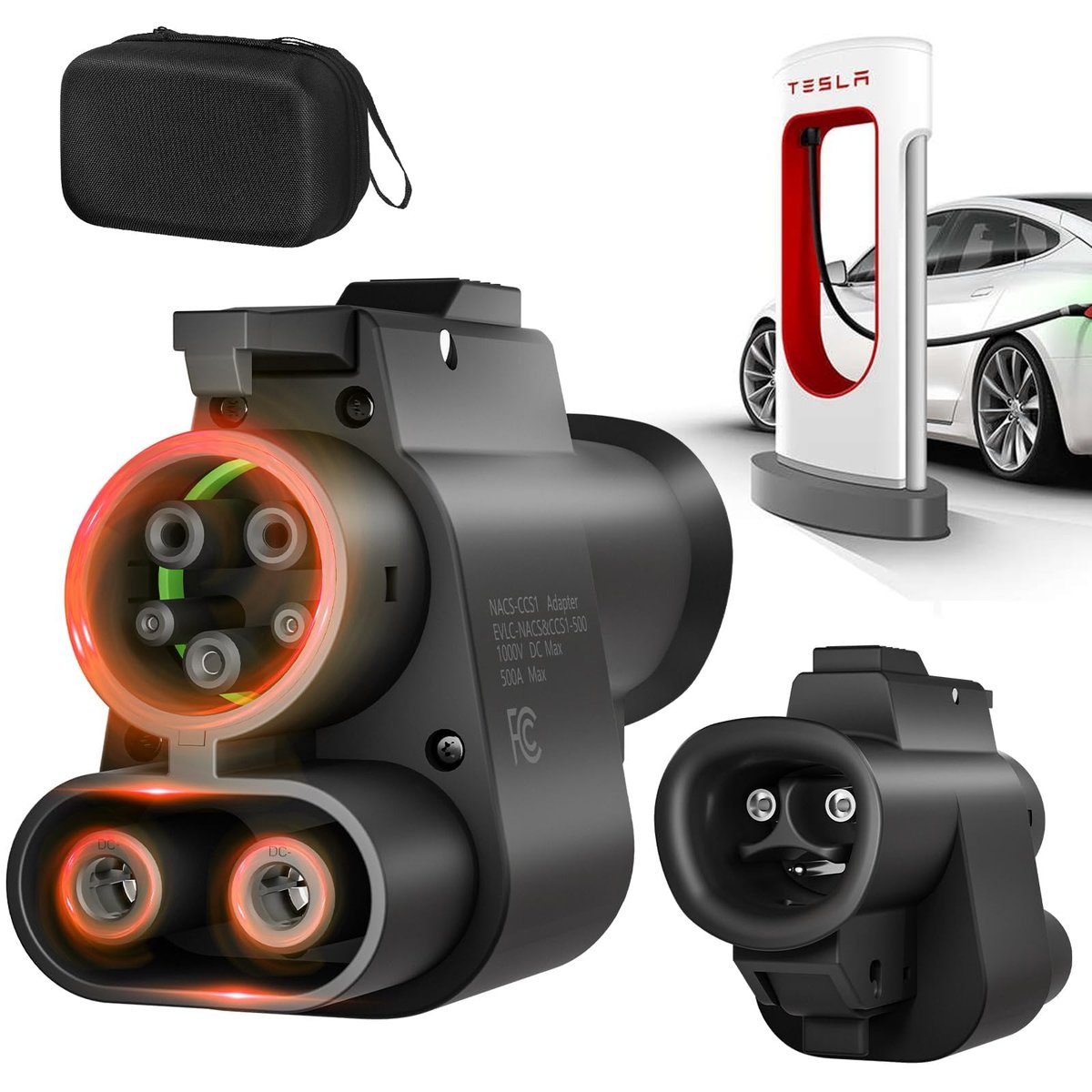
The global electric vehicle landscape has reached a decisive milestone as non-Tesla models achieve seamless integration across North America’s Supercharger network. Throughout early 2026, millions of drivers operating non-Tesla electric cars gained full access to thousands of fast-charging stalls through approved NACS adapters. This transformation follows years of intense engineering alignment and regulatory coordination across major automotive brands seeking unified charging access.
According to official company disclosures, virtually all legacy and startup automakers have completed software retrofits necessary to authorize charging handshakes. Vehicle owners can now utilize physical adapter hardware supplied directly by original equipment manufacturers or certified aftermarket partners. The deployment effectively doubles the usable high-speed charging options available to non-Tesla drivers, resolving long-standing regional network coverage disparities.
Industry analysts note that adapter availability has dramatically reduced public charging friction, which previously dampened consumer EV adoption rates. Drivers moving across interstates report reduced wait times and higher charging reliability when connecting to upgraded Supercharger locations. Consequently, brand preference metrics are shifting as buyers prioritize vehicle charging versatility over proprietary ecosystem loyalty.
Accelerated Adapter Deployment and Standard Integration
Mass production of official NACS-to-CCS1 adapters scaled rapidly over the past twelve months to clear extensive distribution backlogs. Engineering data confirms that these ruggedized adapters support continuous energy transfer up to 500 amps and 1,000 volts without dynamic power throttling. Built-in thermal monitoring sensors communicate continuously with vehicle software to prevent hardware overheating during peak charging sessions.
Automakers have structured distribution pipelines to fulfill backordered adapter requests for existing vehicle owners. Regulatory filings show that safety agencies approved the high-voltage hardware after rigorous mechanical strain and water ingress testing under severe winter and summer environments. Independent certification bodies validated that adapter housing materials resist mechanical stress from repetitive heavy-duty handling.
While early adapter rollouts faced supply constraints, current delivery targets reflect stable inventory levels across service centers nationwide. Car dealerships now include standard NACS adapters with new vehicle sales, bridging the transition until native NACS ports become standard equipment across all 2027 model-year assembly lines. This hardware bridge ensures uninterrupted utility for drivers operating mixed-fleet electric vehicles.
Technical Infrastructure and Protocol Harmonization
Achieving seamless adapter functionality required extensive software coordination between disparate vehicle operating systems and Tesla’s proprietary site controllers. Engineering data reveals that firmware updates enabled standardized ISO 15118 communication protocols across non-Tesla onboard chargers. This backend alignment guarantees automated digital handshakes, allowing Plug and Charge convenience without requiring manual smartphone application authentication at the pedestal.
Simultaneously, the physical installation of Supercharger V4 cabinets has accelerated to support high-voltage architectures up to 1,000 volts. Official company disclosures indicate that these modern dispensers feature longer cables, designed specifically to accommodate diverse charging port locations on non-Tesla vehicles. The longer reach eliminates awkward parking maneuvers that previously blocked adjacent charging stalls at older station layouts.
Billing mechanisms have also harmonized through integrated financial backends between automaker mobility apps and network billing servers. Vehicle displays now present real-time kilowatt-hour pricing, stall availability, and peak charging speed expectations tailored specifically to the connected car model. This transparent data exchange minimizes confusion and ensures that charging costs are billed directly to the user’s preferred account.
Market Impact and Fleet Capability Expansion
The rapid integration of non-Tesla EVs into the Supercharger ecosystem has generated significant momentum across the broader automotive market. Industry analysts report that access to reliable fast charging has neutralized one of the primary purchase objections for rival electric vehicles. Consequently, legacy auto manufacturers are experiencing enhanced residual values for their non-Tesla electric fleets across secondary sales channels.
Competitive charging networks have responded by upgrading their own infrastructure to feature dual-standard connectors and expanded dynamic power delivery. Regulatory filings show that federal charging grant allocations now prioritize sites offering universal hardware compatibility and high uptime standards. This competitive pressure has elevated overall charging quality nationwide, benefiting drivers regardless of their vehicle brand or adapter reliance.
Commercial fleet operators have also capitalized on adapter integration to deploy electric vans and transport vehicles across regional trade corridors. Official company disclosures highlight that fleet managers report reduced operational downtime because drivers can access high-power Superchargers during intercity routes. Unified charging capability simplifies route planning, lowering total cost of ownership calculations for commercial electrification programs.
Grid Load Dynamics and Ecosystem Expansion
As millions of non-Tesla vehicles plug into the network, utility providers and station operators are closely managing local electrical grid demand. Engineering data indicates that smart load-balancing software distributes available power across active stalls, preventing localized grid spikes during peak travel hours. On-site battery storage systems at high-traffic locations further buffer power draws, maintaining high charging speeds during high-volume periods.
Looking ahead, the successful deployment of adapter solutions marks a temporary step toward a fully standardized charging ecosystem. As new vehicle models natively integrate NACS inlet ports, the dependence on physical adapters will gradually diminish over the next decade. Nevertheless, the adapter bridge has successfully unified North American electric mobility, establishing a blueprint for international infrastructure harmonization.
