
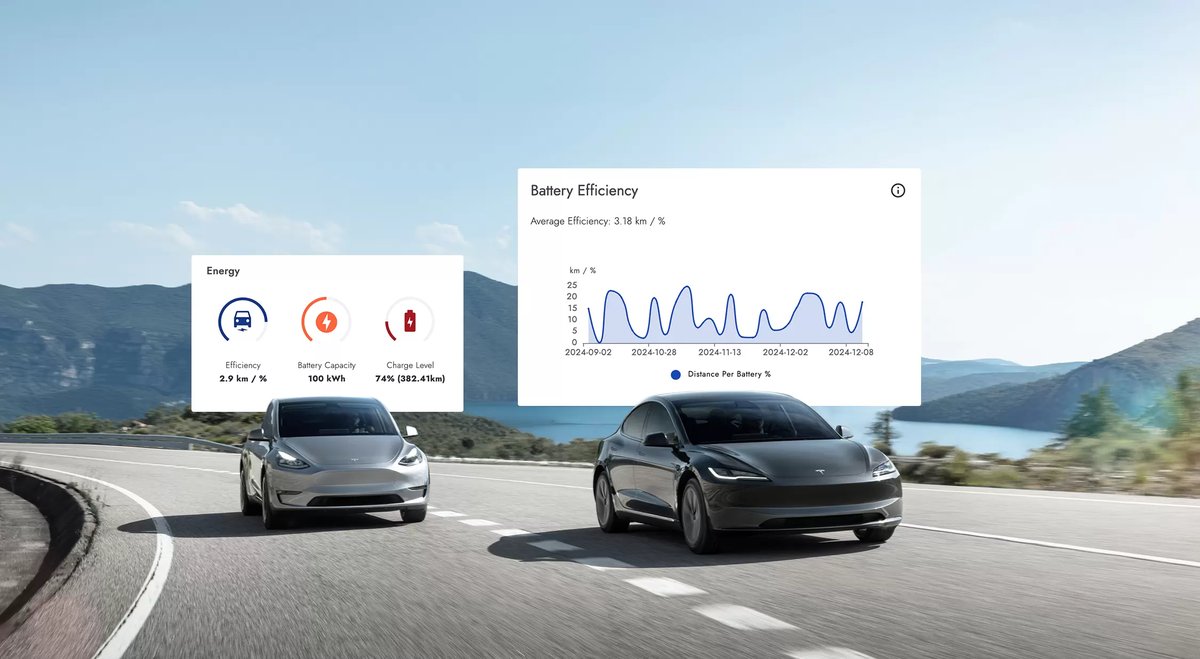
Tesla has officially launched its Fleet Telematics Enterprise API, offering commercial transport operators direct high-frequency access to internal vehicle diagnostics, battery health, and real-time location metrics. The system provides logisticians with sub-second data streaming capabilities designed to optimize route management for large EV deployments. This software framework bridges raw vehicular computing power with third-party enterprise resource planning systems across international shipping channels.
According to official company disclosures, the API architecture establishes end-to-end encrypted telemetry feeds from both the Tesla Semi and enterprise light commercial vehicle fleets. Freight operators can now stream granular operational variables directly into existing logistics management software without relying on auxiliary hardware dongles. By eliminating third-party hardware accessories, companies can significantly reduce maintenance overhead while enhancing security protocols across digitized supply chains.
Technical Architecture and Fleet Connectivity
Engineering data reveals that the API utilizes WebSocket protocols to maintain low-latency connections with vehicle telemetry servers worldwide. This structural core delivers real-time information regarding state of charge, thermal management status, tire pressure, and autonomous driving mode engagement. Consequently, fleet managers gain unprecedented visibility into asset performance during long-haul transport corridors and urban micro-distribution runs.
Furthermore, recent engineering data highlights the platform's ability to execute remote commands via RESTful endpoint requests. Authorized dispatchers can trigger pre-conditioning cycles, adjust charging limits dynamically, and manage remote locking mechanism states directly through centralized dashboards. This level of remote control drastically streamlines daily terminal operations while minimizing manual driver intervention during tight delivery schedules.
Integration with third-party software suites is facilitated through scalable OAuth 2.0 authentication frameworks to protect proprietary operational datasets. According to official company disclosures, enterprise clients can assign granular control permissions to different administrative tiers within their organizations. This capability prevents unauthorized access while ensuring seamless interoperability with legacy enterprise resource planning platforms already deployed across commercial distribution hubs.
Predictive Maintenance and Battery Health Optimization
The enterprise API places heavy emphasis on long-term vehicle health management by transmitting detailed high-voltage telemetry metrics continuous throughout operational cycles. Industry analysts note that real-time tracking of cell degradation rates and thermal stress vectors enables logistics firms to schedule preventative maintenance before catastrophic failures occur. This shift toward proactive servicing minimizes unexpected fleet downtime and protects capital investments in electric transport assets.
Additionally, engineering data reveals that automated battery diagnostics analyze supercharging session impacts on pack longevity across varied environmental conditions. Fleet dispatchers receive automated alerts when vehicle charging protocols deviate from optimal parameters, allowing immediate adjustments to charging schedules. This level of automated oversight preserves battery capacity over extended vehicle lifecycles and maintains predictable operational ranges across demanding delivery routes.
Regulatory filings emphasize that standardized diagnostic access simplifies compliance reporting for zero-emission commercial transport mandates in multiple jurisdictions. Fleet operators can automatically generate verified emissions offset certificates and energy usage logs directly from authenticated vehicle telemetry outputs. Consequently, transport companies reduce administrative burden while demonstrating full compliance with evolving state and federal environmental standards.
Supply Chain Integration and Route Optimization
The enterprise API integrates directly with route optimization platforms to calculate energy expenditure along complex delivery paths in real time. Official company disclosures indicate that elevation changes, payload weight, ambient temperature, and wind speed are continuously factored into arrival predictions. This predictive power allows dispatchers to dynamically reroute vehicles, avoiding congestion and ensuring timely cargo deliveries across urban and rural corridors.
Moreover, automated charging queue management is embedded directly into the telematics framework to streamline depot turnaround times. Industry analysts observe that freight fleets using the API experience reduced queue times at commercial megawatt charging stations due to intelligent scheduling algorithms. By synchronizing vehicle arrival times with charger availability, logistics firms maximize active operational hours and significantly increase asset utilization rates across major delivery networks.
Market Impact and Delivery Targets
Industry analysts project that widespread adoption of the Telematics API will accelerate commercial transport electrification across North America and Europe. Logistics providers operating mixed vehicle fleets can now centralize data streams into a single unified operational dashboard. This technological integration lowers barrier-to-entry costs for mid-sized transport firms seeking to transition away from traditional internal combustion engine assets over the coming decade.
According to official company disclosures, enterprise subscription models for the API will scale dynamically based on fleet size and query frequency parameters. Initial deployment partners have reported noticeable reductions in total cost of ownership through optimized route planning and reduced energy waste. Financial metrics outlined in regulatory filings suggest software services will become an increasingly lucrative recurring revenue stream alongside commercial vehicle sales.
Cyber Security and Industry Standard Adoption
Engineering data indicates that robust cyber security measures are embedded directly into the telematics software stack to defend against external cyber threats. Dual-key cryptographic signatures and continuous automated anomaly detection shield vulnerable endpoints from data interception or unauthorized command injections. These stringent security protocols satisfy rigorous international automotive cyber security compliance standards, ensuring complete data protection for enterprise logistics partners operating globally.
Looking ahead, regulatory filings indicate plans to integrate machine learning models directly into future API iterations for hyper-accurate predictive analytics. Industry analysts anticipate that deeper integration of vehicle telemetry with smart grid networks will further lower operational charging expenses. As commercial electric vehicle adoption accelerates worldwide, standardized enterprise telematics will remain a critical software pillar for modernized, high-efficiency transport logistics.
