
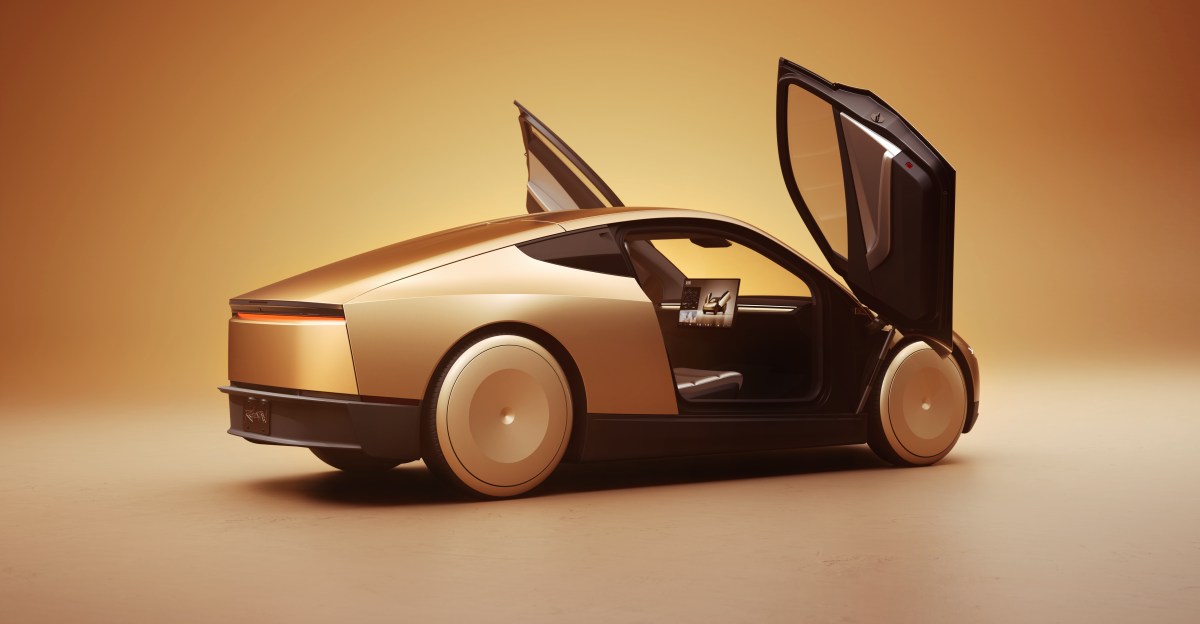
Inside Tesla Cybercab: Riding In The Wheel-Free Robotaxi
Futuristic Design Meets Real-World Reality
Stepping into a car without a steering wheel or pedals feels like walking directly into a science-fiction scene. Tesla has officially begun offering paid rides in its long-promised Cybercab across Austin, Texas, granting passengers a firsthand look at fully autonomous urban transport. Yet, while the core technology represents a massive leap forward, real-world deployment reveals a complex mix of futuristic charm and operational friction.
The initial sensation of being shuttled around by software quickly collides with urban reality during pick-ups and drop-offs. In one notable instance along a narrow road near a popular Austin recreation spot, the vehicle came to a complete halt in the middle of traffic, flashing its lights while a queue of frustrated drivers accumulated behind it. Navigating public interactions remains one of the fleet's most awkward challenges.
According to recent state regulatory disclosures, forty-five Cybercabs are currently registered to operate within Texas. The vehicle fleet currently covers a geofenced service region spanning approximately 288 square miles across the capital city. This rollout marks the company’s most ambitious attempt yet to transition from driver-assist systems to a fully unsupervised, purpose-built mobility service for paying commercial passengers.
Ordering the Autonomous Lounge Experience
Hailing the two-seater requires using a dedicated robotaxi smartphone application, though potential passengers currently face significant fulfillment delays. Ride requests submitted during peak evening hours yielded estimated wait times exceeding forty-five minutes for short trips under two miles. While pricing remains competitive at approximately fifteen dollars per ride, fleet density is clearly limited during this initial launch phase.
Visually, the Cybercab commands immediate attention on public streets. Featuring a striking gold-tinted finish, aggressive geometric bodywork, and solid disc-style wheel covers, the design draws heavily from futuristic aesthetics. Passengers gain entry by tapping a button within the smartphone app, which triggers the vehicle's motorized butterfly doors to swing upward, revealing a clean, uncluttered cabin interior.
Inside, the cabin feels like a minimalist lounge optimized strictly for two passengers. The complete absence of a steering column and pedal box creates an abundance of legroom where traditional controls usually sit. A single row of supportive seats faces a large central touchscreen display, which handles all climate, entertainment, and routing functions throughout the journey.
How the Unsupervised Driving Software Performs
On open stretches of road, the Cybercab provides a surprisingly tranquil experience. Without human control inputs, the vehicle maintains steady cruising speeds and handles standard lane-keeping duties with calm efficiency. At its best, the ride feels comfortably routine, proving that purpose-built autonomous vehicles can seamlessly blend into normal traffic streams when road conditions remain simple and clear.
However, complex urban navigation often reveals moments of software hesitation. On congested streets, the vehicle’s decision-making logic can resemble that of a novice driver. Sudden braking, indecisive lane positioning, and cautious micro-adjustments at intersections suggest the underlying vision system is frequently second-guessing surrounding traffic dynamics during unpredictable scenarios.
This stark contrast creates a dual sensation for riders, alternating between an impressive technological feat and a tense, unpredictable voyage. While the vehicle operates without any physical safety driver inside, the software's tentative behavior during challenging left turns and merges highlights the immense difficulty of mastering completely unsupervised urban autonomy in complex traffic environments.
Operational Teething Troubles and Public Reaction
Beyond software calibration, hardware mechanics have drawn mixed feedback from early users. Industry reports highlight occasional concerns regarding the motorized butterfly doors, which open rapidly and can catch unsuspecting passengers off guard if they stand too close. Additionally, the lack of manual door handles requires total reliance on the mobile application for entry and exit.
Drop-off locations present another recurring operational headache for both passengers and surrounding motorists. Because the vehicle relies strictly on designated digital drop zones, it occasionally stops in inconvenient spots that partially block narrow thoroughfares. Exiting the vehicle while frustrated local drivers wait behind can make the futuristic ride feel surprisingly embarrassing for passengers.
Public reaction to the gold fleet across Austin remains visibly divided. Passersby frequently stop to photograph the unusual vehicles, while irritated drivers occasionally express frustration when the cars execute overly cautious maneuvers. Furthermore, high-profile corporate branding ensures that every public road test carries significant public scrutiny from onlookers evaluating the viability of autonomous transit.
The High-Stakes Gamble for Autonomous Mobility
The Cybercab deployment represents a major strategic shift away from retrofitted production vehicles. Previous autonomous pilot programs relied heavily on modified Model Y crossovers equipped with safety driver oversight and traditional controls. In contrast, this new fleet represents a ground-up bet on custom hardware built solely to operate without human intervention.
Analyst reports suggest that the success of this commercial pilot will heavily influence the broader regulatory landscape for steering-wheel-free vehicles nationwide. As state transportation authorities monitor safety metrics and traffic impacts, the coming months will determine whether these gold two-seaters can evolve from high-tech novelties into reliable urban workhorses.
