
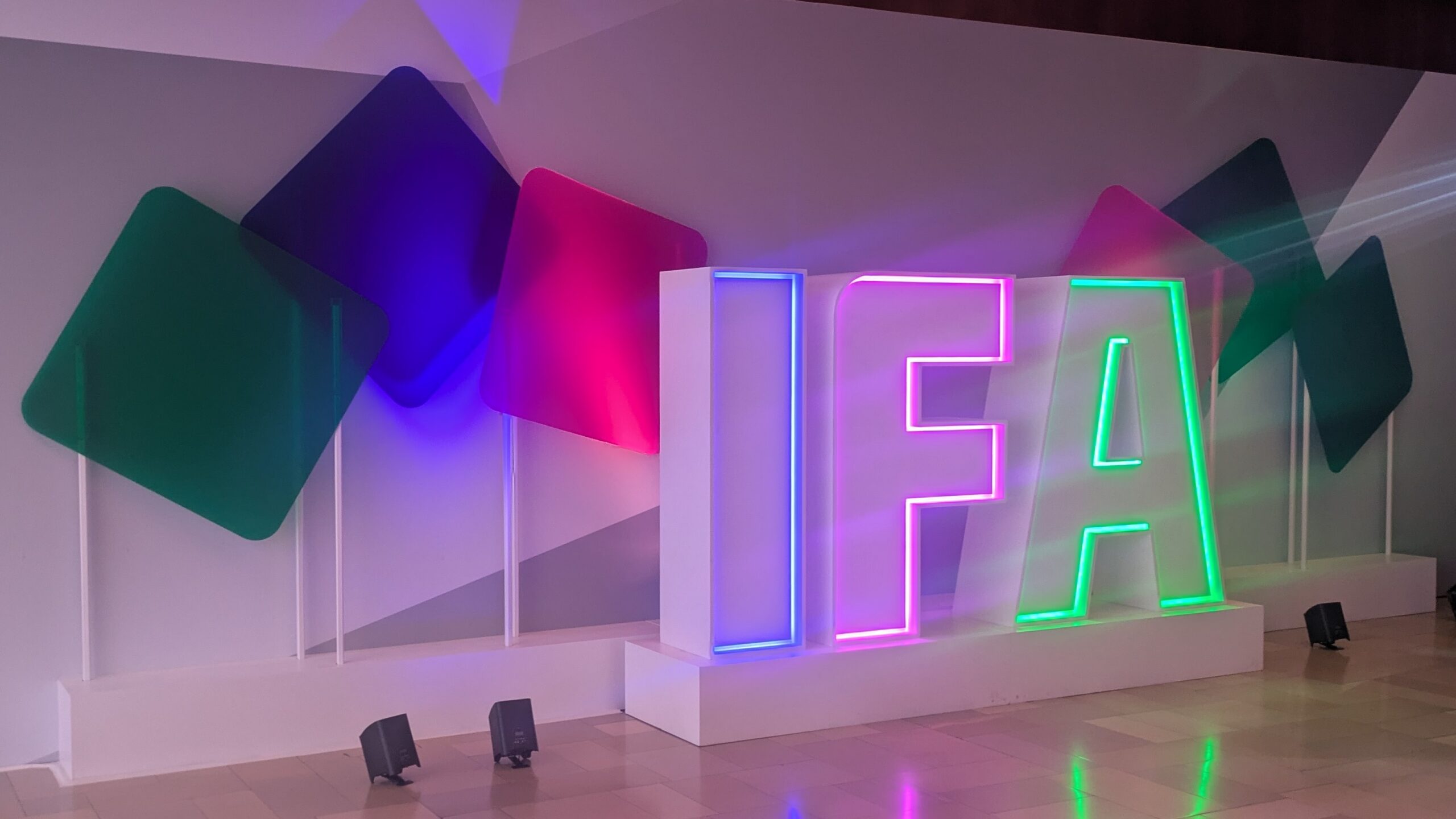
How IFA Berlin Showcased Next-Gen Home Tech Sustainability
The recent conclusion of IFA Berlin highlighted a significant evolution in global clean technology across consumer spaces. Rather than treating sustainability as a single feature or marketing headline, major international manufacturers demonstrated a multi-faceted approach. Energy efficiency, heat pumps, and induction cooktops have officially transitioned from premium novelties into baseline expectations across the European household appliance sector.
Trade show floor demonstrations revealed that reducing carbon footprints requires addressing every single stage of a product's life cycle. European consumers are demanding far more than low wattage during daily operation. Companies are now responding by re-engineering manufacturing supply chains, material sourcing, and end-of-life recycling strategies to systematically minimize overall environmental footprints.
Baseline Expectations Shift Toward Whole-Life Appliance Eco-Design
Manufacturing heavy home appliances traditionally involves carbon-intensive raw materials like structural steel and virgin plastics. Industry filings at the event highlighted Bosch's Green Collection, which focuses on cutting production material emissions by up to 50 percent. This design strategy demonstrates that reducing embedded carbon during manufacturing is just as critical as operational power savings.
Packaging sustainability also took center stage across major product displays during the trade show. Appliance manufacturer Ferre dedicated significant exhibition space to demonstrate fully recycled packaging materials, actively eliminating single-use expanded polystyrene. Meanwhile, European manufacturing powerhouse Gorenje emphasized an end-to-end approach, integrating sustainable practices across sourcing, Slovenian factory production, operational energy efficiency, and eco-friendly packaging choices.
To encourage consumer electrification without compromising performance, Gorenje showcased high-output induction cooktops alongside specialized electric pizza ovens. Because electrified appliances must match or exceed legacy gas alternatives in daily performance to achieve widespread adoption, improving operational capability remains a foundational pillar of long-term decarbonization strategies for major international appliance producers.
The Rapid Industrial Shift To Next-Generation Eco-Refrigerants
Heat pumps dominated the HVAC section of the exhibition, but the core innovation centered on underlying chemical refrigerants. Appliance manufacturer Midea heavily featured its transition to R290 refrigerant, commonly known as propane. R290 features an extremely low global warming potential compared to legacy synthetic hydrofluorocarbons, signaling a broader regulatory shift taking place across Europe.
This transition toward eco-friendly thermal transfer agents extended well beyond individual major brands. Regulatory disclosures revealed that manufacturers like Chigo and iCongo are rapidly adopting R290 systems for residential climate control. Their latest units combine low-GWP refrigerants with AI-powered dynamic operational adjustments, claiming up to 30 percent improvements in real-world operational energy savings for residential consumers.
While third-party verification of artificial intelligence efficiency claims remains necessary, the overarching market trend is clear. Intelligent power management paired with eco-friendly chemical compounds represents the emerging standard for European climate control. Appliance makers are forced to innovate rapidly to keep pace with tightening environmental directives and changing consumer expectations across global markets.
Targeted Radiative Heating Challenges Traditional HVAC Efficiency
Despite the dominance of traditional heat pumps, alternative spatial heating methodologies garnered significant attention. Eurom presented long-wavelength infrared home heating systems engineered to target localized physical surfaces rather than warming massive volumes of ambient air. This radiative heating principle effectively mimics natural solar heat to maintain occupant comfort efficiently throughout residential interiors.
While infrared heaters generally offer lower energy efficiency on a strict per-BTU output scale compared to advanced heat pumps, their application strategy changes the overall energy equation. By focusing thermal energy directly on specific living zones, homeowners can maintain ambient thermostat settings at lower temperatures across unoccupied spaces, delivering total energy reductions.
Future integration of smart occupancy sensors and automation technology could elevate targeted infrared heating into a highly viable micro-zoning solution. Analyst reports point out that supplemental localized heating offers an effective strategy for older European residential structures where installing whole-home ducted heat pumps remains structurally challenging or cost-prohibitive for property owners.
Closed-Loop Plastics And Local Waste Solutions Gain Momentum
Beyond heavy appliances and primary HVAC equipment, consumer electronics accessories displayed novel circular economy approaches. Material disclosures from REEDEE showcased protective screen films manufactured entirely from recycled thermoplastic polyurethane and polyethylene terephthalate plastics. Diverting post-consumer synthetic polymers into high-value tech accessories helps prevent plastic material from entering landfills or municipal incinerators.
Localized organic waste reduction also saw prominent innovation on the convention floor. Manufacturing disclosures from Gforest, a major supplier of white-label home technologies, highlighted high-efficiency food recyclers. These compact devices dehydrate and process kitchen scraps into nutrient-rich garden soil additives, effectively diverting organic waste at the residential level before it enters municipal waste streams.
Additionally, evaporative misting fans offered low-energy cooling alternatives suited for regions where full air conditioning installation remains rare. As global temperatures fluctuate, these multi-pronged, resource-conscious designs highlight a broader truth from Berlin: sustainable technology is no longer defined by a single breakthrough, but by a diverse ecosystem of practical innovations.
