
Tesla has officially unlocked high-yield commercial manufacturing for its native 4680 dry electrode battery cells, marking a monumental shift in electric vehicle production efficiency. According to recent official company disclosures, the automaker has successfully scaled the dry-coating process for both anodes and cathodes to commercial volumes. This technical milestone eliminates toxic solvents and massive drying ovens from the manufacturing line, drastically reducing capital expenditure and factory footprint requirements.
For years, the dry-battery-electrode process remained one of the most stubborn bottlenecks in modern battery engineering due to delicate web control and binder dispersion issues. Engineering data confirms that factory line yields have now surged past 95 percent at Giga Texas, putting an end to multi-year ramp delays. Consequently, the simplified production flow lowers cell-level manufacturing costs by an estimated 30 to 40 percent compared to conventional wet-slurry methods.
Overcoming the Dry-Coating Manufacturing Bottleneck
Traditional battery manufacturing relies on wet slurries mixed with hazardous solvents like N-Methyl-2-pyrrolidone, which require massive drying ovens stretching hundreds of meters. Industry analysts note that replacing this energy-intensive step with dry powder coating cuts factory energy consumption by up to 70 percent. The transition enables dramatically faster line speeds while simultaneously freeing up thousands of square feet of valuable floor space inside manufacturing facilities.
Early production attempts were plagued by severe surface tearing, uneven binder distribution, and rapid equipment degradation during the high-pressure calendering phase. However, fresh engineering data highlights significant advancements in custom roller metallurgy, polytetrafluoroethylene binder chemistry, and precise thermal control algorithms. These technical refinements allow the powder mixture to form a resilient, self-supporting film that adheres consistently to current collectors without defect.
The breakthrough also solves long-standing cathode cracking challenges, which previously compromised structural integrity during rapid charge and discharge cycles. Official company disclosures reveal that optimized high-nickel cathode formulations now withstand extreme mechanical stress during high-speed rolling. As a result, cell reliability meets stringent automotive endurance standards across varied climate conditions and heavy duty cycle testing.
Financial Implications and Cost Reductions
Scaling dry electrode technology represents a cornerstone of long-term unit economics for next-generation electric vehicles. According to recent regulatory filings, capital expenditure per gigawatt-hour of production capacity has fallen by more than 50 percent compared to legacy battery plants. The dramatic reduction in machinery footprint directly lowers facility construction expenses and ongoing operational overhead for global manufacturing hubs.
Industry analysts project that the cell cost reduction will allow pack-level expenses to comfortably drop below the critical $80 per kilowatt-hour threshold. This milestone provides substantial gross margin expansion for premium vehicles while enabling profitable mass-market platforms. Furthermore, eliminating solvent recovery systems eliminates substantial compliance costs associated with environmental regulation and chemical processing safety management.
The simplified supply chain requirements associated with dry powder handling further shield operations from volatile raw material processing expenses. Engineering data indicates that direct powder blending minimizes material waste to under one percent, compared to five percent losses in traditional wet slurry recovery loops. Lower raw material consumption translates to immediate per-vehicle savings across high-volume production lines worldwide.
Vehicle Integration and Fleet Performance
The high-yield 4680 dry electrode cells are now actively shipping inside mass-production Cybertruck units and updated Model Y vehicles. Regulatory filings reveal that vehicles equipped with these refined cells feature enhanced volumetric energy density, allowing for lighter overall battery packs without sacrificing total driving range. Drivers can expect improved thermal stability during sustained fast-charging sessions at high-power charging stations.
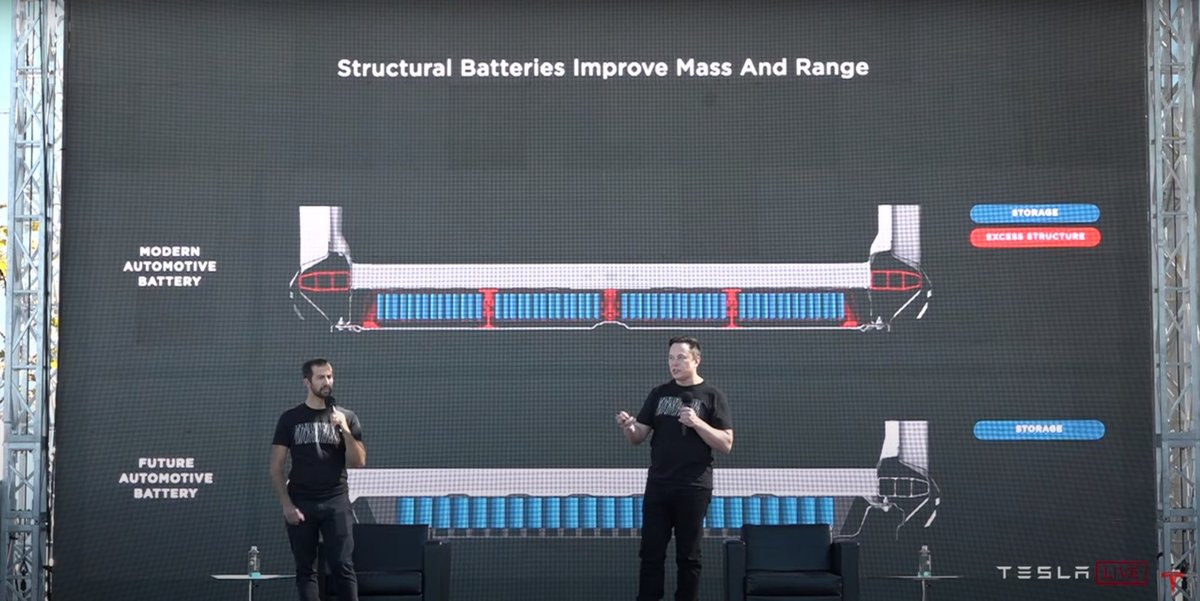
Structural pack integration benefits significantly from the mechanical uniformity of dry-coated cells, which exhibit superior structural resistance to localized deformation. Official company disclosures emphasize that tabless cell architecture paired with dry electrode chemistry significantly reduces internal impedance. Lower internal resistance minimizes heat generation under peak power demand, enabling consistent performance during towing or high-speed driving scenarios.
Field metrics collected across test fleets confirm superior capacity retention over extended mileage cycles compared to previous cell iterations. Engineering data demonstrates less than five percent degradation after 100,000 miles of real-world driving, setting a new benchmark for long-term battery health. Enhanced chemical stability inherent to the dry binder system protects active materials from micro-cracking and parasitic side reactions.
Industry Benchmarks and Competitive Landscape
Achieving high yields in dry electrode manufacturing positions the automaker far ahead of rival battery manufacturers who continue to struggle with pilot-scale operations. Industry analysts highlight that competitors rely heavily on third-party suppliers for conventional wet-coated cells, exposing them to higher cost structures and supply chain vulnerabilities. The technological gap presents a formidable competitive moat as global EV adoption accelerates.
Furthermore, the environmental profile of dry electrode production aligns seamlessly with tightening international sustainability mandates and strict carbon accounting rules. Regulatory filings confirm that eliminating toxic solvents reduces factory emissions to near-zero levels during the critical cell preparation phase. This remarkably clean manufacturing profile simplifies environmental permitting procedures, accelerating rapid factory expansion into key international automotive markets.
Looking ahead, full-scale implementation across all vehicle lines is projected to set a standard that forces a broader transformation across the entire automotive sector. Industry analysts anticipate that global suppliers will accelerate licensing negotiations or proprietary research to narrow the efficiency gap. However, early scale advantages guarantee a multi-year lead in battery manufacturing economics and vehicle production volume.
