
Tesla Unveils Rare Earth Free EV Motor For Cybercab
A Strategic Breakthrough in Electric Powertrain Design
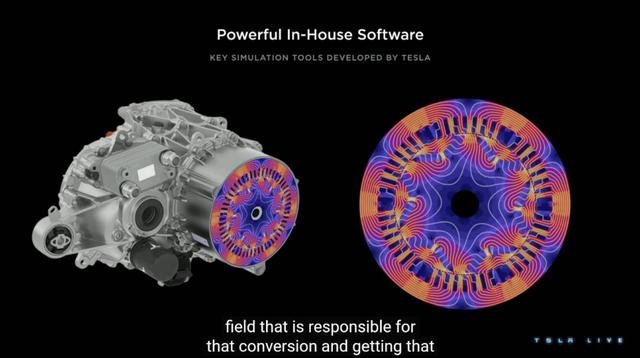
Alongside the recent showcase of its autonomous Cybercab vehicle, electric vehicle pioneer Tesla introduced a redesigned powertrain unit engineered without rare-earth materials. The newly revealed drive unit reportedly delivers significant enhancements in performance density and thermal management over previous generations. Engineers demonstrated a compact drive assembly optimized for high-density power delivery within next-generation vehicle platforms.
Official technical disclosures indicate that the updated drive unit is 18 percent smaller and 25 percent lighter than top-performing existing motors. Executive comments made after the event confirmed that the motor operates entirely without rare-earth metals. This announcement represents the potential fulfillment of strategic engineering targets set forth by the automaker during investor presentation briefings last year.
While the immediate focus remains on autonomous mobility, reducing motor volume and weight yields structural advantages for overall chassis integration. Smaller drive units free up internal space for structural battery packaging and occupant cabin ergonomics. Consequently, this engineering milestone provides a blueprint for scalable vehicle designs aimed at mass production across global assembly plants.
Demystifying Rare Earth Metals in the Automotive Sector
To evaluate this technical achievement, it is essential to understand the true nature of rare-earth elements within automotive manufacturing. On the periodic table, rare earths comprise lanthanides alongside scandium and yttrium. Despite their intimidating designation, elements such as neodymium are relatively abundant in the Earth's crust, existing in quantities roughly two-thirds as common as copper deposits.
A widespread misconception suggests that rare-earth materials are concentrated inside lithium-ion battery packs. In reality, modern battery chemistry relies on elements like lithium, nickel, cobalt, and manganese. Rare earths are utilized primarily within physical permanent magnets housed inside electric drive motors. Additives like dysprosium, terbium, and praseodymium are frequently blended with neodymium to preserve magnetic stability under extreme operating temperatures.
An individual electric vehicle motor generally contains only about one kilogram of rare-earth material. While this amount appears modest for a single automobile, scaling production to tens of millions of electric vehicles creates immense material demand. Consequently, supply chain managers continuously pressure engineering teams to reduce or eliminate reliance on critical raw materials prone to price volatility and supply constraints.
The Shift from Induction to Permanent Magnet Motors
The technological evolution of electric drive systems has cycled through distinct architectural phases. Early electric vehicles relied heavily on AC induction motors, which generate internal magnetic fields entirely through alternating electrical currents rather than physical permanent magnets. This initial design path completely bypassed rare-earth supply chains, honoring the historical electrical principles pioneered by Nikola Tesla over a century ago.
As EV development progressed, automakers prioritized maximum efficiency and range extended from smaller battery capacities. The launch of mass-market sedans introduced permanent-magnet switching reluctance motors into mainstream assembly. These motors offered superior power density and lower energy consumption during stop-and-go driving conditions, prompting automakers to standardize permanent-magnet drive units across their entire vehicle lineups.
The primary hurdle in modern powertrain design lies in matching permanent-magnet efficiency while removing costly rare-earth inputs. Standard induction motors remain less energy-efficient under specific load conditions, whereas standard permanent magnets depend heavily on restricted materials. Engineering teams have spent years developing hybrid magnetic materials capable of sustaining high flux density without suffering severe demagnetization at operational temperatures.
Technical Pathways to Rare-Earth-Free Magnets
Replacing traditional neodymium magnets requires alternative material science solutions. Industry filings suggest that automakers have explored advanced ferrite compounds, iron-based alloys, and tailored aluminum-nickel-cobalt matrixes. While ferrite magnets offer abundance and low production costs, their lower magnetic strength historically demanded larger, heavier motor housing structures to output equivalent horsepower and torque.
Achieving a drive unit that is simultaneously smaller, lighter, and free of rare earths suggests significant metallurgical breakthroughs. Advanced manufacturing processes allow engineers to optimize magnetic geometry and stator windings to compensate for lower material magnetic density. If these performance claims hold true in high-volume testing, the design resolves long-standing trade-offs between physical weight and energy efficiency.
Because corporate communications regarding exact chemical compositions remain undisclosed, independent tear-downs will ultimately be required to verify the motor architecture. Proprietary manufacturing techniques and material ratios remain closely guarded industrial trade secrets. Nonetheless, early technical evaluations indicate that the unit relies on innovative magnetics rather than a return to legacy induction motor configurations.
Industry Implications and Future Fleet Integration
Eliminating rare earths from electric motors addresses major strategic and environmental challenges. Rare-earth mining and refining processes are heavily centralized in specific geographic regions, exposing global vehicle manufacturers to geopolitical bottlenecks and fluctuating commodity prices. Developing high-performance, rare-earth-free motors significantly insulates production lines from external supply disruptions and lowers overall manufacturing expenses.
While currently integrated into the Cybercab prototype, history indicates that new drive technology quickly propagates across broader vehicle portfolios. Similar to how permanent-magnet architecture spread from mid-size sedans to luxury crossovers, this refined drive unit will likely transition into high-volume consumer models. Such cross-model migration amplifies cost savings across millions of mass-produced electric vehicles worldwide.
Ultimately, Tesla's latest motor development represents an incremental yet impactful evolution in automotive engineering rather than an overnight revolution. By optimizing magnetic chemistry and reducing drive unit mass, automakers can build lower-cost, highly efficient electric fleets. As competing manufacturers race to adopt similar material innovations, the broader automotive industry moves closer to sustainable, supply-resilient electric mobility.
