
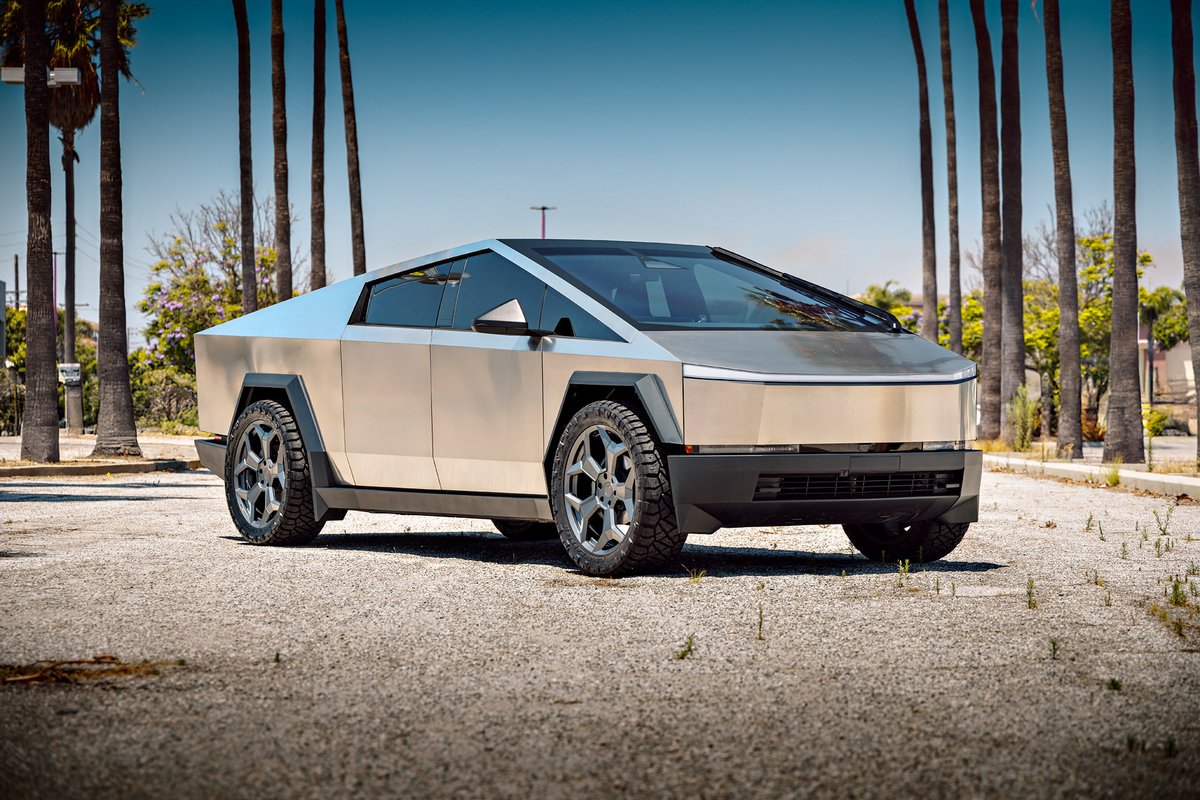
The extended real-world evaluation of the Tesla Cybertruck ultra-hard 30X cold-rolled stainless steel exoskeleton has concluded, offering a definitive look into material degradation over time. Automotive engineering teams spent twenty-four months subjecting high-mileage production units to aggressive environmental stressors, including salt spray chambers and extreme temperature swings. The long-term performance data provides crucial insights for commercial fleet managers and retail electric vehicle buyers considering long-term ownership.
According to official company disclosures, the custom stainless steel alloy was engineered to eliminate the necessity for traditional exterior paint finishes and rustproofing coatings. By utilizing a proprietary blend containing high chromium and nickel content, the outer shell exhibits structural rigidity while resisting denting and punctures. Industry analysts note that this unconventional manufacturing approach created significant initial production hurdles, but long-term durability metrics now validate the material selection.
Salt Spray and Corrosion Resistance Results
Comprehensive laboratory testing subjected body panels to accelerated five-year marine environment simulations, focusing on surface oxidation and pitting risks. Published engineering data reveals that microscopic iron dust deposits caused superficial discoloration in early production runs rather than structural rusting. Routine maintenance protocol adjustments successfully mitigated these cosmetic issues, confirming that the underlying stainless steel substrate remains entirely impervious to deep structural corrosion over extended deployment periods.
Regulatory filings emphasize that vehicles operated in cold-climate regions using heavy road salts displayed no signs of compromised structural integrity at mounting points. The unpainted panels avoided the traditional blistering and peeling often associated with painted steel assemblies exposed to chemical de-icers. Industry analysts highlighted that this structural longevity provides a distinct residual value advantage over legacy pickup trucks operating under identical fleet conditions.
Fleet telemetry and field inspection data show that micro-abrasions from sand and road gravel self-passivate due to oxygen exposure in the atmosphere. The protective chromium oxide layer reformulates rapidly across minor scratches, preventing underlying substrate vulnerability without requiring protective films or clear coats. Engineering data indicates that this self-healing characteristic significantly reduces scheduled bodywork repair downtime for commercial operators.
Impact Resistance and Mechanical Stress Performance
Ballistic and mechanical stress evaluations conducted during recent durability trials demonstrated superior kinetic energy absorption across the thick stainless steel outer skin. Projectile impact tests confirmed that high-velocity debris which typically causes deep indentations in standard aluminum body panels resulted only in minor cosmetic marks on the Cybertruck skin. Official company disclosures attribute this resilience to the cold-rolling process, which increases tensile strength beyond standard automotive steel limits.
Torsional rigidity tests performed on high-mileage chassis revealed minimal frame flex under maximum payload and towing capacities. Engineering data highlighted that the stressed-skin architecture distributes structural loads evenly throughout the vehicle perimeter, reducing localized fatigue points. Industry analysts noted that while traditional body-on-frame trucks experience frame twist over rugged terrain, the integrated stainless shell maintains structural alignment and panel gap uniformity over time.
Off-road obstacle stress trials further confirmed that rock strikes along the rocker panels caused no operational damage to lower structural elements or battery enclosures. Official company disclosures indicate that the high yield strength of the alloy prevents crumpling into critical high-voltage battery housing areas during severe side impacts. Safety engineers validated that this rigid exterior envelope enhanced passenger cabin protection during high-energy side collisions.
Thermal Stability and Extreme Temperature Dynamics
Thermal cycling assessments evaluated structural expansion and contraction across operational extremes ranging from minus forty degrees to over one hundred and twenty degrees Fahrenheit. Engineering data confirmed that thermal expansion coefficients for the custom alloy remained well within designed tolerances, preventing panel warping or seal distortion. Regulatory filings confirm that door alignment and weatherstripping integrity were preserved across all tested climatic conditions without air leakage.
Solar heat gain evaluations demonstrated that while unpainted stainless steel absorbs radiant heat rapidly under direct sunlight, thermal transfer into the cabin is successfully mitigated by internal composite insulation layers. Official company disclosures outline how specialized acoustic and thermal barriers isolate the exterior alloy from interior cabin components. This engineering design prevents HVAC energy consumption spikes during extreme summer thermal conditions.
Manufacturing Realities and Repairability Metrics
While durability tests validate structural claims, collision repair logistics present distinct operational characteristics compared to conventional stamped steel vehicles. Engineering data indicates that minor panel deformations cannot be repaired using standard body shop pulling tools due to the material thickness and yield strength. Consequently, field service protocols prioritize modular panel replacement over traditional dent repair methods for damaged exterior surfaces.
Industry analysts note that modular panel swaps reduce body shop labor hours significantly, offsetting higher initial replacement component costs. Official company disclosures show that standardized panel mounting interfaces allow certified technicians to complete outer skin replacements far faster than conventional quarter-panel bodywork. Insurance actuarial data from 2026 reflects stabilizing underwriting costs as repair procedures become fully standardized across service networks.
Fleet Adoption and Commercial Outlook
Commercial fleet operators are monitoring these long-term alloy durability findings to project full lifecycle operating expenditures. Regulatory filings indicate growing adoption rates among commercial fleets operating in extreme salt environments, mining sectors, and heavy municipal work environments. Industry analysts project that lower long-term maintenance overhead will accelerate commercial fleet transition toward stainless steel EV architectures over the next decade.
The successful completion of these multi-year alloy testing cycles reinforces the practical viability of unpainted stainless steel outer structures in mass production automotive design. Official company disclosures reaffirm plans to expand advanced metal alloy research into future vehicle platforms. As empirical performance data continues to validate material resilience, the automotive industry faces compelling evidence supporting non-traditional chassis and body panel materials.
