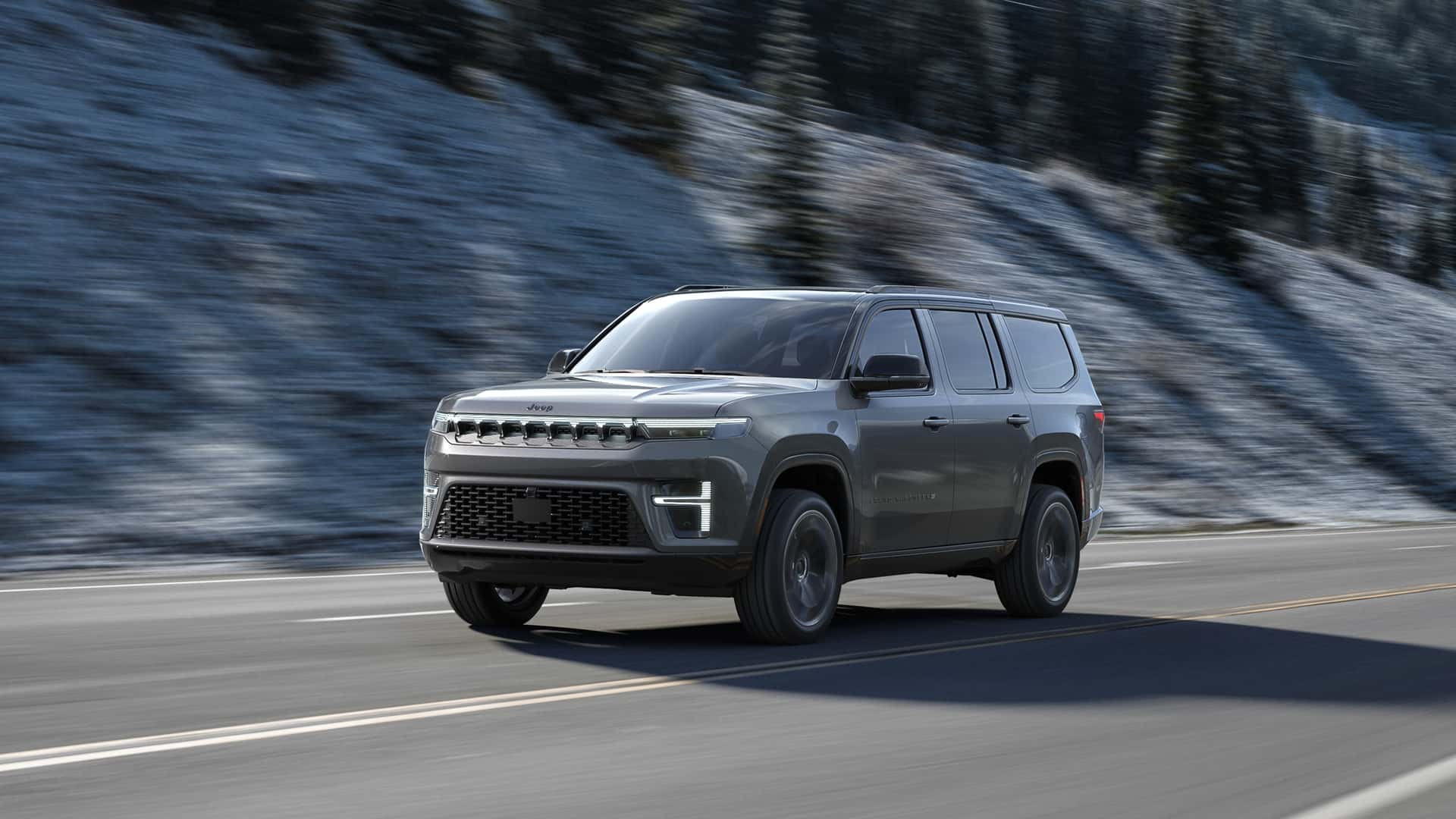
Jeep Wagoneer EREV Production Is Delayed By Six Months
Stellantis has adjusted its North American electrification timeline, pushing back the assembly start date for its highly anticipated Jeep Wagoneer extended-range electric vehicle (EREV). According to internal supplier memos, production of the full-size SUV is now scheduled to commence in November, reflecting a six-month shift from its original target of May. The move underscores the technical complexities involved in introducing novel powertrain architectures into large utility platforms.
The delay comes as auto manufacturers re-evaluate their transition strategies amid fluctuating market conditions and consumer adoption rates. While corporate representatives maintain that core vehicle development programs remain broadly aligned with corporate strategy, supply chain communications indicate that engineering teams are taking additional time to validate software, mechanical integration, and thermal management systems before initiating commercial vehicle production across North American assembly operations.
Suppliers engaged in the manufacturing program note that the timeline adjustment is intended to guarantee initial build quality. Integrating high-voltage battery modules with internal combustion onboard generators requires rigorous testing to prevent launch delays or post-launch technical issues. By extending pre-production validation windows, engineers aim to ensure seamless handoffs between electrical output, battery charging mechanisms, and dual electric drive motors.
Strategic Recalibration for Electrified Powertrains
The core mechanism behind the extended-range architecture represents a departure from traditional plug-in hybrid electric vehicles (PHEVs). Instead of relying on a mechanical link between the engine and the drive wheels, the powertrain utilizes twin electric drive modules powered primarily by a 400-volt high-capacity traction battery. An onboard V6 internal combustion engine functions strictly as a dedicated power generation plant when energy reserves fall below established thresholds.
This decoupled arrangement preserves the instant torque response and smooth acceleration characteristics typical of pure battery-electric vehicles while mitigating range anxiety during long-distance travels. Because the internal combustion generator operates within its optimal revolutions per minute, thermal efficiency remains high, offering significant fuel economy advantages while towing heavy loads or traversing demanding grade profiles where standard fully electric utility vehicles traditionally suffer severe range degradation.
The underlying platform strategy relies heavily on standardized modularity across large vehicle segments. A common architecture will serve both the luxury Jeep Wagoneer EREV and the upcoming Ram 1500 extended-range pickup truck. By standardizing component manufacturing, Stellantis aims to achieve scale economies while giving consumers high-performance utility options capable of handling rigorous work and long highway journeys without mandatory public charging stops.
How the V6 Generator Powertrain Architecture Works
Technical documentation indicates that the vehicle's electrical system manages energy distribution dynamically to maintain peak performance under diverse operating environments. Drivers experience standard battery-electric propulsion until energy levels reach critical thresholds, at which point the onboard V6 engine automatically ignites to turn a high-output electric generator. This generator feeds power directly into the battery pack or straight to the drive motors.
Because there is no physical mechanical connection between the gas engine and the axle assemblies, the driving dynamics remain identical regardless of whether power originates from stored electrical grid energy or the onboard combustion generator. This continuous electric drive feel provides immediate throttle responsiveness, low noise levels inside the cabin, and predictable vehicle handling characteristics across all driving conditions and payload requirements.
Stellantis Shifts Focus From Pure EVs to Range Extenders
The decision to prioritize EREV designs comes after adjustments to the company's broader full-electric truck programs. Last year, product planners elected to pivot resources away from pure battery-electric full-size pickup configurations in favor of series hybrid configurations. Industry analysts view this strategic pivot as a pragmatic response to consumer concerns regarding public charging infrastructure, cold-weather range loss, and high battery pack manufacturing costs.
The revised rollout timeline places the initial Jeep EREV production phase late this year, while related extended-range pickup offerings from sister brand Ram are now expected to follow into the subsequent production cycle. By pacing these rollouts sequentially, factory engineers can apply lessons learned from initial SUV manufacturing runs to high-volume commercial pickup production lines, optimizing supply chains and manufacturing yield quality.
The Growing North American Demand for EREV Vehicles
North America is witnessing a broader industry trend toward extended-range electric vehicles as automakers seek bridging technologies for buyers hesitant to adopt fully electric transport. Early deployment of EREVs in Asian markets has demonstrated strong consumer appetite for large luxury SUVs that eliminate charging logistics on longer road trips. Premium vehicle buyers in particular value the capability to drive short daily distances on electricity alone while retaining gas refueling speed.
Competitor automakers across the automotive landscape are taking note of this shift in driver preferences. Startup truck manufacturers and legacy domestic Detroit brands are increasingly incorporating EREV powertrain options into upcoming product roadmaps. High reservation numbers for newly announced extended-range off-road utility vehicles further confirm that buyers favor onboard generation options over purely battery-powered heavy-duty platforms, particularly in remote regions.
Managing Industry Transitions and Market Realities
As domestic vehicle markets adjust to shifting regulatory policies and evolving consumer demands, the extended-range framework provides strategic flexibility for legacy vehicle manufacturers. Auto executives recognize that forcing rapid adoption of pure electric vehicles without supportive infrastructure creates market friction. Providing consumers with gas-backed electric options enables gradual decarbonization without compromising operational capability or utility during severe weather events.
Ultimately, the six-month production adjustment for the Jeep Wagoneer EREV reflects a cautious approach to launching complex hybrid architectures in premium market segments. By refining calibration parameters, optimizing supplier logistics, and validating energy management software prior to mass production, Stellantis aims to deliver a refined product that meets high reliability standards while establishing a competitive foothold in the emerging extended-range electric segment.