
Next-Generation Battery Architecture Shift
The commercial transportation sector is witnessing a decisive transformation as Class 8 electric semi trucks enter a high-stakes range showdown in 2026. Major original equipment manufacturers and ambitious EV startups are pushing battery-electric heavy haulers into long-distance corridors once dominated exclusively by diesel powertrains. Recent engineering data indicates that advanced energy density and aerodynamic refinements are finally allowing fully laden rigs to surpass previous operational boundaries.
Central to this technological leap is the adoption of high-voltage cell architectures operating between 800 and 1,000 volts. According to official company disclosures, manufacturers are integrating custom cell chemistries, including silicon-anode lithium-ion and optimized lithium iron phosphate blends, to maximize volumetric energy storage without incurring severe weight penalties. These structural pack designs reduce parasitic mass while delivering structural rigidity to the heavy-duty chassis during rigorous interstate operation.
Tare weight management remains the most critical engineering variable determining cargo payload capability and total continuous range. Engineering data highlights that integrated e-axles, which combine motors, inverters, and transmissions into a single compact housing, have successfully eliminated hundreds of pounds of mechanical driveshaft assemblies. By streamlining the drivetrain, freight operators are able to retain valuable payload capacity while housing battery packs exceeding 600 kilowatt-hours.
Real-World Range Benchmarks and Efficiency
In real-world evaluation tracks, Class 8 haulers undergo testing at a maximum gross combined weight rating of 82,000 pounds. Regulatory filings reveal that long-range configurations are now comfortably achieving between 350 and 500 miles on a single charge under highway conditions. Industry analysts note that efficiency figures have settled between 1.6 and 2.1 kilowatt-hours per mile, representing a marked improvement over early prototype iterations.
European legacy truck manufacturers are matching North American innovators by showcasing robust regional and long-distance semi variants. Official company disclosures indicate that production models equipped with battery capacity approaching 600 kilowatt-hours demonstrate consistent performance across varying ambient temperatures and topographies. Integrated thermal management circuits actively maintain optimal battery operating windows, neutralizing the range degradation historically associated with extreme cold weather.
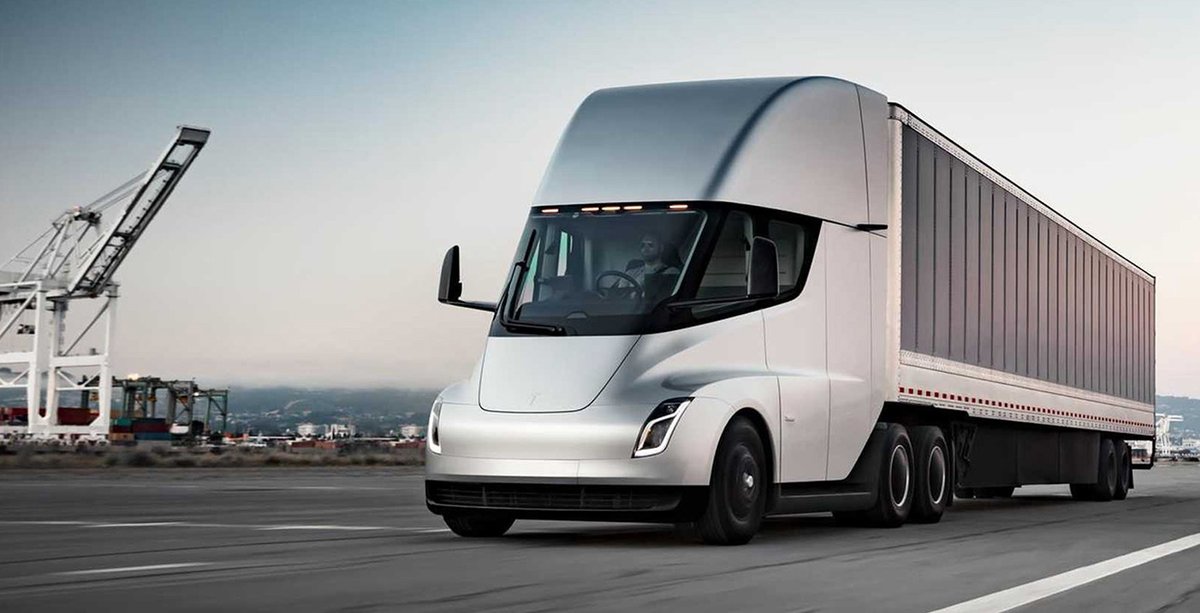
Emerging players are simultaneously accelerating competition by introducing low-drag cab designs and ultra-efficient silicon carbide inverters. Engineering data suggests these aerodynamic profiles cut the overall coefficient of drag by up to thirty percent compared to conventional sleeper cabs. Consequently, these aerodynamic gains directly extend total driving range during high-speed interstate transit, allowing fleets to cover longer stretches between mandatory driver rest periods.
Megawatt Charging Infrastructure Realities
While vehicle range is crucial, the viability of Class 8 electric trucking ultimately hinges on rapid charging capabilities. Regulatory filings reveal widespread adoption of the Megawatt Charging System standard, capable of delivering up to 1.2 megawatts of direct current power. Industry analysts emphasize that this high-power charging infrastructure allows commercial drivers to replenish eighty percent of their battery capacity during standard thirty-minute break intervals.
Deploying megawatt-scale charging stations presents substantial electrical grid challenges for freight hubs and highway charging plazas. Official company disclosures indicate that logistics providers are increasingly pairing high-capacity chargers with localized battery energy storage systems and stationary microgrids. Engineering data shows that these battery buffers absorb peak grid demand, ensuring consistent fast-charging speeds even when multiple Class 8 semi trucks plug in simultaneously.
The synchronization of mandatory driver rest hours with megawatt charging schedules is radically altering operational scheduling for freight carriers. Industry analysts observe that route optimization software now dynamically calculates charging stops based on real-time grid pricing, vehicle state of charge, and traffic density. This algorithmic approach minimizes idle time and ensures that electric fleets achieve maximum operational utilization across multi-state shipping lanes.
Total Cost of Ownership and Economics
While the initial acquisition cost of an electric Class 8 tractor remains higher than its internal combustion counterpart, overall operating economics are shifting favorably. Official company disclosures point to maintenance savings of up to forty percent due to fewer moving parts, reduced brake wear from regenerative braking, and liquid cooling systems. Over a typical vehicle lifecycle, these operational efficiencies offset upfront capital investments.
Battery longevity and pack degradation rates have emerged as central metrics in long-term fleet financial modeling. Engineering data indicates that active thermal conditioning coupled with refined charging algorithms allows modern packs to retain over eighty percent of their original capacity after eight hundred thousand miles. Consequently, commercial transport operators can maintain long-range dispatching duties for several years before converting aging tractors to shorter regional distribution routes.
Financing models are evolving alongside fleet electrification, with battery leasing structures gaining traction among mid-sized carriers. Industry analysts note that separating the battery asset from the vehicle chassis lowers initial purchase barriers and transfers technical degradation risks back to original equipment manufacturers. This structured leasing approach provides predictable monthly operating expenses, stabilizing cash flow while accelerating broad commercial fleet adoption across major freight corridors.
Regulatory Mandates and Fleet Delivery Targets
Accelerating regulatory pressure is forcing fleet operators to transition away from internal combustion engines far faster than past technology cycles. Regulatory filings show that increasingly stringent zero-emission mandates across key economic regions are penalizing logistics firms that fail to meet strict fleet electrification thresholds. Fleet managers are consequently placing firm orders for long-range Class 8 trucks to secure delivery slots ahead of upcoming compliance deadlines.
The 2026 Class 8 electric semi truck range showdown marks a pivotal turning point for commercial freight logistics. Industry analysts project that as charging networks expand and battery energy densities improve, electric heavy haulers will capture an unprecedented share of regional and long-haul transport routes. Transport operators that embrace this technology early are positioning themselves to gain significant operational and environmental advantages in a rapidly decarbonizing global market.
