
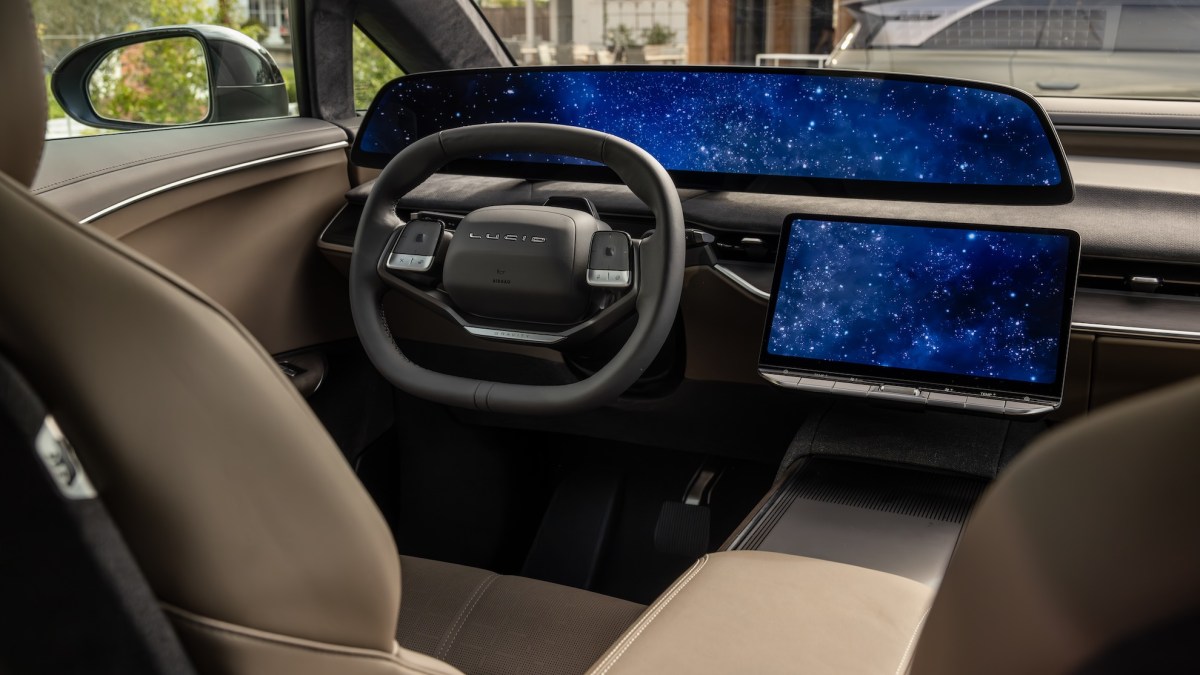
Lucid Partners With Bolt to Supply European Robotaxis
Expanding Autonomous Mobility Across the European Continent
California-based electric vehicle manufacturer Lucid Motors has forged a strategic partnership with European ride-hailing and mobility operator Bolt. The joint enterprise aims to introduce thousands of driverless taxis across European cities over the coming decade. Official announcements reveal that the collaboration will focus on co-developing autonomous vehicles tailored specifically to navigate complex urban transit environments throughout the European continent.
Under the preliminary agreement, Bolt plans to deploy at least 25,000 fully autonomous vehicles built upon Lucid's upcoming vehicle architecture. This collaboration marks a major push for both companies into commercial driverless services. It gives Lucid a direct pathway into commercial ride-hailing while expanding Bolt’s fleet options beyond traditional human-driven rides across its expansive European operational footprint.
The partnership focuses heavily on localized operational needs. Integrating autonomous passenger vehicles into Europe requires navigating distinct street layouts, dense pedestrian zones, and diverse municipal regulatory frameworks. By aligning during early vehicle design stages, both companies aim to optimize hardware placement, sensor cleanability, and interior ergonomics specifically intended for heavy-duty commercial sharing services.
Leveraging a Next-Generation Mid-Size Platform
Rather than utilizing its current luxury sedan or SUV lineups, Lucid will base these autonomous units on its upcoming mid-size electric vehicle architecture. Industry filings indicate this new modular vehicle foundation is engineered to be smaller and substantially more affordable than the brand's premium offerings, making it far better suited for high-density, multi-passenger robotaxi operations.
Utilizing a cost-optimized platform is essential for achieving scalable economics in on-demand transit. Lower production costs allow fleet operators to lower per-mile consumer rates while maintaining profitability. Lucid's mid-size platform represents a pivotal shift for the company, transforming its reputation from a low-volume luxury automaker into a manufacturer capable of supporting high-volume, enterprise-grade commercial operations.
Corporate Restructuring and Strategic Shift Toward High-Margin Services
The strategic agreement comes on the heels of major structural shifts within Lucid Motors under chief executive Silvio Napoli. Recent corporate filings highlight an extensive restructuring initiative that included laying off nearly 20 percent of the company's total workforce. Furthermore, the commercial debut of vehicles built on the mid-size platform was officially delayed until the second half of 2027.
Despite development delays, leadership remains steadfast in pursuing driverless fleet integration. Napoli has emphasized that operating as an autonomous vehicle provider promises profit margins that vastly outperform traditional direct-to-consumer automotive sales models. Transitioning toward enterprise mobility offers recurring revenue streams through software services, hardware supply contracts, and continuous fleet support over prolonged vehicle operational lifespans.
This European initiative builds upon Lucid’s existing autonomous development efforts in North America. The vehicle manufacturer has spent the past year collaborating with ride-hailing platform Uber and autonomous technology specialist Nuro. That separate domestic project aims to launch a driverless variant of Lucid’s Gravity SUV, with commercial testing scheduled to commence before the end of 2026.
Technical Architecture and Unresolved Software Integration
Technical disclosures confirm that the planned European fleet will utilize Nvidia's Hyperion autonomous vehicle compute and sensor platform. Hyperion provides the raw computing power, radar, cameras, and lidar integration necessary to handle full self-driving tasks. By standardizing on established hardware architecture, the engineering teams ensure high-bandwidth processing capacity capable of real-time environmental analysis.
Despite hardware details being confirmed, neither company has identified which entity will supply the core autonomous driving software stack. While Nvidia provides hardware architecture, full self-driving algorithms must be thoroughly integrated and validated for local traffic compliance. Lucid declined to provide additional specifics beyond initial statements, leaving software platform choices open for future operational announcements.
Bolt intends to fully own and manage the operational fleet across its service territories. Both firms are collaborating from early product development stages to engineer an autonomous driving system-ready vehicle chassis. This co-engineering process ensures seamless hardware integration, robust redundancy systems, and tailored vehicle control interfaces designed specifically for remote fleet management protocols.
Long-Term Vision for Scale in Autonomous Transport
Financial disclosures indicate that no capital has changed hands thus far, nor has Bolt placed a binding purchase order for vehicles. The agreement currently represents a shared strategic commitment rather than a firm delivery contract. Consequently, deployment timelines remain flexible and dependent upon vehicle development milestones and regional regulatory approvals across individual European markets.
For Bolt, this agreement represents a major step toward its target of operating 100,000 autonomous vehicles on its platform by 2035. Bolt leadership emphasized that scaling autonomous mobility across Europe requires unifying software, vehicle hardware, and operational data into a single cohesive system tailored to complex European regulations and local urban driving conditions across over 850 operating cities.
As global automotive manufacturers scramble to establish footholds in autonomous ride-hailing networks, strategic partnerships between vehicle builders and software operators are becoming vital. Lucid’s expansion into European robotaxi services signals a broader industry trend where electric vehicle startups look beyond individual consumer ownership to secure long-term revenue through commercial autonomous fleets.
