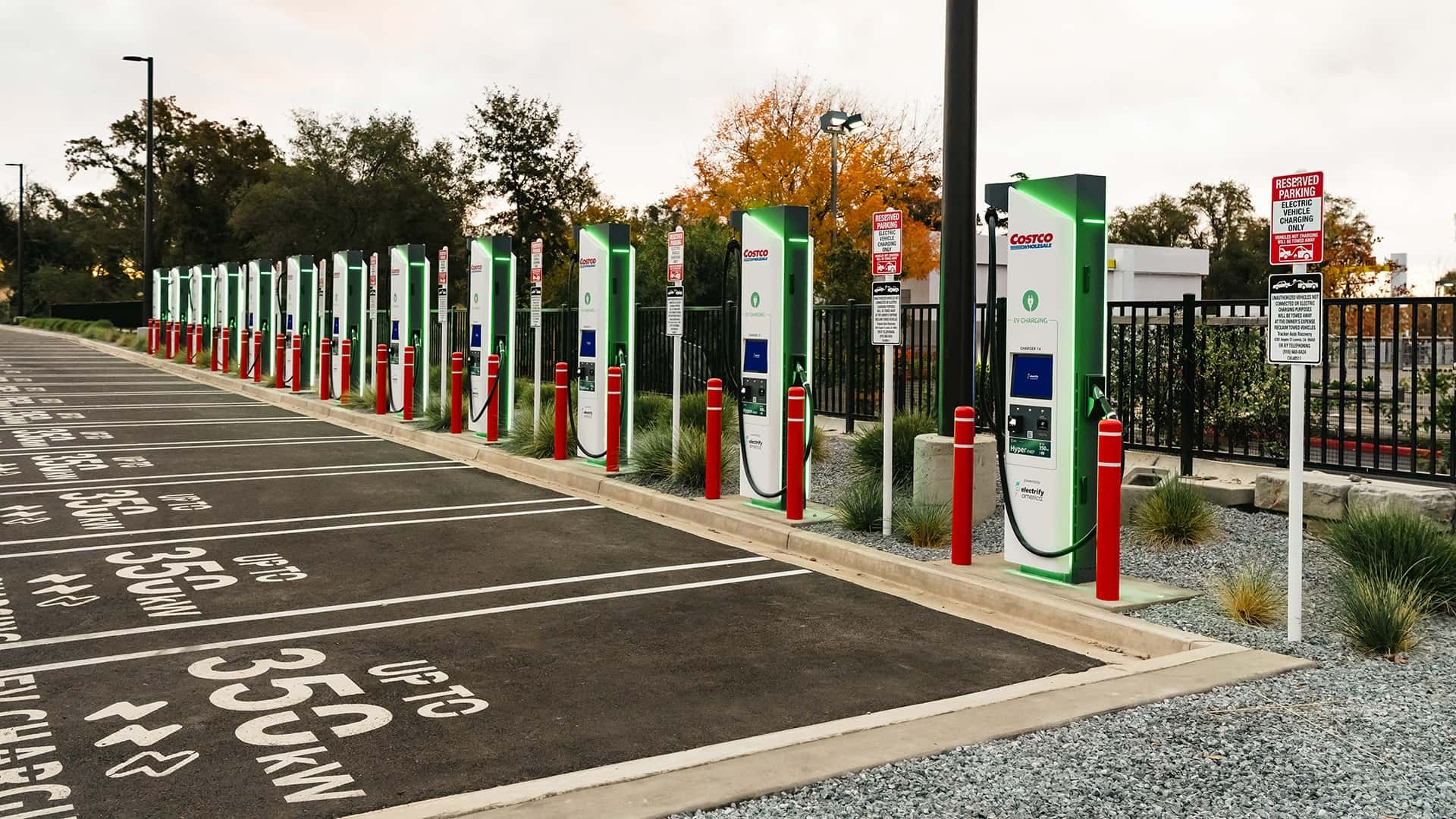
Why EV Charging Networks Need More Plugs Instead of Power
The Flaw in the Megawatt Race
Headlines in the electric vehicle sector frequently highlight eye-watering charging speeds, boasting megawatt architectures and sub-ten-minute top-ups. However, behind the glossy public relations campaigns lies a stark financial reality for network operators. Installing massive ultra-fast charging hardware requires immense capital expenditure, yet raw kilowatt numbers rarely translate directly into long-term commercial sustainability or customer satisfaction.
For network operators, achieving a reliable return on investment has proven notoriously difficult during the early adoption phase of electric mobility. Grid connection fees, expensive power cabinets, and localized transformer upgrades rapidly inflate initial build costs. As a result, charging companies are now reassessing their expansion strategies, looking closely at network telemetry to determine what actually drives customer volume and recurring revenue.
Recent analysis published in comprehensive infrastructure white papers suggests the industry may be measuring success by the wrong metric. Telemetry data gathered from thousands of active North American chargers reveals that total plug availability dictates site success far more than peak power ratings. Rather than racing toward ever-higher wattage, successful operators are finding that expanding stall counts yields dramatically better utilization rates.
Plug Density Drives Real Station Utilization
Data extracted from real-world network analytics demonstrates a clear correlation between stall count and driver engagement. Sites featuring just two charging plugs typically experience low utilization rates hovering around two percent. However, expanding a location to eight plugs pushes site utilization close to ten percent, demonstrating that drivers actively seek out locations where they are guaranteed an open stall without long queues.
Conversely, simply boosting the power output of a small location does surprisingly little to increase usage metrics. Increasing a station's total capacity from 100 kilowatts to 400 kilowatts only moves utilization from roughly three percent to just over five percent. In contrast, an eight-plug configuration delivers three times the utilization of a smaller station equipped with high-powered individual stalls.
This utilization surge translates directly into significantly higher total energy delivery and revenue generation for the site host. According to recent infrastructure filings, eight-plug charging stations deliver an average of 128,342 kilowatt-hours of energy per period. That represents more than double the 61,453 kilowatt-hours dispensed by typical four-plug locations, proving that availability drives total throughput far more effectively than isolated power spikes.
The Reality of Electric Vehicle Charging Curves
The divergence between peak power and actual utilization stems largely from how modern electric vehicles draw power. While automotive manufacturers routinely advertise maximum charging rates exceeding 300 kilowatts, vehicles only sustain these speeds under ideal battery temperatures and at very low states of charge. Once the battery passes twenty or thirty percent, the vehicle’s battery management software automatically tapers the incoming current.
During a typical charging session from ten to eighty percent state of charge, most consumer electric vehicles average between 100 kW and 150 kW. Consequently, providing ultra-high peak power to every single plug often results in expensive electrical capacity sitting completely underutilized. The hardware stands ready to supply massive power, but the connected vehicles simply cannot accept it for more than a few brief minutes.
Industry disclosures indicate that providing roughly 100 kilowatts of available capacity per active connector represents the economic sweet spot for station operators. When all stalls are occupied, allocating 100 kW to each vehicle matches real-world vehicle acceptance rates while preventing operators from over-provisioning expensive electrical equipment that adds capital costs without generating additional revenue from dispensed electricity.
Dynamic Power Allocation and Grid Efficiency
To maximize efficiency, leading charging hardware manufacturers, such as Kempower, are shifting toward dynamic power sharing architectures. Rather than assigning a fixed, massive power block to an individual dispenser, modular systems dynamically allocate energy from a centralized power cabinet based on real-time vehicle demand. If one vehicle tapers its charge rate, surplus power instantly redirects to adjacent stalls where it can be used effectively.
This distributed approach allows site hosts to install more physical stalls without needing a proportional increase in grid connection capacity. Operators can deploy eight or twelve plugs backed by a moderate power cabinet, relying on intelligent software to distribute kilowatts smoothly among users. This strategy drastically lowers upfront utility interconnection expenses while maintaining smooth customer throughput.
Furthermore, modular infrastructure provides network operators with a seamless upgrade path as driver demand scales. Sites can be energized initially with lower total capacity across multiple stalls, allowing operators to gather local usage data before investing in costly transformer upgrades. This flexibility avoids the financial trap of deploying over-engineered, multi-megawatt stations in locations with lower initial traffic volume.
The Path to Profitable Infrastructure
From a consumer perspective, charging station reliability and plug availability consistently rank higher than maximum theoretical speed. Drivers facing range anxiety prefer stopping at larger locations where multiple open plugs reduce the risk of waiting behind other vehicles. By prioritizing stall count, operators reduce driver frustration while building a dependable commercial footprint that generates consistent daily revenue.
As global electric vehicle adoption accelerates, the underlying economics of charging infrastructure will dictate which networks thrive. The math clearly indicates that plug density, paired with smart dynamic power management, offers a far more viable financial foundation than chasing marketing headlines. Focusing on stall availability ensures charging networks can scale efficiently while maintaining reliable service for everyday drivers.