Federal Court Actions Revive National EV Fast Charging Plan
The nationwide expansion of electric vehicle charging infrastructure is entering a critical new phase following months of high-stakes legal wrangling and federal policy shifts. After federal efforts in early 2025 sought to freeze billions of dollars allocated for public fast-charging networks, a pushback from state transportation officials and legal challenges has successfully reopened the flow of federal infrastructure funding.
At the center of this battle is the National Electric Vehicle Infrastructure program, commonly known as NEVI. Created to build a seamless national network of high-speed chargers along major highways, the program faced an existential threat when new executive leadership directed federal transportation agencies to suspend funding releases, throwing state-level construction schedules into chaos across the country.
The Ambition Behind the Federal Charging Strategy
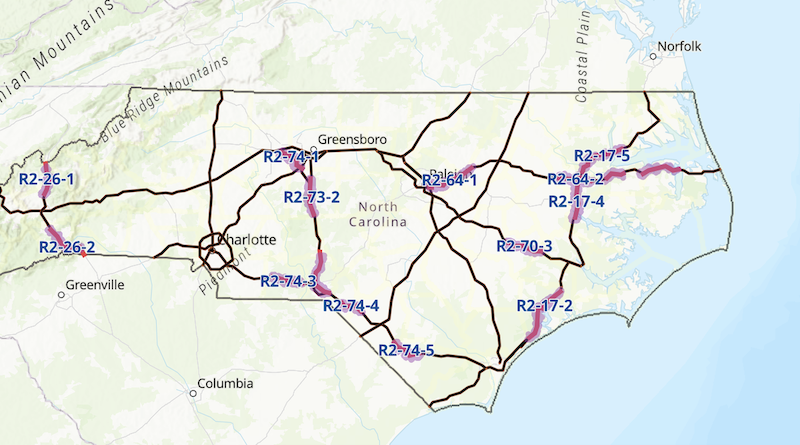
Established under the 2021 Bipartisan Infrastructure Law, the NEVI program represents a $5 billion commitment to modernize American highway travel. The program allocates formula funds directly to state departments of transportation, tasking them with designing and deploying fast-charging corridors. The primary objective is establishing high-power charging plazas at 50-mile intervals along designated alternative fuel corridors.
By targeting interstate highways and primary travel arteries, planners aimed to eliminate range anxiety, which remains one of the primary obstacles to widespread consumer electric vehicle adoption. The federal guidelines established strict performance metrics, requiring stations to feature at least four direct-current fast-charging ports capable of delivering high power output simultaneously to multiple vehicles.
Despite early administrative hurdles, state participation had reached a major milestone prior to the federal freeze. Regulatory disclosures revealed that all 50 states had submitted approved implementation plans, with several states already activating initial locations. By mid-2024, dozens of charging ports were fully operational, while more than 2,500 additional ports were moving through engineering and site acquisition pipelines.
Executive Directives and Immediate State Friction
The trajectory of the program shifted abruptly in January 2025, when executive directives aimed at curbing clean energy initiatives led the U.S. Department of Transportation to order a complete administrative suspension of NEVI fund disbursements. Federal officials justified the pause by pointing to directives aimed at unwinding federal electric vehicle mandates and reassessing multi-billion-dollar infrastructure spending priorities across federal programs.
The sudden freeze caused immediate friction with state agencies that were actively executing multi-year construction contracts. In Pennsylvania, state transportation officials celebrated the opening of multiple new NEVI-funded charging stations just weeks after the federal suspension directive was issued. State officials actively emphasized that the project deployments relied on previously authorized Congressional appropriations to ensure long-distance highway coverage.
While some state administrations temporarily halted procurement processes in response to the federal freeze, others reported significant operational confusion. Private site hosts, utility companies, and hardware vendors faced financial uncertainty as signed contracts were paused mid-stream. The disruption threatened to stall private sector co-investments designed to match the federal matching funds provided under the original legislation.
Legal Action and Constitutional Arguments
The administrative freeze triggered a swift judicial response. In August 2025, a coalition of state attorneys general filed a comprehensive lawsuit in federal court against key federal officials, including the Secretary of Transportation and the Administrator of the Federal Highway Administration. The legal challenge sought an immediate declaration that the funding freeze was illegal and unconstitutional.
Court filings submitted by the plaintiff states argued that the executive branch lacked the authority to unilaterally withhold funds explicitly appropriated by Congress. The suit alleged violations of the Administrative Procedure Act and highlighted the President's constitutional obligation under the Take Care Clause to ensure that enacted statutes are faithfully executed, regardless of political policy shifts.
Furthermore, the lawsuit addressed the rationale behind the suspension, noting that NEVI does not constitute a consumer vehicle mandate. Instead, state legal representatives argued, the program simply provides public funding to expand infrastructure choices for consumers, while supporting commercial logistics and regional economic growth along heavily traveled transport corridors nationwide.
Policy Pivot and Future Deployment Outlook
The legal pressure yielded rapid results. Just days after the multi-state lawsuit was formally entered into court records, the Department of Transportation issued updated administrative guidance. The revised framework effectively rolled back the broad funding freeze, establishing updated operational parameters that allowed state transportation departments to resume drawing down appropriated NEVI program funds.
The policy pivot paves the way for state transportation planners to restart stalled charging site developments. Industry filings indicate that state agencies are moving quickly to re-engage private development partners, finalize land lease agreements, and issue utility interconnection requests to get thousands of backlogged fast-charging ports back on track for physical installation.
The resolution provides crucial momentum for the broader electric vehicle market as public charging availability expands along key corridors. While political debates over federal energy policy will inevitably persist, the restoration of NEVI funding ensures that the planned national fast-charging grid will continue to take shape across urban and rural corridors over the coming years.
