
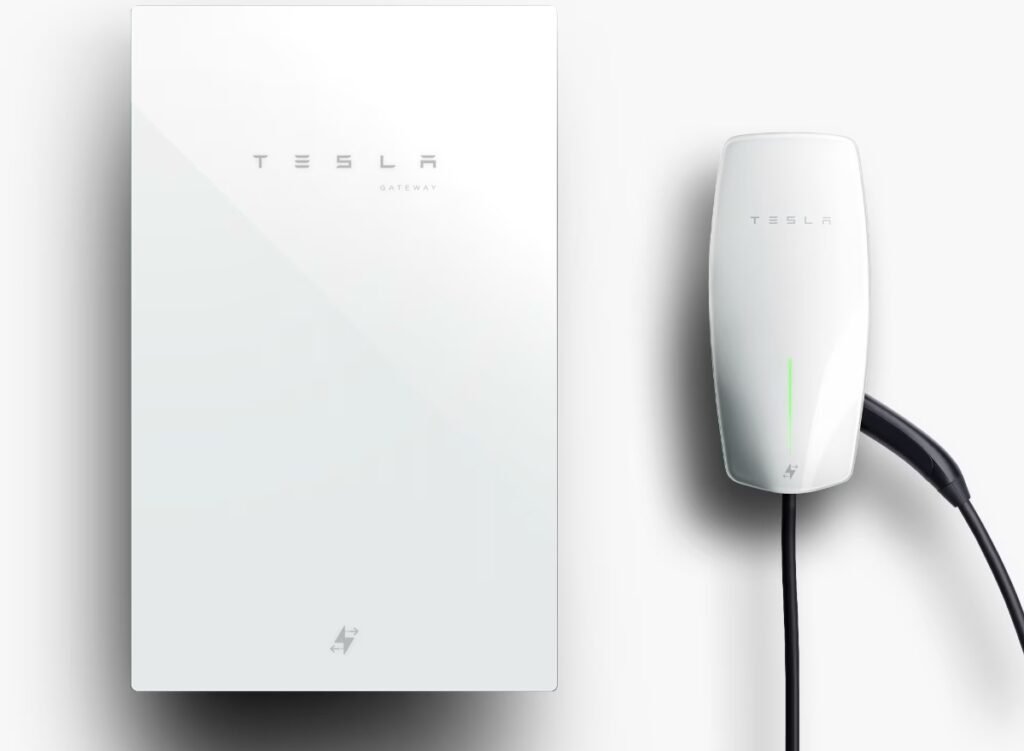
Tesla has officially launched its universal vehicle-to-grid bidirectional power protocol, transforming its electric fleet into a massive distributed energy storage system. Industry analysts report that this architecture enables fully integrated energy exchange between vehicles, homes, and public utilities across global markets. The breakthrough allows electric vehicles to stabilize municipal grids while offering homeowners seamless emergency backup capability during grid failures.
Engineering data indicates that all new production models come equipped with next-generation power electronics capable of handling high-capacity bidirectional direct current transfers. This hardware platform operates natively with residential energy storage units and utility interconnections without requiring expensive third-party power conversion hardware. Official company disclosures emphasize that this integration reduces hardware complexity while maintaining peak energy transmission efficiency across diverse environments.
Standardization and Hardware Integration
The standardized communication system establishes a direct digital bridge between the vehicle powertrain and localized grid nodes. Regulatory filings show that the protocol fully aligns with international inter-operability standards, ensuring seamless compatibility across North American, European, and Asian energy infrastructure. The automated software handshake manages active voltage regulation, phase synchronization, and instantaneous frequency response without requiring manual user intervention or complex configuration routines.
By leveraging silicon carbide power inverters, the onboard charger manages bidirectional energy flows up to eleven kilowatts continuous output. Engineering data confirms that thermal management protocols actively regulate battery pack temperatures during extended discharge cycles, protecting long-term electrochemical health. This efficiency ensures that domestic charging setups lose minimal energy during round-trip transfers, making household power arbitrage economically viable for everyday consumers.
Fleet integration software dynamically modulates power export rates based on real-time grid conditions and variable localized utility pricing structures. Official company disclosures highlight that vehicle owners can establish minimum state-of-charge thresholds to preserve daily driving range requirements. The underlying algorithms automatically optimize discharge schedules, allowing vehicles to supply energy back to the grid precisely during high-demand peak pricing hours.
Grid Stability and Virtual Power Plants
The widespread deployment of bidirectional charging capabilities vastly accelerates the scaling of virtual power plants worldwide. Industry analysts estimate that aggregating millions of connected electric vehicles creates gigawatts of fast-responding storage capacity capable of replacing aging fossil-fuel peaker plants. Utility providers can tap into this distributed resource during extreme weather events, preventing widespread blackouts and reducing overall energy production costs.
Grid operators across multiple regions have already begun certifying the platform for ancillary services, including primary frequency response and spinning reserves. Regulatory filings reveal that participating vehicle owners earn automatic financial credits on monthly utility bills for providing grid support services. This decentralized energy storage model creates a self-sustaining financial incentive that offsets vehicle ownership costs while strengthening public energy resilience.
Emergency backup functionality also allows homeowners to isolate their property from the main electrical grid during severe outages. Engineering data demonstrates that a fully charged electric vehicle battery can sustain standard residential power consumption for over three consecutive days. The system automatically detects grid disruptions within milliseconds, switching the home to vehicle-supplied power without dropping sensitive electronic equipment or home appliances.
Battery Longevity and Software Controls
Concerns surrounding accelerated battery degradation from frequent cycling are mitigated by sophisticated predictive software management systems. Official company disclosures explain that discharge cycles are limited to micro-buffer ranges that minimize physical strain on cathode structures. Furthermore, advanced diagnostic software constantly tracks internal cell resistance, temperature spikes, and chemical equilibrium to dynamically throttle discharge rates before degradation occurs.
Comprehensive warranty programs have been updated to explicitly cover bidirectional energy operations alongside standard driving mileage metrics. Industry analysts note that battery chemistry advancements, combined with intelligent load balancing, yield operational lifespans that far exceed previous vehicle generations. These guarantees give commercial fleet managers and private vehicle owners full financial protection while participating in utility-scale energy trading programs.
Financial Implications and Market Growth
The economic implications for the automotive and energy sectors are profound as vehicle electrification intersects with renewable energy storage. Industry analysts project that grid arbitrage and frequency regulation services will generate substantial high-margin recurring revenue streams for software platform operators. Simultaneously, utility companies benefit from deferred capital expenditures on traditional grid infrastructure upgrades and centralized energy storage facilities.
Competitive pressures are accelerating across the electric vehicle industry as legacy automakers rush to adopt compatible bidirectional standards. Engineering data confirms that open-source software interfaces allow third-party charging network operators to integrate the bidirectional protocol seamlessly. This broad industry adoption establishes a unified technological foundation, encouraging municipal planning departments to mandate bidirectional charger compatibility for new residential construction.
Regulatory Landscape and Future Outlook
Government regulators in major automotive markets are establishing streamlined permitting processes to expedite vehicle-to-grid interconnection approvals. Regulatory filings suggest that standardized grid interconnection codes will eliminate bureaucratic bottlenecks, permitting rapid installation of residential bidirectional wall connectors. Policy frameworks increasingly recognize mobile vehicle batteries as vital assets within regional emergency management and decarbonization strategies moving forward.
Looking ahead, the integration of artificial intelligence will further refine how bidirectional vehicle networks interact with dynamic energy markets. Official company disclosures project that machine learning models will soon anticipate localized power surges, weather disruptions, and personal driving schedules automatically. This continuous technical evolution ensures that bidirectional electric vehicles remain a central pillar of the global transition toward sustainable energy independence.
