
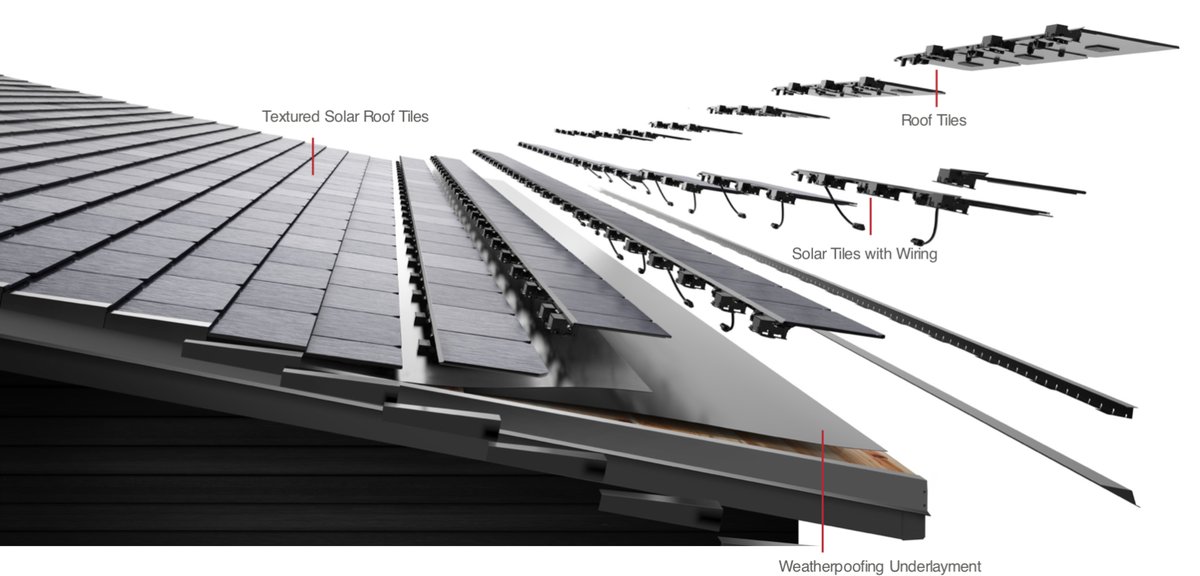
Tesla has officially initiated the enterprise rollout of its next-generation Solar Roof architecture, targeting large-scale commercial structures and multi-unit industrial hubs. According to official company disclosures, this updated platform incorporates advanced grid tie integration designed to interface directly with high-voltage utility networks. The technological breakthrough marks a significant transition from residential solar installations to utility-interactive commercial power ecosystems.
The primary driver behind this expansion centers on high-density photovoltaic tiles paired with industrial-grade string inverters and modular Megapack storage. Engineering data reveals that the commercial grid tie platform operates at elevated voltage thresholds, allowing facilities to feed excess solar generation back into local distribution lines with minimal transmission loss. This capability transforms expansive enterprise rooftops into active, decentralized power plants that support local electrical grids during peak demand.
Architectural Innovations and Grid Infrastructure
Integrating commercial building roofs into localized transmission networks requires specialized power electronics capable of managing massive bidirectional energy flows. Industry analysts emphasize that traditional commercial solar arrays often suffer from curtailment when local substations experience voltage congestion. The new grid tie control system dynamically balances load demand, enterprise energy consumption, and high-capacity battery storage to maintain precise frequency synchronization with local utility infrastructure.
Furthermore, regulatory filings demonstrate that the enterprise solar tiles utilize advanced thermal dissipation systems that preserve photovoltaic conversion efficiency under extreme operational temperatures. The commercial tiles incorporate proprietary glass composites engineered to withstand severe weather events while maintaining high optical transparency. Combined with solid-state switching mechanisms, the assembly guarantees sub-millisecond islanding protection during sudden distribution network outages, protecting utility workers during maintenance operations.
Engineering data confirms that the structural installation method has been completely overhauled for large commercial footprints. Instead of small, individual tile placements, commercial installations leverage pre-assembled photovoltaic mega-panels that interlock effortlessly across thousands of square meters. This streamlined deployment methodology drastically reduces labor overhead, enabling commercial properties to complete full roof retrofits within weeks rather than months, accelerating project commissioning timetables significantly.
Fleet Charging and Commercial Synergy
The timing of this commercial grid tie integration coincides directly with the growing adoption of commercial electric vehicle fleets across logistics hubs. Official company disclosures indicate that the commercial solar roof is engineered to interface directly with high-capacity megawatt charging infrastructure. By generating clean electricity on site and buffering energy within dedicated storage units, commercial fleet operators can recharge electric semi-trucks without overloading municipal transformers.
Industry analysts note that localized microgrids powered by commercial solar roofs offer unprecedented operational security for logistics and manufacturing enterprises. During broad blackout events, facilities equipped with grid-interactive solar roofs can seamlessly isolate from the primary grid while keeping essential operations active. The intelligent power management software optimizes energy allocation between fleet charging stations, indoor refrigeration, and secondary utility export based on real-time power pricing.
Moreover, energy software platforms enable aggregate commercial rooftop systems to operate as virtual power plants within regional energy markets. Regulatory filings disclose that participating commercial partners can automatically bid excess solar capacity into wholesale energy auctions. This automated dispatch capability allows enterprise building owners to monetize unused roof space continuously, turning massive corporate real estate holdings into predictable revenue-generating energy assets that stabilize regional power grids.
Regulatory Standards and Interconnection Protocols
Navigating utility interconnection mandates has historically presented a major obstacle for commercial solar projects across North America and Europe. Engineering data indicates that the integrated enterprise grid tie software natively supports IEEE 1547-2018 standards and advanced inverter controls. These compliance capabilities facilitate rapid utility interconnection approvals by ensuring automatic voltage control, reactive power support, and frequency response without requiring extensive custom engineering work for each site.
Regulatory filings also show that municipal energy authorities are increasingly favoring standardized commercial microgrid installations due to grid congestion concerns. By incorporating standardized digital telemetry and secure remote monitoring, distribution system operators gain total visibility over commercial solar generation outputs. This high-level transparency reduces grid instability risks, encouraging regional electrical utilities to approve large-scale grid connections rapidly and offer favorable feed-in tariffs for corporate clean energy generators.
In addition, the implementation of localized step-up transformers allows commercial facilities to bypass complex indoor electrical room overhauls. Official company disclosures emphasize that these modular external transformers accept direct direct-current outputs from solar strings and output standardized medium-voltage alternating current. Consequently, retrofitting legacy industrial distribution centers becomes far more cost-effective, allowing commercial tenants to install multi-megawatt systems with minimal interruption to everyday factory operations.
Market Economics and Projected Growth
Financial modeling based on industry analysts' projections suggests that enterprise solar roof installations achieve capital payback within five to seven years. Higher efficiency ratings, combined with reduced structural installation timelines, significantly lower the levelized cost of energy for commercial operators. Furthermore, long-term power purchase agreements tied directly to commercial grid outputs provide consistent cash flow, making building solar retrofits an attractive asset class for corporate real estate investment trusts.
Official company disclosures highlight expansion plans across key industrial zones in North America, Europe, and Asia-Pacific throughout 2026. Global manufacturing capacity dedicated to commercial-grade solar tiles has increased dramatically to meet growing enterprise pre-orders. As corporate sustainability mandates accelerate worldwide, the seamless integration of energy generation, battery storage, and commercial grid connectivity positions this hardware as a fundamental component of next-generation industrial design.
Grid Transformation and Future Outlook
Ultimately, the commercial grid tie capability establishes a blueprint for modern decentralized energy management. Engineering data confirms that widespread deployment of solar-integrated rooftops significantly lowers overall strain on aging transmission networks during extreme weather phenomena. By converting passive commercial structures into active distributed power nodes, energy grids gain resilience, lower carbon intensity, and enhanced stability, marking a decisive shift toward scalable industrial electrification in 2026 and beyond.
