
California's electrical grid faced unprecedented structural stress during the mid-2026 heatwave, prompting automated emergency responses from distributed energy storage systems across the state. Tesla's expanding Virtual Power Plant network successfully dispatched hundreds of megawatts back into the local distribution grid, preventing rolling blackouts during critical evening peak demand hours. Industry analysts report that decentralized residential battery arrays have now become vital assets for state energy security.
The operational success highlights a major evolution in how residential energy assets interface with wholesale energy markets. By aggregating thousands of individual Powerwall systems alongside bi-directional vehicle charging stations, Tesla created a dynamic decentralized power plant capable of instant dispatch. Official company disclosures indicate that the network activated automatically when wholesale electricity prices reached maximum regulatory caps, providing critical capacity without requiring fossil fuel peaker plant intervention.
Escalating Grid Stress and Aggregate Capacity
Grid operators experienced record-breaking ambient temperatures across the Central Valley and Southern California throughout July 2026, driving air conditioning demand to historic highs. The California Independent System Operator issued multiple flex alerts as traditional generation resources struggled to meet evening ramping requirements. Engineering data confirms that distributed battery reserves mitigated peak loads by supplying continuous discharge across high-congestion substations during the most vulnerable operational windows.
Recent regulatory filings reveal that Tesla's California network now encompasses more than one hundred thousand enrolled battery storage units. This massive residential footprint generates a total combined discharge capacity exceeding eight hundred megawatts for up to four consecutive hours. Industry analysts note that this aggregated output rivals the capacity of large conventional combined-cycle natural gas facilities, yet operates with zero localized carbon emissions.
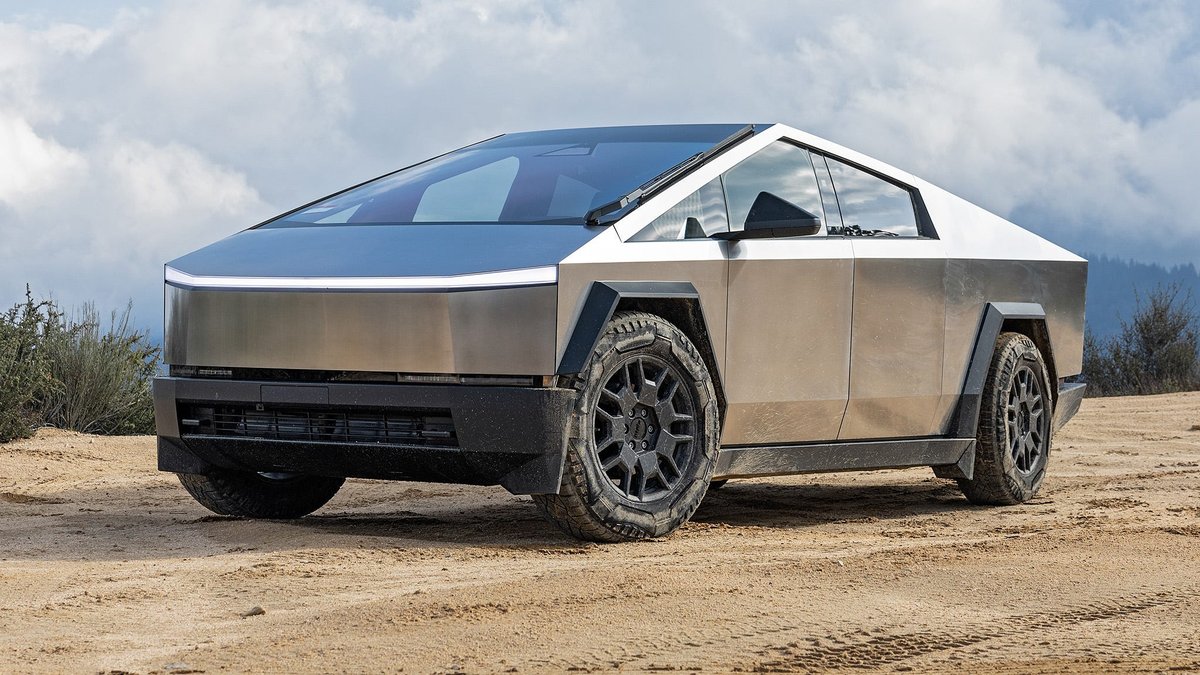
A significant contribution to the 2026 grid relief performance stemmed from the newly implemented integration of electric vehicle fleets. Utilizing standardized bi-directional chargers, participating Tesla vehicle owners permitted managed micro-dispatches from vehicle batteries while parked overnight. Engineering data demonstrates that these coordinated vehicle-to-grid transfers provided crucial localized voltage support without compromising vehicle readiness or accelerating battery degradation beyond baseline operating thresholds.
Regulatory Framework and Revenue Models
The expansion of California's virtual utility ecosystem follows updated market rules established by the California Public Utilities Commission. Revised tariff structures now allow aggregated residential energy resources to bid directly into wholesale day-ahead and real-time energy markets. Official company disclosures emphasize that transparent market access has dramatically reduced customer payback periods for home energy storage while providing utilities with affordable capacity.
Participating homeowners receive financial compensation based on the quantity of electrical energy exported during emergency response events. Automated software algorithms optimize discharge timing to maximize payouts while preserving sufficient household reserve power for unexpected localized outages. Regulatory filings show average annual earnings per participating customer increased by thirty percent in 2026 due to extreme pricing volatility during peak demand periods.
Major investor-owned utilities, including Pacific Gas and Electric and Southern California Edison, have formalized long-term capacity agreements with aggregated battery networks. These strategic contracts allow utility planners to defer expensive transmission line upgrades and avoid purchasing costly peak power contracts. Industry analysts indicate that utility rate-payers ultimately benefit from lower systemic infrastructure costs as virtual power plants replace expensive capital expenditures.
Technical Architecture and Response Speeds
Central to the system's performance is Tesla's proprietary Autobidder management platform, which processes real-time grid conditions using predictive artificial intelligence. The software continuously evaluates regional weather forecasts, market pricing signals, and battery state-of-charge metrics across the entire fleet. Engineering data illustrates that the platform can initiate full system discharge within milliseconds of receiving an automated dispatch trigger from transmission system operators.
Beyond simple peak shaving, the distributed network provides critical ancillary services necessary for stabilizing grid frequency. Rapid load shifts caused by intermittent cloud cover over massive solar farms are offset by instantaneous micro-adjustments from home energy units. Regulatory filings verify that the virtual network demonstrated superior response times compared to mechanical natural gas turbines, establishing distributed software-managed assets as superior fast-frequency response tools.
Protecting hardware longevity remains a fundamental engineering priority within the automated control architecture. Smart discharge parameters automatically limit cell thermal stress and prevent deep depth-of-discharge cycles during grid support events. Official company disclosures highlight that sophisticated thermal management protocols ensure home batteries maintain their long-term capacity retention promises, reassuring consumer confidence in participating in utility-scale dispatch programs.
Future Scale and National Grid Implications
The success of the California Virtual Power Plant model is driving rapid adoption in other energy markets facing grid instability. Pilot programs are expanding across Texas and the mid-Atlantic regions, where extreme climate events routinely test regional transmission resilience. Industry analysts project that national distributed battery capacity will double by 2028 as more states adopt market structures that reward consumer-owned energy assets.
Energy policy experts view the 2026 summer performance as a tipping point for traditional fossil fuel generation assets. As aggregated residential battery systems prove their ability to deliver reliable multi-hour discharge, state regulators are expediting retirement schedules for aging gas peaker facilities. Engineering data confirms that distributed clean energy networks can fully substitute legacy peaking infrastructure while dramatically lowering greenhouse gas emissions.
Ultimately, California's experience demonstrates that consumer-owned energy infrastructure can fundamentally reshape energy security. By bridging household energy storage, electric vehicles, and intelligent grid orchestration software, virtual power plants offer a scalable blueprint for global grid modernization. Official company disclosures reaffirm plans to expand vehicle-to-grid integration across all upcoming automotive lines, further strengthening the decentralized energy ecosystem.
