
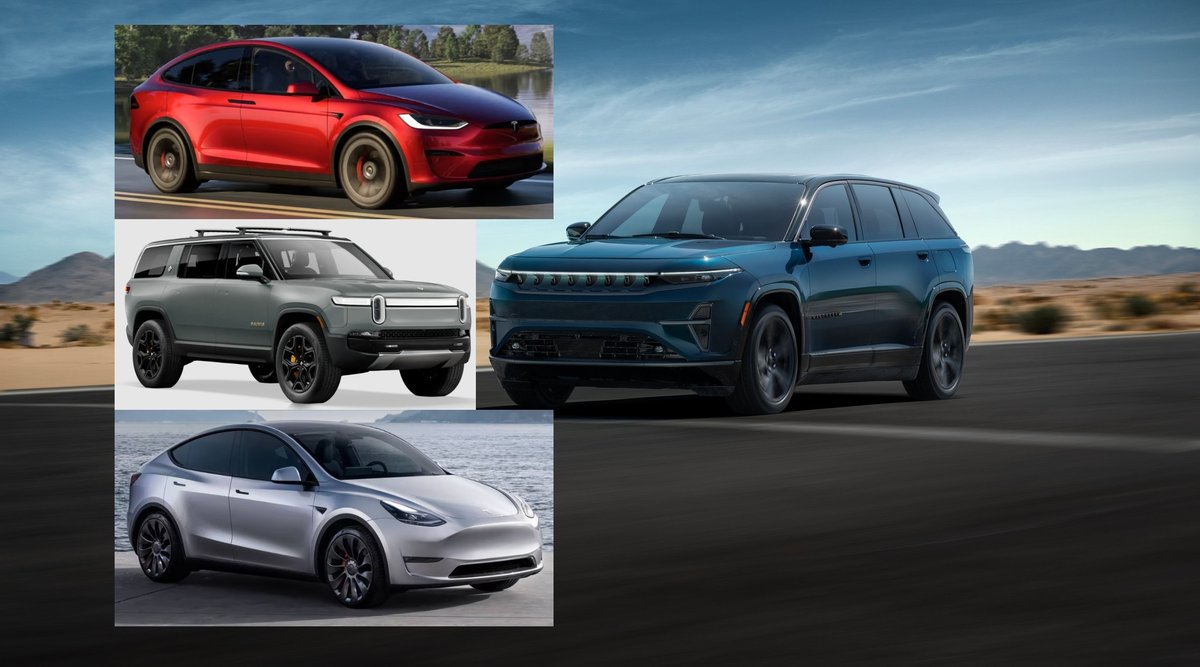
Stellantis Delays Jeep Wagoneer and Ram 1500 EREVs Again
Repeated Delays Disrupt Stellantis Electrification Strategy
Automotive giant Stellantis has once again postponed the launch timeline for its flagship extended-range electric vehicles. Fresh information from internal production schedules confirms that both the Jeep Grand Wagoneer and the Ram 1500 extended-range variants face significant operational setbacks. These schedule changes push the debut of the company’s innovative powertrain technology further into the future, frustrating buyers eager for long-range electrified utility trucks and SUVs.
The highly anticipated Ram 1500 extended-range pickup truck has experienced another pushback. Previously expected to arrive on showroom floors by the end of 2026, updated assembly roadmaps reveal the truck will now not launch until approximately April 2027. This latest postponement adds to a series of schedule shifts for the brand’s pickup platform, which previously saw its fully battery-electric pickup project scrapped in favor of extended-range systems.
Concurrently, the production timetable for Jeep’s extended-range Grand Wagoneer has been lengthened. Originally slated to begin assembly much earlier, the luxury flagship SUV faces a minimum six-month delay, moving its expected factory rollout to November 2027. Despite earlier corporate assertions that Jeep would lead the domestic market with this powertrain, the pushback leaves the brand vulnerable to agile competitors entering the segment.
Leadership at Stellantis, under chief executive Antonio Filosa, had previously framed these extended-range models as core pillars of a comprehensive product offensive. Executives promised that the extended-range architecture would bridge the gap between traditional combustion engines and pure battery-electric vehicles. However, persistent manufacturing adjustments and software integration hurdles continue to slow down execution across North American assembly facilities.
Mechanics of Extended-Range Electric Vehicle Technology
Unlike traditional plug-in hybrid electric vehicles or standard battery-electric platforms, extended-range electric vehicles utilize a distinct mechanical setup. In an extended-range system, an electric motor drives the wheels exclusively at all times. An internal combustion engine remains present under the hood, but it operates solely as an onboard generator to recharge the high-voltage battery pack when energy reserves drop.
This specific engineering approach aims to eliminate range anxiety while retaining the immediate torque characteristics of electric drive units. Drivers gain the environmental and performance benefits of electric vehicle propulsion alongside the convenient refueling capabilities of gas stations. For full-size trucks and heavy SUVs designed for towing, extended-range powertrains mitigate the rapid energy consumption typical of pure battery-electric setups.
Engineers face considerable complexity when balancing the heavy hardware required for extended-range powertrains. Integrating large battery packs alongside traditional internal combustion generators demands meticulous weight distribution, advanced thermal management, and sophisticated software calibration. Industry filings indicate that refining these complex control modules and ensuring long-term vehicle durability have contributed directly to the current production delays.
Performance Specifications of the Extended-Range Wagoneer
Despite the revised schedule, the technical specifications outlined in regulatory filings for the Jeep Grand Wagoneer extended-range model remain impressive. The vehicle packs a substantial 92-kilowatt-hour battery pack paired with a proven 3.6-liter V6 gas engine. The internal combustion unit feeds power directly into a 130-kilowatt onboard generator, maintaining optimal battery charge during extended highway journeys.
Stellantis estimates that this combined setup will deliver a total driving range of 500 miles on a full charge and a complete tank of fuel. This capability positions the vehicle as a direct solution for long-distance family travel and remote utility applications, offering significantly greater autonomy than most pure battery-electric competitors currently available on the market today.
Performance figures for the flagship extended-range SUV remain equally high. The dual-motor powertrain produces an estimated 647 horsepower and 620 pound-feet of torque. According to factory estimates, this output allows the heavy luxury SUV to accelerate from zero to 60 miles per hour in just five seconds, establishing a high benchmark for flagship performance within the full-size utility vehicle market.
Rivals Seize Opportunity as Domestic Production Lags
While Stellantis struggles to bring its extended-range platforms to market, rival global automakers are rapidly advancing their own extended-range development programs. Companies including Ford, Genesis, Volkswagen’s Scout brand, and Hyundai are aggressively investing in similar extended-range technology. These manufacturers recognize growing consumer demand for electrified vehicles that do not depend entirely on public charging infrastructure.
Hyundai is moving particularly fast to establish a strong presence in the North American market. The South Korean automaker plans to launch its Santa Fe extended-range model during the first half of 2027. Manufactured directly at Hyundai’s facility in Alabama, this vehicle will hit the domestic market months ahead of Jeep’s revised assembly timeline, potentially capturing valuable market share in the utility segment.
Long-Term Market Implications for Jeep and Ram
The repeated postponement of these key models places Jeep and Ram at a severe competitive disadvantage. By surrendering their early-mover timeline, both brands risk allowing rival automakers to solidify their position in the rapidly emerging extended-range market. Furthermore, consumer trust may wane as promised release dates continue to shift further down the road.
As automotive buyers seek practical bridge solutions during the broader transition toward electrification, extended-range vehicles represent a major revenue opportunity. Stellantis must now ensure that its revised 2027 launch windows remain firm. Any further delays could severely erode brand loyalty and jeopardize the company’s long-term electrification strategy across the competitive North American market.
