Feds Escalate Tesla Cybercab Safety Probe With Sworn Order
Federal highway safety regulators have significantly raised the stakes in their ongoing review of Tesla's Cybercab, shifting from routine inquiries to a legally binding mandate. The National Highway Traffic Safety Administration has formally issued a Special Order, demanding that an executive from the electric vehicle manufacturer attest under oath to the accuracy and completeness of the company’s regulatory compliance disclosures.
The escalated regulatory probe, rooted in Audit Query AQ26002, stems from fundamental questions regarding how Tesla certified a driverless vehicle operating without traditional human controls. Federal safety rules historically mandate specific mechanical hardware, including steering wheels, pedals, and side mirrors, creating an immediate regulatory hurdle for a vehicle designed entirely around fully autonomous transport systems.
Regulatory Audit Shifted to Sworn Legal Demand
The transition from an audit query to a Special Order represents a crucial legal shift for federal oversight agencies. Rather than engaging in informal back-and-forth communication, regulators are deploying an administrative subpoena power designed to compel verified documentation. This same legal mechanism was previously deployed during extensive federal investigations into automated driving assist technologies.
Under the terms of the order, Tesla faces a strict September 30 deadline to provide exhaustive answers to 21 distinct technical inquiries. Crucially, the response must include a legally binding affidavit signed by a corporate officer. Submitting incomplete or misleading information under such an order carries severe legal ramifications, effectively elevating routine administrative compliance into a high-stakes corporate legal obligation.
The Core Mechanical and Hardware Certification Dilemma
At the heart of the regulatory inquiry is Tesla's method of self-certifying compliance with Federal Motor Vehicle Safety Standards. Federal rules explicitly define specific vehicle operational requirements, such as requiring service brakes to be activated via a designated foot-operated control. Cybercab completely omits foot pedals, prompting regulators to demand detailed legal and engineering justifications.
Regulators have specifically pressed Tesla on whether temporary human controls were attached during early vehicle testing or formal certification evaluations. If temporary steering or braking apparatuses were utilized to meet compliance testing criteria, federal officials want to know which specific safety standards relied on those temporary mechanisms before the production vehicle entered commercial operation without them.
Tesla’s self-certification approach contrasts sharply with alternative regulatory routes taken by competing autonomous vehicle developers. Other companies in the driverless mobility space have sought formal federal exemptions under Part 555 regulations, an established legal pathway allowing novel vehicle architectures to operate without legacy controls subject to strict operating conditions and fleet size limitations.
Exemption Pathways and Potential Financial Penalties
By bypassing the standard exemption petition process, Tesla appears to have relied on an aggressive interpretation of existing safety codes. However, regulatory disclosures indicate that failing to substantiate these self-certification claims could expose the automaker to immense financial liability. Potential civil penalties associated with non-compliant vehicle certifications could exceed $139 million if regulatory authorities reject the company's framework.
Beyond direct financial penalties, the requirement for a sworn affidavit creates individual legal accountability for company executives. While the Special Order does not explicitly declare the Cybercab inherently unsafe or in direct violation of law, it forces Tesla to formally detail its regulatory logic, placing its self-certification strategy into the public legal record under penalty of perjury.
Fleet Deployment Continues Amid Regulatory Scrutiny
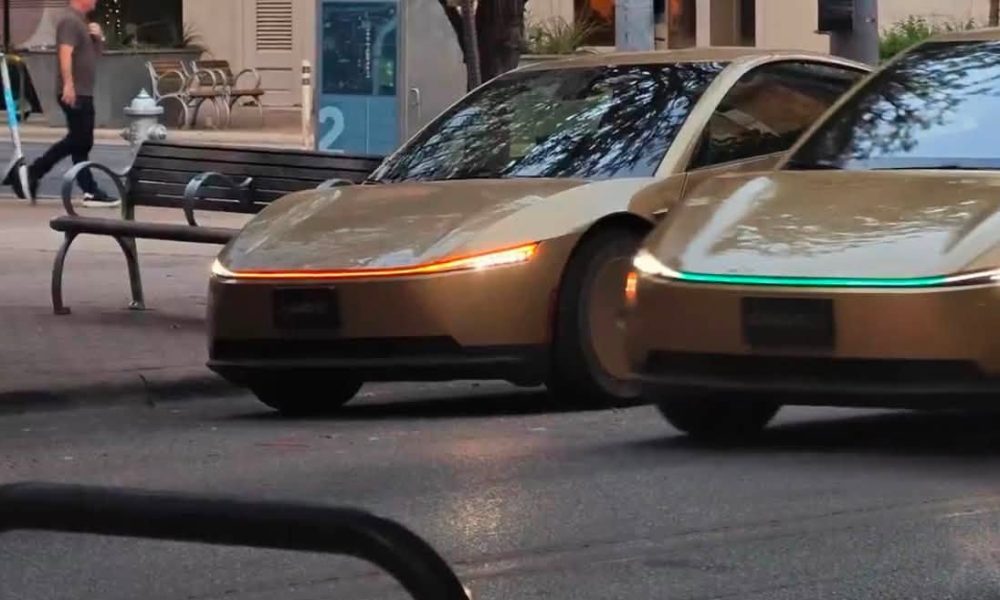
Despite the intensifying regulatory audit, commercial Cybercab operations remain active in Austin, Texas. Passengers continue to hail autonomous rides through the company's dedicated transportation application, as the Special Order does not automatically suspend current vehicle operations or halt commercial testing while the safety agency evaluates the manufacturer’s formal submission.
Tesla has continued to expand its driverless footprint across urban test environments, maintaining that advanced autonomous software will ultimately deliver superior safety metrics compared to human drivers. The ongoing deployment highlights the tension between legacy vehicle safety frameworks written for human-driven vehicles and modern software-driven mobility platforms designed without legacy mechanical backups.
Broader Implications for Autonomous Vehicle Commercialization
Market analysts and institutional investors note that software-driven autonomy remains central to the automaker's valuation strategy. Industry financial reports indicate steadily rising adoption rates for automated driving software across standard consumer models, reinforcing the commercial imperative behind rolling out custom robotaxi hardware across major metropolitan markets to secure new revenue streams.
The outcome of the September 30 filing will likely set a major regulatory precedent for the entire autonomous vehicle industry. How federal authorities process Tesla’s self-certification defense will clarify whether existing vehicle safety standards can accommodate control-free car designs, or if legacy regulatory frameworks will force hardware modifications across future robotaxi fleets.
As the deadline approaches, automotive industry observers are closely watching whether Tesla will provide the required technical justifications or pivot toward seeking formal regulatory exemptions. The federal government's firm stance signals that the transition toward a driverless transport future will face rigorous legal examination, regardless of corporate momentum or technological progress.
