
Why Tesla Cybercab Launch Faced Investor And Regulatory Backlash
Tesla’s long-anticipated Cybercab demonstration on September 3 in Austin, Texas, was positioned as a watershed moment for the commercialization of autonomous vehicle technology. However, instead of instilling overwhelming market confidence, the event sparked immediate skepticism among investors and industry observers. The initial aftermath saw company shares tumble as critical operational details remained absent, leaving key stakeholders questioning the readiness of the system.
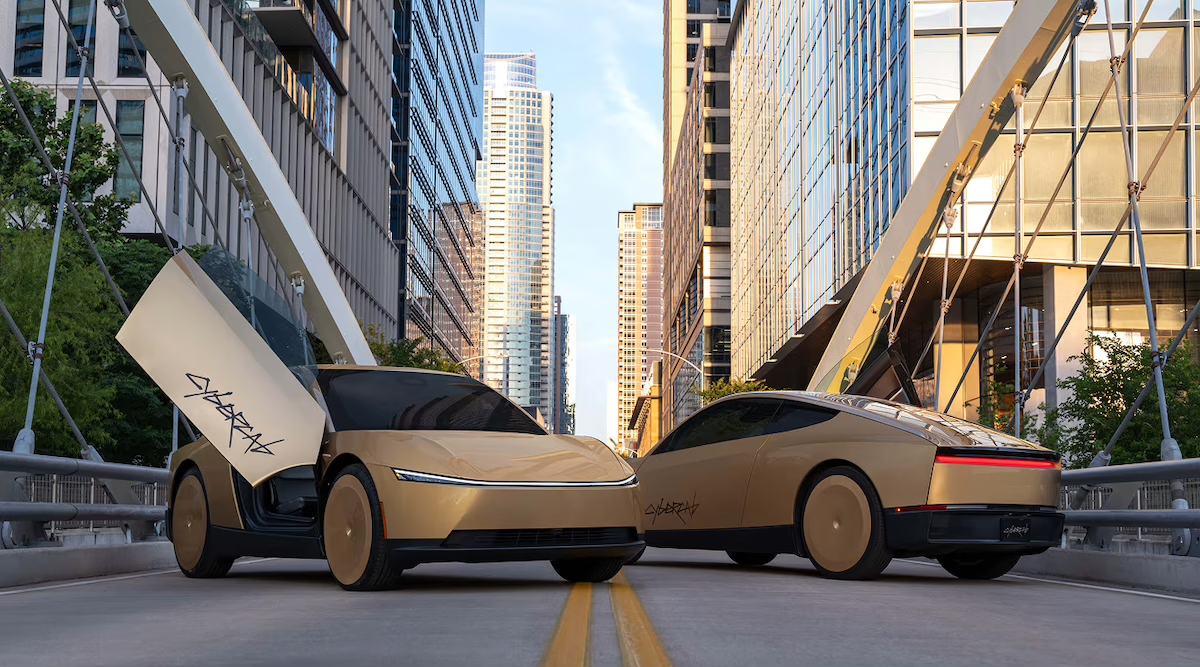
The Cybercab was unveiled as a purpose-built robotaxi completely devoid of traditional steering wheels, accelerator pedals, or human-operated controls. Yet, despite the sleek presentation, market enthusiasm quickly waned due to unanswered technical questions. Financial markets reacted negatively in the immediate aftermath of the demonstration, reflecting growing unease over the vehicle's actual level of full autonomy and regulatory compliance.
Unanswered Questions Surrounding Autonomous Operation
Industry reports swiftly highlighted potential discrepancies between Tesla's pure autonomy claims and practical vehicle operation. Observers noted that the vehicle might feature concealed software controls, such as a virtual joystick interface, allowing manual intervention when needed. This brought back memories of past demonstrations where autonomous systems relied on hidden human assist operators to navigate complex or unpredictable environments.
Safety concerns escalated rapidly following public road tests in Texas. Viral incidents emerged involving pranksters stepping directly in front of moving Cybercabs to test collision avoidance systems. These risky stunts, alongside ongoing questions from emergency response agencies regarding first responder protocols, heightened scrutiny around how the vehicle manages unpredictable pedestrian interactions without a safety driver present.
Real-world navigational flaws further dampened enthusiasm. In one documented incident reported on social media forums, a routine ten-minute passenger ride between commercial districts turned into a prolonged seventy-minute detour through East Austin. Such unexpected routing anomalies underscored the system's current struggles with everyday urban navigation, raising doubts about its immediate commercial viability for highway and suburban transit.
Federal Regulators Intervene With Formal Audit
The regulatory response was swift. Just one day following the Austin demonstration, the National Highway Traffic Safety Administration announced it had officially opened an Audit Query into the vehicle. Federal regulators indicated the probe would evaluate technical documentation and engineering processes used by the manufacturer to self-certify that the Cybercab meets federal safety standards.
Under the National Traffic and Motor Vehicle Safety Act of 1966, vehicle manufacturers shoulder the legal responsibility of self-certifying that their products meet all applicable Federal Motor Vehicle Safety Standards. However, designing a vehicle entirely without traditional driver controls pushes existing regulatory frameworks into uncharted territory, prompting federal authorities to rigorously double-check the underlying technical data.
To enforce compliance, regulatory officials issued a binding Special Order directed at Tesla’s legal counsel. The directive mandates that the electric vehicle maker provide comprehensive, sworn technical background materials by September 30. The federal inquiry aims to determine whether the self-certification process was robust enough to justify deploying driverless vehicles on public roads.
Inside the 21 Regulatory Mandates
The government’s Special Order detailed twenty-one specific requests for information, focusing heavily on operational safety and testing protocols. A central element of the inquiry, specifically outlined in request number five, demands that the company confirm whether the demonstration vehicles were capable of being driven by human operators using temporarily attached or hidden controls during testing.
Federal investigators are seeking absolute clarity on whether temporary hardware or virtual override interfaces were utilized during the September 3 event. Regulatory disclosures indicate that authorities want to review complete telemetry data, software code logs, and remote assistance records to verify if true vehicle autonomy was operating independently throughout the public Austin demonstration runs.
Additionally, the federal inquiry mandates complete disclosure regarding emergency stopping capabilities, system redundancies, and failure-mode protocols. If a vehicle lacks manual steering mechanisms, regulators require proof that secondary and tertiary backup systems can safely bring the vehicle to a complete stop during critical software failures or sudden sensor degradation incidents.
Wall Street Reaction and Commercial Reality
Wall Street’s initial reaction reflected the uncertainty surrounding the Cybercab rollout. Tesla stock suffered multi-day losses immediately following the presentation as institutional investors digested the lack of detailed business timelines. Although equity prices have partially rebounded since the initial drop, financial analysts emphasize that long-term valuation depends heavily on resolving these federal inquiries.
Industry analysts note that commercializing fully driverless fleets requires more than compelling vehicle hardware; it demands absolute regulatory clearance and proven operational reliability. Competing robotaxi operators have faced similar regulatory slowdowns, and Tesla’s attempt to bypass traditional hardware controls has intensified scrutiny from municipal and federal transit authorities alike.
As the deadline for submitting sworn technical disclosures approaches, the automotive industry remains focused on Austin. Overcoming federal scrutiny while proving that Cybercab can operate safely without human intervention represents the company's biggest hurdle yet. Until these twenty-one regulatory questions are answered definitively, the promise of pure autonomy remains caught between ambitious vision and stringent reality.
