
Light Phone Adds Rideshare Tool for Minimalist Smartphone Users
More than a decade after introducing its original vision of a mobile device designed to be used as little as possible, hardware manufacturer Light is taking a significant step forward. The company has officially launched a dedicated Rideshare tool designed to connect users directly with major transport platforms. This new feature enables seamless urban travel while maintaining the brand's core commitment to digital minimalism.
For years, modern consumers attempting to disconnect from addictive smartphone feeds faced a practical dilemma. While removing hyper-engaging applications reduced screen time, it often stripped away essential modern conveniences like on-demand transportation. The latest software update addresses this friction point directly, proving that reduced digital distraction does not require giving up vital everyday infrastructure.
The software rollout is specifically tailored for owners of the Light Phone III and the upcoming Light Flip device. By integrating access to industry leaders like Uber and Lyft, Light offers a streamlined alternative to traditional smartphone applications. Users can now navigate urban environments efficiently without exposing themselves to algorithmically driven social media notifications or intrusive advertising pop-ups.
Seamless Integration Without Algorithmic Distraction
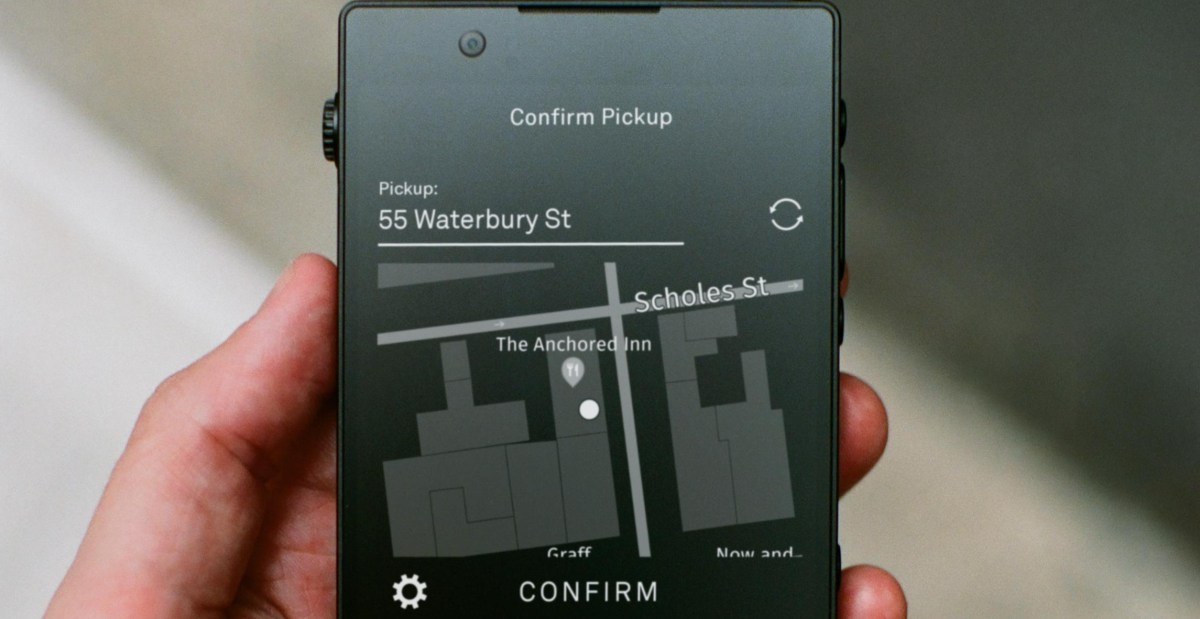
The newly introduced Rideshare utility focuses purely on essential transactional functions rather than visual engagement. Users can quickly search for pick-up and drop-off destinations, review upfront fare estimates, and select between different vehicle tiers. Furthermore, the minimalist interface allows individuals to store frequently visited locations, streamlining routine commutes down to a few swift button taps on the custom monochromatic display.
Once a ride is requested, the interface displays vital trip metadata without extraneous animations. Passengers can view accurate real-time driver details, vehicle models, license plate identifiers, and calculated arrival times. If unexpected logistics arise, the tool provides a direct mechanism to initiate a voice call to the assigned driver, ensuring smooth communication throughout the pick-up process.
By keeping the operational interface text-based and high-contrast, Light ensures that booking a trip remains a deliberate, functional action rather than an extended device session. Market analysts note that removing dynamic mapping visuals and notification badges significantly reduces cognitive load. Users obtain necessary transport information, put the device back in their pocket, and remain fully present in their surroundings.
Infrastructure and Ecosystem Expansion
Technical integration for the service relies on a specialized partnership with Tremp, a third-party service provider known for operating SMS-based transport ordering protocols. Setup is completed securely through Light's web-based account dashboard, adhering to the same configuration process used for existing LightOS utilities. This external management model ensures that account configuration remains simple and off the primary device.
From a financial perspective, utilizing the third-party dispatch system involves a small processing fee. Disclosures show that Tremp assesses a 10 percent transaction fee with a two-dollar minimum per ride. However, to encourage adoption among early users, the service waives all processing fees for the first five trips completed within thirty days of initial account creation.
This deployment serves as a real-world preview of the expanding LightOS Software Development Kit and tool library ecosystem. Company announcements indicate that user submissions for the developer SDK will officially open by the end of the month. Fully vetted third-party applications created under this framework are expected to reach the broader public catalog just a few weeks later.
Redefining Modern Hardware Design
The decision to add app-like utility to a minimalist device represents a refined philosophy of intentional design. Addressing long-standing customer demand, Light leadership recently emphasized that the goal is not to manufacture retro novelties. Instead, executive statements highlight an ambition to rebuild modern technology from the ground up while systematically stripping away unnecessary tracking, advertising, and engagement-maximizing features.
Providing essential tools like rideshare access, music streaming, and navigation is critical for retaining users long-term. Industry surveys consistently indicate that missing critical utility tools is the primary reason consumers abandon minimalist hardware and return to standard smartphones. By closing these practical gaps, Light strengthens the viability of a lifestyle centered on reduced screen dependency.
The introduction of custom tools demonstrates how specialized operating systems can handle complex web services via clean APIs. Rather than running resource-heavy mobile apps fraught with telemetry scripts, the system processes lean data requests. This architectural approach preserves battery longevity while maintaining a high standard of data privacy for security-conscious consumers.
Future Prospects for Distraction-Free Mobility
As the minimalist mobile hardware category matures, manufacturers are increasingly forced to balance functional necessity with digital minimalism. The success of Light's software framework could serve as a blueprint for competing hardware makers looking to offer high-utility services without compromise. Early testing suggests that users respond positively to dedicated utilities that solve acute logistical challenges seamlessly.
Ultimately, bringing rideshare access to a monochrome platform proves that smart connectivity does not require constant distraction. By allowing consumers to book transport safely without inviting algorithmic interference into their personal lives, Light continues to redefine the boundaries of modern consumer electronics. The move signals a promising future for intentional, utility-first technology in an increasingly noisy world.
