
Poseidon Aerospace Secures $60M for Autonomous Cargo Fleet
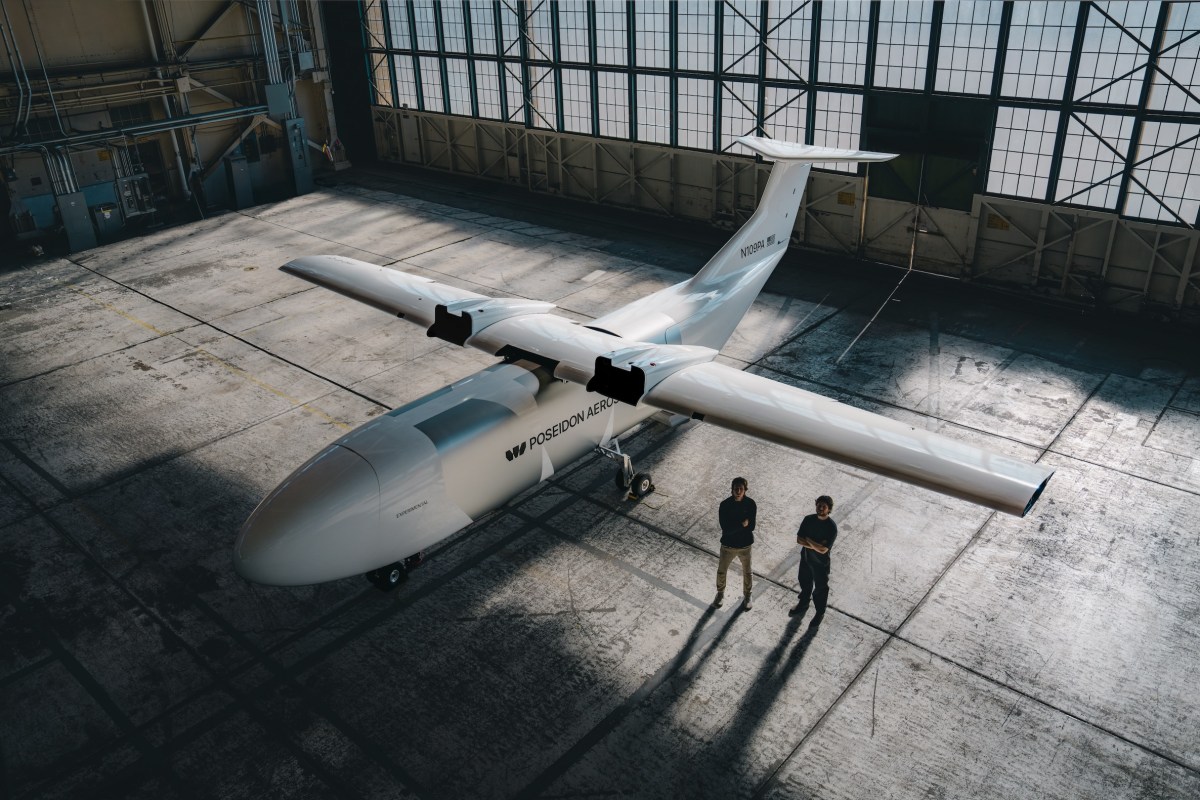
Emerging defense and aerologistics startup Poseidon Aerospace has finalized a $60 million Series A funding round as it prepares for the debut flight of its uncrewed cargo plane, Egret. The substantial capital injection positions the company to accelerate development, expand manufacturing operations, and execute operational trials before the end of the year.
The financing round was led by venture firm TQ Ventures, alongside new strategic investments from Hanwha Asset Management, G Squared, and JAWS. Existing early backers, including Starship Ventures, Draper Associates, and Drover Ventures, also extended their financial commitments, signaling strong institutional confidence in Poseidon’s pragmatic approach to autonomous middle-mile freight.
Founded by former Amazon logistics specialist David Zagaynov and former Lockheed Martin engineer Parker Tenney, Poseidon was conceived to solve structural cost inefficiencies across middle-mile cargo transport. Recent executive commentary highlights how early conversations between the founders revealed a recurring market flaw: aviation startups frequently prioritize novel technologies over commercial viability.
Rethinking Aerial Freight Strategy
While contemporary air mobility ventures heavily invest in electric vertical takeoff and landing systems or experimental hydrogen powertrains, Poseidon is intentionally charting a different path. Company leadership emphasizes that chasing complex propulsion tech often distracts from the core requirement of regional air freight, which remains delivering high volume at the lowest cost.
Instead of pioneering unproven propulsion architectures, Poseidon relies entirely on proven internal combustion engines for its aircraft line. According to technical executive statements, liquid hydrocarbon fuels offer unmatched energy density, enabling longer operational range and payload capacities that current battery systems simply cannot replicate without heavy payload penalties.
By abstracting away futuristic powerplants and complex tilt-rotor mechanics, Poseidon focuses on refining a simple, aerodynamically efficient fixed-wing design. The startup’s internal design goal focuses on building a highly reliable platform optimized purely for freight movement, drastically lowering upfront capital expenditures and ongoing maintenance cycles.
A Radical Focus on Pragmatic Aviation
The company’s flagship aircraft platform, named Egret, is an uncrewed fixed-wing plane tailored for land-based air cargo runs. Poseidon is simultaneously developing a specialized seaplane variant, dubbed Heron, designed to conduct water landings and service maritime environments where traditional runway infrastructure is completely absent or severely compromised.
Central to Poseidon’s efficiency strategy is removing human flight crews from the airframe entirely, shifting command functions to ground-based monitoring systems and autonomous flight software. Eliminating onboard pilot cockpits dramatically reduces structural weight, increases total internal cargo volume, and eliminates strict regulatory pilot rest restrictions that limit conventional aircraft.
Industry filings indicate that the impending uncrewed test flight scheduled for later this year will validate Poseidon's autonomous command architectures. Successful flight testing will demonstrate the platform’s stability and pave the way for regulatory approvals required to initiate commercial pilot programs across both military and civilian supply chains.
Targeting Defense and Commercial Operations
Poseidon’s commercial strategy targets two primary verticals: national defense supply chains and regional commercial logistics. On the defense side, military logistics planners are increasingly seeking sovereign capabilities to deliver heavy payloads to forward-operating bases without risking human crews or relying on vulnerable, high-value airbase facilities.
Regulatory disclosures and defense analysis underscore that global peer adversaries are actively expanding uncrewed freight platforms. Poseidon’s resilient, infrastructure-independent design aims to provide national security forces with distributed logistics capabilities, ensuring critical operational supply lines remain functional even when traditional runways suffer severe damage or denial in contested conflict environments.
For commercial markets, Poseidon plans to operate its own regional air cargo service rather than functioning as a direct equipment manufacturer selling airframes to third parties. By retaining ownership and operating as an end-to-end carrier, Poseidon aims to directly compete for shipping contracts against established traditional freight operators.
Unlocking Point-to-Point Logistics Dynamics
Operating an autonomous air fleet fundamentally alters regional shipping economics, allowing operators to bypass conventional hub-and-spoke flight constraints. Because uncrewed aircraft are not tethered to localized pilot home bases or crew rest scheduling caps, routes can be dynamically adjusted based on shifting daily shipping demand.
This flexibility allows Poseidon to offer direct point-to-point delivery services for major express carriers like FedEx and UPS. Emulating the operational agility of low-cost passenger airlines, Poseidon can shift aircraft across geographic corridors on demand, reducing idle transit time and dramatically improving overall fleet utilization metrics.
Ultimately, Poseidon’s strategic focus hinges on treating air freight as a pure commodity where speed, cost, and service availability determine success. By combining established engine technology with cutting-edge flight autonomy, the startup aims to redefine middle-mile air logistics across both defense operations and global commercial supply networks in the coming years.
