
Trump Proposes Path For Chinese EVs Made In The United States
The global automotive landscape has faced growing trade friction as Western nations attempt to protect their domestic manufacturing bases from foreign competition. In recent years, aggressive tariffs and stringent supply chain regulations have effectively locked Chinese automakers out of the lucrative U.S. market. What once appeared to be an inevitable expansion by Chinese manufacturers into North America has turned into a locked door due to geopolitical tension.
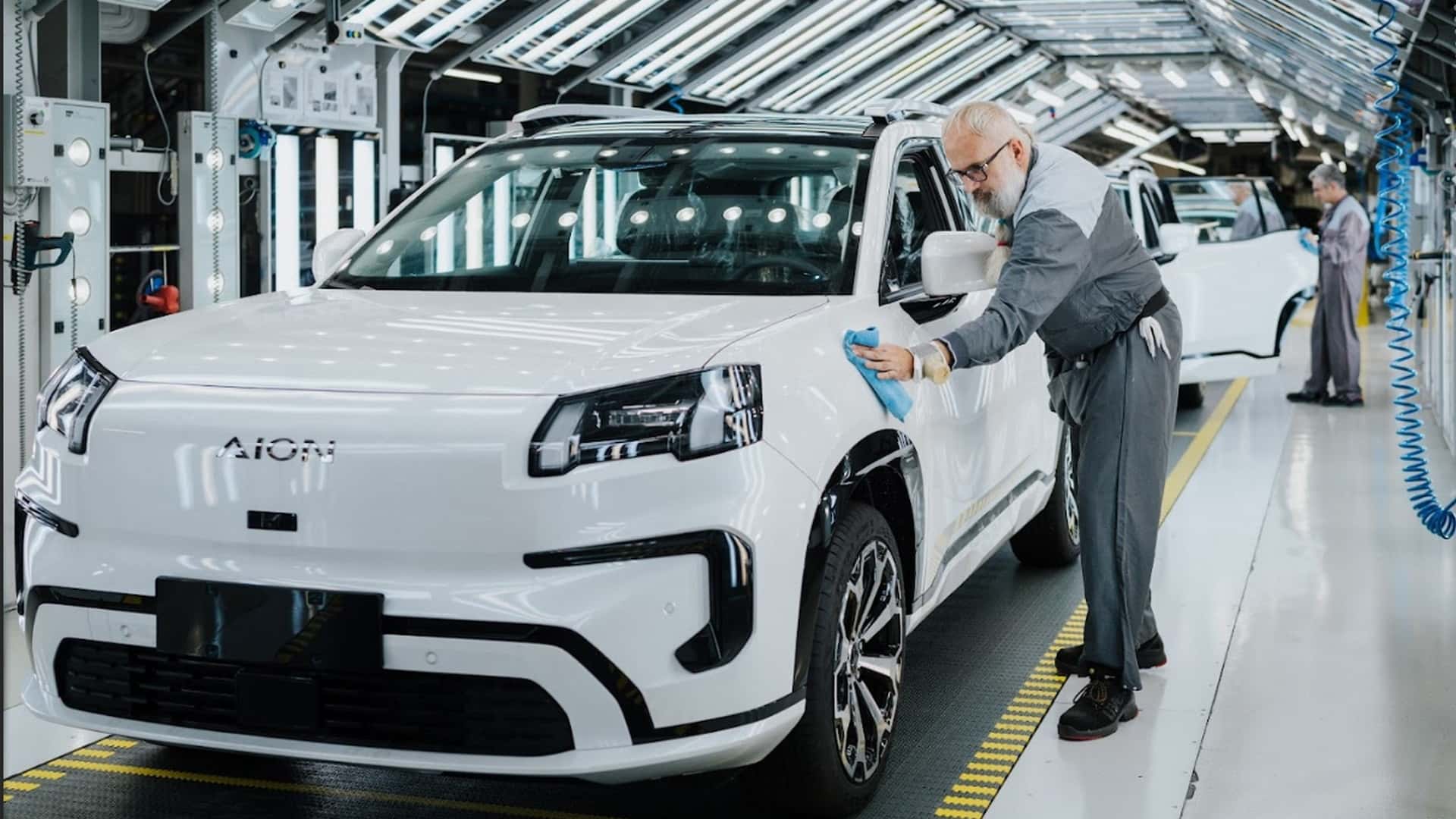
However, recent policy statements suggest that the door might not be entirely shut under specific operational conditions. President Donald Trump indicated in a televised interview that he would be receptive to Chinese automakers establishing manufacturing facilities directly within the U.S. The condition for entry is straightforward: vehicles must be assembled domestically utilizing American labor, mirroring the historic investment strategies used by Japanese automakers.
The Foreign Direct Investment Framework
Trump emphasized that welcoming foreign auto assembly is acceptable only if domestic workers directly benefit from the economic activity. Drawing parallels to the 1980s when Japanese companies built factories across the U.S., the administration views local production as a net positive for American employment. By setting up physical plants on domestic soil, foreign brands contribute to local supply chains, real estate investments, and high-paying manufacturing positions.
Crucially, this openness does not extend to vehicles produced in third-party nations meant to circumvent trade barriers. Trump explicitly rejected the idea of Chinese automakers leveraging manufacturing facilities in Mexico to ship cheap electric vehicles across the southern border. Under current trade proposals, vehicles entering the country via indirect assembly corridors will face prohibitive tariffs designed to close structural tax loopholes and protect domestic automakers.
Navigating Current Regulatory and Security Bans
While executive rhetoric suggests a potential pathway forward, existing federal regulations present formidable barriers to any Chinese automotive presence. Recent regulatory disclosures reveal that the Department of Commerce has instituted strict rules prohibiting software and hardware linked to Chinese entities. Software restrictions are set to take effect for the 2027 model year, followed by hardware prohibitions by 2030, effectively creating a structural market ban.
These security-focused rules have already reshaped product portfolios for several international brands operating within the domestic market. Certain electric vehicle subsidiaries have seen vehicle distribution curtailed due to component sourcing restrictions tied to Chinese technological development. Even established European luxury manufacturers have faced administrative friction over connected-car software architectures, illustrating how deep and pervasive the regulatory gridlock currently remains for foreign hardware.
Bipartisan Resistance and Technology Licensing
Political opposition to Chinese involvement in the automotive supply chain remains fierce across both sides of the aisle. Federal transportation officials recently criticized domestic automakers for licensing battery manufacturing technology from prominent Chinese firms for use in domestic facilities. Despite plants hiring local workers and operating on U.S. soil, critics argue that reliance on foreign intellectual property poses a long-term risk to domestic energy independence.
Legislation sponsored by congressional representatives aims to completely block Chinese brands from marketing passenger vehicles within the country, regardless of manufacturing location. Lawmakers voice deep concerns regarding data privacy, state subsidies, and national security vulnerabilities linked to modern connected vehicles. This intense legislative pressure highlights a fundamental disagreement between executive proposals for localized manufacturing and legislative desires for complete technological containment.
Trade Diplomacy and Market Implications
The timing of these shifting statements coincides with high-stakes diplomatic meetings planned between U.S. leadership and Chinese President Xi Jinping. Industry analysts suggest that automotive manufacturing access could become a key bargaining chip in broader bilateral trade negotiations. A potential economic deal could see relaxed regulatory restrictions in exchange for massive capital investments by Chinese firms into economically depressed American manufacturing hubs.
For Chinese automakers facing an oversupplied domestic market, securing a foothold in North America remains a strategic priority. Major Chinese electric vehicle companies have already demonstrated aggressive global expansion throughout Europe, Latin America, and Southeast Asia. Accessing the U.S. auto market through localized manufacturing would allow these brands to bypass high tariffs while serving the growing demand for affordable electric transportation.
The Unsettled Road Ahead for Foreign EVs
If executive policy ultimately aligns with allowing localized production, domestic automakers will face unprecedented competition on home turf. Chinese manufacturers currently possess significant cost advantages in battery production, software integration, and vehicle assembly efficiency. Establishing U.S. factories would equalize labor costs, but their technological expertise could still disrupt traditional Detroit automakers who are currently restructuring their electric vehicle divisions.
However, operationalizing this vision requires dismantling significant regulatory machinery established over recent years. Automakers would need to completely segregate their software development and supply chain mapping to satisfy Department of Commerce security requirements. Without clear, statutory exemptions, built-in-America Chinese vehicles would still trigger regulatory flags under current connected-vehicle rules, making immediate factory investments highly risky for foreign executives.
Ultimately, the future of Chinese electric vehicles in the U.S. hinges on whether pragmatic trade deals can overcome entrenched national security concerns. While executive willingness to allow local plant construction provides a theoretical roadmap, the legislative and regulatory framework remains hostile. The automotive industry now watches closely to see if upcoming diplomatic talks will rewrite the rules of engagement for foreign automakers.
