
Next Gen EVs Target Extreme Range and Mega Charging Speeds
The global transition toward electric mobility is accelerating far beyond basic efficiency metrics, shifting focus toward unprecedented performance thresholds and revolutionary charging infrastructure. Recent industry disclosures indicate that legacy automakers and agile startups are aggressively pushing the envelope, pairing absurd acceleration figures with four-digit range targets. At the center of this transformation lies a fierce international competition between established domestic pioneers and rapidly expanding foreign manufacturers.
As battery chemistry improves and powertrain engineering reaches new levels of overall efficiency, the boundaries of electric transport are expanding rapidly across multiple sectors. From halo hypercars promising near-supernatural capabilities to commercial heavy-duty vehicles capable of rapid cross-country freight haulage, the clean transportation landscape is undergoing a structural shift. Analysts note that these technical advancements are fundamentally altering consumer expectations and operational logistics worldwide.
Tesla Roadster Promises Unprecedented Performance Specs
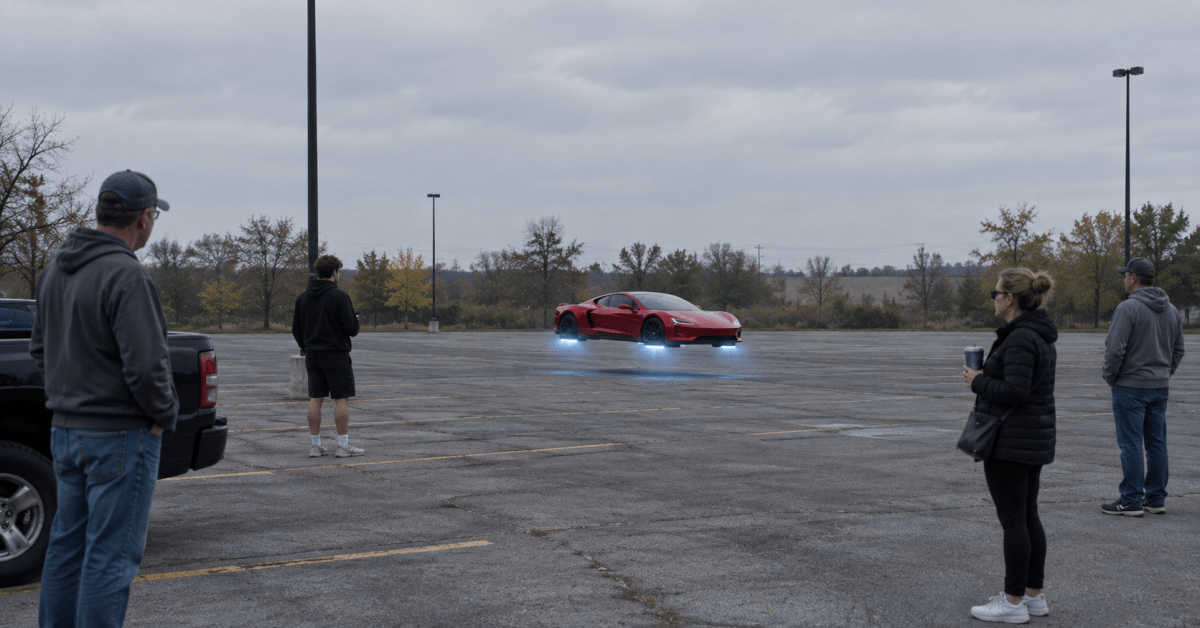
Few vehicles have captured public imagination quite like the long-delayed Tesla Roadster, which remains a focal point for extreme performance expectations. Originally touted with a theoretical range approaching 620 miles and record-shattering acceleration times, recent corporate hints suggest even more radical design alterations. Industry filings and executive statements point toward exotic cold-gas thruster technology and absurd power output intended to redefine the super-sports car segment entirely.
However, repeated production delays have raised valid questions among automotive analysts regarding the technical feasibility of balancing extreme power output with real-world energy storage density. Combining massive battery capacity with the structural weight limits of a light chassis presents immense engineering challenges. Despite these prolonged delays, upcoming demonstration events scheduled for later this year are expected to showcase whether these audacious engineering claims can finally translate into production reality.
Legacy Automotive Giants Push High Performance Limits
Tesla is not the only automaker focused on breaking performance records in the high-voltage sports segment. Legacy manufacturers like Volkswagen are aggressively deploying dedicated high-performance electric vehicles designed to conquer track records and showcase structural engineering prowess. Recent testing disclosures reveal specialized multi-motor setups optimized for sustained high-speed output, directly challenging the track thermal limits that previously hampered early-generation performance vehicles.
These track-focused endeavors serve as crucial testbeds for mass-market passenger vehicle technology. Thermal management innovations, advanced torque-vectoring software algorithms, and high-discharge silicon-anode battery architectures developed for flagship track cars are rapidly trickling down into mainstream consumer lineups. By demonstrating extreme durability under severe thermal stress, legacy brands are working to prove that zero-emission vehicles can outmatch traditional internal combustion engines across every dynamic metric.
Commercial Transport Embraces Megawatt Level Charging
Beyond consumer sports cars, commercial logistics is witnessing its own technological revolution led by aggressive international battery developers. Chinese manufacturing giant BYD has introduced a new heavy-duty electric semi-truck boasting a 600-kilometer operational range paired with a staggering 1.5-megawatt ultra-fast charging system. This technological leap addresses one of the primary hurdles facing commercial fleet electrification: severe operational downtime during critical long-haul freight operations.
A 1.5-megawatt charging infrastructure, often referred to as flash charging, can replenish massive commercial battery packs in a fraction of the time required by standard fast chargers. Industry fleet reports indicate that such high-power charging capabilities permit heavy transport vehicles to fully recharge during standard driver rest breaks, rendering long-distance electric haulage economically viable. This development places immense pressure on Western commercial truck manufacturers to accelerate their own high-power charging standards.
Autonomous Fleet Deployment Gains Real World Ground
Parallel to advancements in energy storage and charging speed, autonomous vehicle integration is progressing rapidly from closed-course testing to active public transport service. In Switzerland, Zürich Airport has begun deploying Level 4 autonomous shuttles to streamline passenger movement across busy terminal grounds. Regulatory disclosures highlight that these driverless shuttles operate on complex operational design domains without requiring any human supervision during routine transit routes.
The real-world deployment of Level 4 autonomy in high-density transportation hubs provides highly valuable operational data for broader urban taxi networks. Autonomous vehicle developers, including those building dedicated robotaxis like the Tesla Cybercab, are closely monitoring these hub infrastructure integrations. Establishing consistent software reliability in controlled environments like international airports serves as a vital stepping stone toward securing regulatory approval for widespread commercial ride-hailing services.
The Converging Future of Electric Mobility
The intersection of 1,000-mile potential energy storage, megawatt charging infrastructure, and driverless software marks a pivotal moment for global mobility. Market analysts emphasize that while halo hypercars grab headlines, the underlying supply chain and cell engineering breakthroughs are what ultimately drive mass adoption. Energy density gains achieved through next-generation solid-state or advanced liquid chemistries will eventually democratize extreme range and performance capabilities across all consumer vehicle segments.
As high-performance hypercars redefine absolute speed and commercial transport solves the long-distance freight puzzle, the electric transition is entering its second major decade. Automated transit networks and ultra-fast charging corridors will soon convert niche engineering achievements into everyday transport infrastructure. The coming months will reveal whether audacious performance promises can deliver scalable solutions capable of permanently replacing legacy internal combustion systems globally.
