
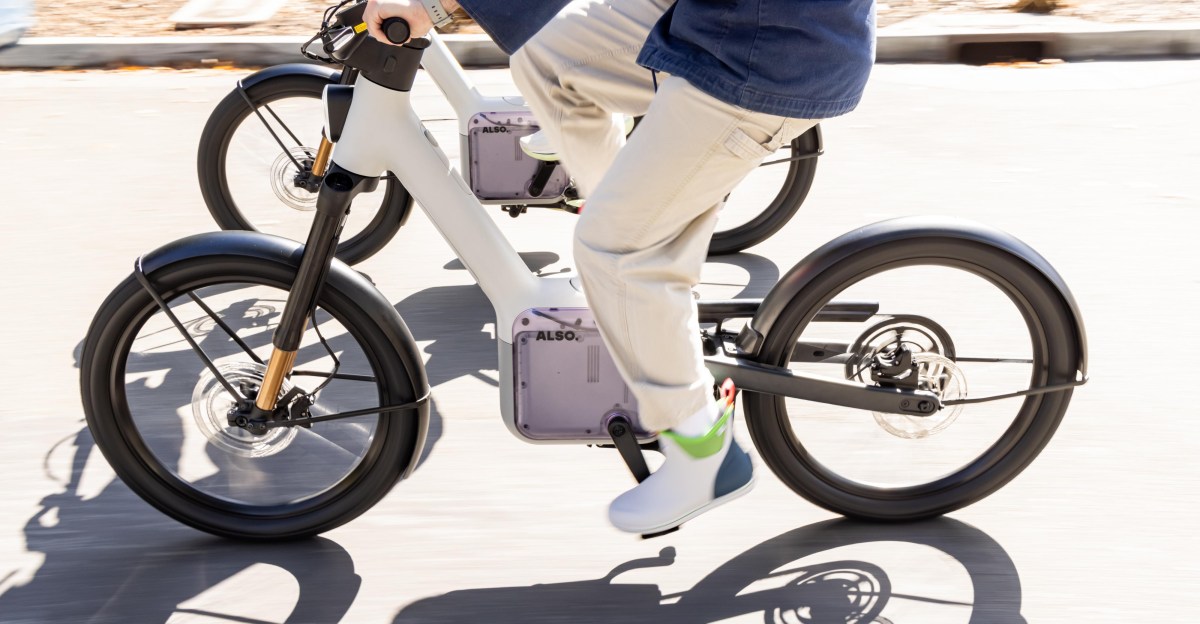
Rivian Spinoff Also Delays Futuristic TM-B Electric Bike
The micromobility landscape witnessed a surge of enthusiasm when Also, an independent spinoff backed by electric vehicle manufacturer Rivian, introduced its flagship TM-B electric bicycle. Promising an unprecedented blend of automotive-grade technology and sleek design, the e-bike quickly captured consumer attention. However, ambition has met operational resistance as the company struggles to bring its futuristic vehicle to market.
Initial delivery projections indicated early reservation holders would receive their units by spring 2026. That timeline subsequently slipped into the summer months, and now, as fall arrives, delivery promises remain unfulfilled. Customers awaiting their premium two-wheelers have expressed growing concern across community forums, prompting executive leadership at Also to issue a formal public response clarifying the situation.
In a detailed open letter released by product management, Also acknowledged the widespread frustration caused by these unannounced delays. The company took full responsibility for failing to communicate timeline shifts effectively. Rather than rushing an unfinished product to market, executives reaffirmed their decision to prioritize rigid quality control standards over initial delivery deadlines.
Supply Chain Pressures from the Broader Tech Sector
At the core of the production bottleneck lies an unexpected intersection with the global artificial intelligence boom. The TM-B relies heavily on sophisticated internal electronics, requiring advanced printed circuit boards and integrated circuits. As tech giants absorb global component supplies, small-scale vehicle manufacturers face severe component shortages and prolonged procurement delays.
To maintain momentum, engineering teams at Also have been forced to re-evaluate hardware architecture continuously. Replacing unavailable microcontrollers and critical circuitry requires extensive redesign work, followed by rigorous bench testing. Each component substitution adds several weeks of crucial engineering validation to ensure electrical stability and overall safety before full-scale manufacturing can proceed smoothly.
This unexpected technological pivot highlights the vulnerability of modern software-defined vehicles to sudden global hardware shortfalls. While traditional bicycles rely on standard off-the-shelf mechanical parts, Also’s heavily integrated digital architecture means a single missing microchip can halt the entire assembly line, causing compounding delays across the company's overall production schedule.
Regulatory Hurdles Surrounding High-Power Charging
Beyond component availability, the TM-B features an advanced battery system that presents novel regulatory challenges. Offered in 538Wh and 808Wh pack configurations, the battery aims to deliver up to 100 miles of range. However, its high-power charging system utilizes a 240-watt USB-C Power Delivery architecture that pushes past traditional e-bike norms.
Current safety standards for light electric vehicles were not originally drafted with such high-wattage universal charging protocols in mind. Consequently, Also must collaborate directly with international standards organizations and industry regulatory bodies to establish entirely new safety and testing frameworks before shipping any finished customer units to consumer driveways worldwide.
Navigating untested regulatory waters inherently adds severe unpredictability to major hardware product rollouts. Ensuring that high-output energy transfer meets stringent fire and electrical safety certifications requires exhaustive thermal management testing. Executive leadership insists these rigorous compliance measures remain absolutely vital to protecting overall consumer safety despite the frustrating timeline extension.
The Mechanical Complexity of Pedal-by-Wire
Perhaps the most complex innovation on the TM-B is its proprietary DreamRide drivetrain system. Abandoning traditional chains and mechanical linkages, the e-bike utilizes a pedal-by-wire design. When a rider pedals, they turn an internal generator motor that charges the battery, which then powers a rear-wheel traction motor via a carbon belt drive.
Eliminating the physical mechanical link between pedals and wheels requires sophisticated real-time software algorithms to simulate natural pedaling resistance. Furthermore, the physical drivetrain components demand ultra-precise manufacturing tolerances to prevent premature wear and maintain smooth power delivery. Achieving this extraordinary degree of engineering precision has severely constrained initial factory production throughput.
Engineers are currently scaling the manufacturing process cautiously to prevent elevated defect rates during initial mass production runs. High-precision gearboxes and complex generator assemblies require specialized calibration equipment directly on the factory assembly line, resulting in a significantly slower production ramp-up than company planners originally anticipated during early vehicle development phases.
Strategic Choices and Customer Communication
The ongoing predicament facing Also highlights the classic tension between aggressive hardware innovation and real-world automotive manufacturing constraints. Spun off from Rivian to push the boundaries of urban micromobility, Also set an ambitious benchmark by attempting to reinvent both bicycle propulsion and portable energy storage within a single flagship vehicle release.
Company leadership publicly acknowledged that while technical decisions were justified, communication surrounding timeline changes fell short of customer expectations. Product management committed to providing more frequent, transparent updates as manufacturing bottlenecks resolve and regulatory approvals near completion, aiming to restore long-term buyer confidence among early reservation holders awaiting delivery.
Ultimately, Also stands firmly by its choice to delay shipments rather than deliver an unrefined product to early adopters. As assembly lines undergo continuous optimization and safety regulatory protocols near final completion, the market will soon discover whether this ambitious, software-driven electric bike can successfully fulfill its bold, high-tech promises.
