
Rivian Spin-Off ALSO Begins E-Bike Tour Amid Delivery Delays
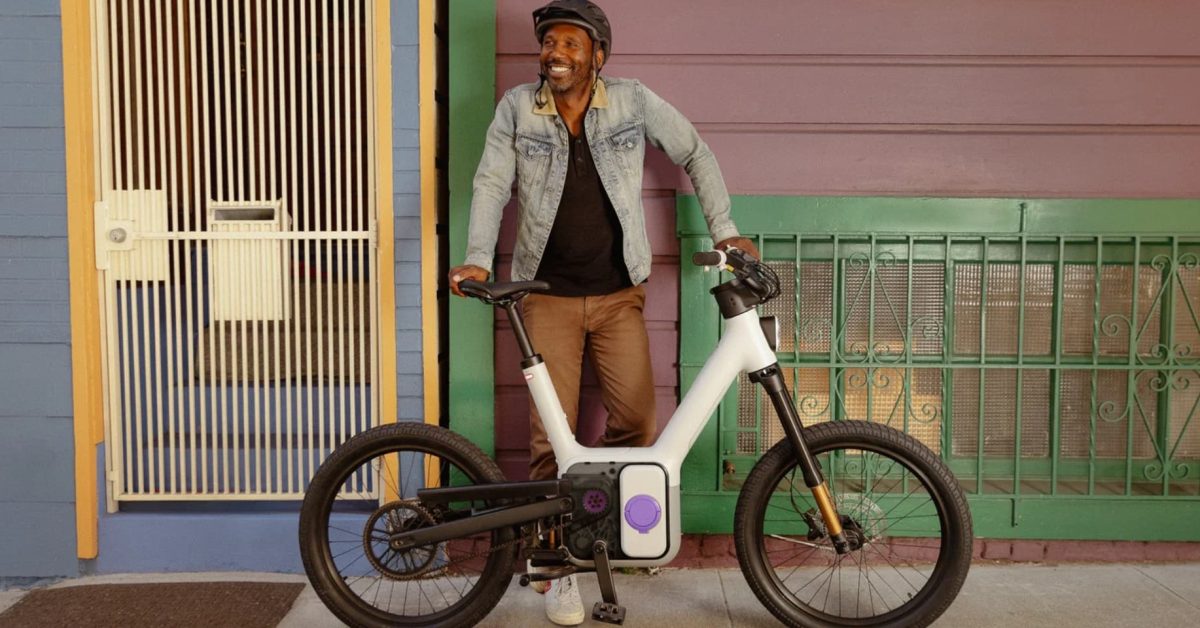
Electric vehicle enterprise spinoff ALSO has officially launched its nationwide demo program, bringing its flagship TM-B electric bicycle directly to prospective buyers across the United States. Dubbed the Test Spin Fall Tour, the traveling showcase offers consumer enthusiasts hands-on experience with the platform. However, the promotional initiative arrives alongside mounting frustration from early backers awaiting pre-ordered vehicles.
The contrast between active marketing efforts and unfulfilled orders has ignited debate within the light electric vehicle industry. While promotional fleets travel from coast to coast, customers who pledged financial support nearly a year ago remain without firm delivery dates. This operational tension highlights the delicate balance between driving customer acquisition and scaling complex hardware manufacturing processes.
A Nationwide Roadshow Meets Growing Customer Frustration
The comprehensive demo tour began its journey in Portland, Oregon, before setting off toward major metropolitan hubs across the country. Planned stops include Philadelphia, Boston, Boise, Madison, Minneapolis, Sacramento, Atlanta, Detroit, and Dallas. At each location, company representatives offer technical walkthroughs and test rides, encouraging prospective buyers to place reservations for the high-end electric bike.
Meanwhile, early adopters who committed to the flagship $4,500 Launch Edition TM-B continue facing shifting delivery timelines. Initially promised for spring, fulfillment estimates slipped into summer before moving to late September. Recent corporate communications informed buyers that shipments had officially commenced, yet actual deliveries are now projected to roll out in staggered waves through November.
Feedback collected from online buyer forums reveals that numerous day-one reservation holders have yet to receive individual tracking information or confirmed drop-off dates. The disconnect between public promotional events and private order fulfillment has created unease among early brand champions. For these consumers, seeing marketing fleets operate while personal orders languish presents a deeply frustrating situation.
Technological Ambition Meets Supply Chain Realities
Building a software-defined light electric vehicle from scratch involves significantly more engineering rigors than assembling off-the-shelf components. The TM-B features a custom architectural design, ditching standard mechanical linkages for novel drivetrain systems and advanced energy management modules. However, introducing pioneering vehicle architectures often exposes hardware startups to production bottlenecks and extended validation cycles.
Executive disclosures indicate that global supply chain volatility has severely impacted the manufacturing timeline for critical electronics. Crucial raw materials used in printed circuit board fabrication and specialized integrated circuits experienced unprecedented lead times. Company leadership attributes part of this scarcity to the rapid expansion of the artificial intelligence sector, which absorbed substantial semiconductor manufacturing capacity.
Because primary electronic components became unavailable, engineering teams were forced to source alternative silicon and redesign control systems. Swapping integrated circuits requires comprehensive requalification, software re-architecture, and stress testing rather than simple hardware substitutions. Consequently, these necessary engineering revisions consumed months of production ramp time, directly contributing to initial delivery slippage.
Engineering Bottlenecks and Regulatory Red Tape
Beyond component shortages, the TM-B incorporates novel features that push existing regulatory boundaries for consumer electric bicycles. The platform introduces a unique removable battery architecture capable of supporting high-speed USB-C Power Delivery at up to 240 watts. Because this output exceeds traditional safety frameworks for light mobility products, engineers must collaborate with international safety bodies to establish new testing protocols.
Manufacturing complexity is heightened by the bike's proprietary DreamRide pedal-by-wire system. Unlike traditional chain or belt drives, this electronic transmission relies on precise sensor feedback and software algorithms to simulate natural pedaling physics. Executive statements emphasize that scaling high-precision production for this novel drivetrain requires a deliberate ramp to maintain strict quality standards and prevent reliability issues.
Addressing customer concerns regarding transparency, product leadership issued a formal operational update detailing these manufacturing obstacles. Leadership acknowledged internal communications should have been clearer regarding hardware revisions and certification delays. While the explanation offers valuable context, it also highlights the immense challenge of bringing bleeding-edge transportation technologies from design phase to full production.
Retail Infrastructure and Service Network Disconnects
Customer frustrations extend beyond assembly lines into the post-purchase service ecosystem designed to support new owners. Several early reservation holders attempting to verify local service coverage reported contacting affiliated bike shops listed on the corporate website. In multiple instances, shop staff expressed surprise, unaware their locations had been designated as authorized service partners for the brand.
These service network communication gaps underscore the logistical hurdles facing emerging vehicle manufacturers. Establishing a reliable nationwide service footprint requires coordination, technician training, and inventory management alongside vehicle production. When retail partners are caught off guard, consumer confidence in the long-term ownership experience can suffer, compounding existing frustration over vehicle delivery schedules.
The Path Forward for High-Tech Micro-Mobility
Deploying promotional demo fleets while navigating manufacturing delays is a calculated strategy common among high-growth hardware ventures. Generating pre-order momentum remains critical for securing operational capital and validating market demand. However, managing brand reputation requires balancing promotional outreach with transparent fulfillment schedules, ensuring early advocates receive their promised vehicles without indefinite postponements.
As the Test Spin Fall Tour continues across major U.S. markets, industry analysts will closely monitor both delivery volumes and customer satisfaction metrics. The TM-B represents a bold step forward for high-tech micro-mobility, but its ultimate success hinges on execution. Transitioning from promotional showcases to consistent customer deliveries will determine whether this ambitious electric vehicle platform can fulfill its potential.
