Tesla Faces Fresh Safety Probes Over Unsupervised Driving Video
Tesla is pushing hard to establish its Full Self-Driving technology across key global markets. The electric vehicle pioneer faces intense pressure to maintain its lead over legacy automakers and tech rivals. However, the aggressive marketing campaign surrounding this software is drawing renewed scrutiny from federal regulators. The central issue remains whether public messaging aligns with actual software capabilities.
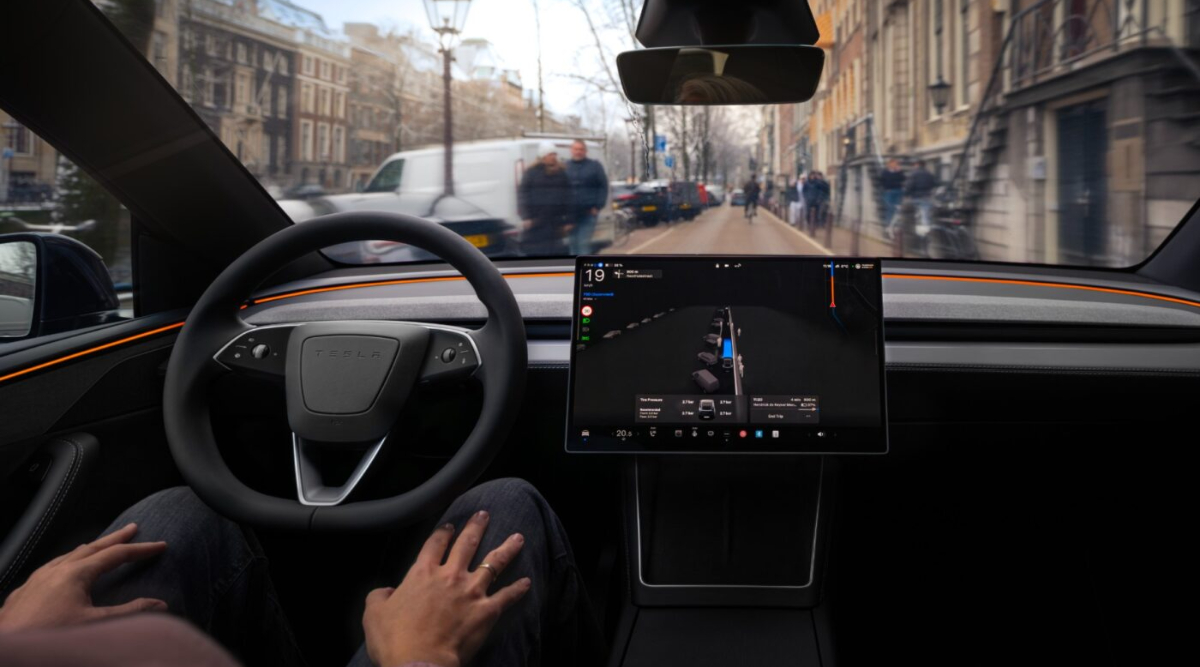
The core conflict lies in the disparity between promotional content and official vehicle documentation. While marketing materials highlight near-autonomous capabilities, user manuals state that driver supervision is mandatory at all times. As social media clips showing disengaged drivers spread, safety advocates argue that the boundary between assistance and full autonomy is dangerously blurred for everyday motorists.
Growing Scrutiny Over Driver Inattention
Investigative reports have recently uncovered dozens of videos depicting Tesla drivers completely disengaged from driving duties. In several alarming instances, motorists appeared to be intentionally sleeping while the vehicle navigated highways. These flagged videos spanning several years suggest widespread disregard of system limitations among consumers, amplifying fears that driver monitoring mechanisms remain insufficient to prevent misuse.
In response to these findings, Representative Raja Krishnamoorthi formally requested a federal inquiry. The lawmaker called upon the Department of Transportation and safety regulators to launch an immediate investigation into the widespread posting of unsupervised driving videos. Lawmakers argue that public dissemination of such content undermines established safety guidelines and poses direct risks to public safety.
This congressional push follows previous federal engineering analyses into driver-assist systems. Regulatory findings previously concluded that automated safeguards often fail to ensure continuous driver engagement. Safety officials identified a fundamental mismatch between operational control exerted by the software and the minimal friction required to bypass monitoring protocols, concluding that current cabin monitoring lacks sufficient rigor.
Controversial Marketing Meets Regulatory Constraints
Adding fuel to the controversy is executive leadership's habit of highlighting hands-off driving online. Tesla CEO Elon Musk recently reshared content featuring elderly drivers navigating complex intersections without manual intervention. By publicly praising instances where operators abandon traditional control, leadership risks signaling that hands-off driving is acceptable, despite strict legal requirements demanding constant human vigilance.
The rush to promote unsupervised capabilities reflects broader commercial pressures. Tesla remains eager to launch dedicated robotaxi services to fulfill long-standing promises made to investors. Automakers worldwide are racing to monetize autonomous ride-hailing networks, creating an environment where early market entry offers enormous financial rewards. However, pushing consumer expectations past technological readiness threatens to invite stricter regulatory crackdowns.
Global expansion faces similar friction, particularly in major international automotive hubs. Regulators in Asian and European markets are rewriting autonomous vehicle guidelines to address data privacy and sensor reliance. National security concerns regarding onboard cameras, combined with strict safety validation protocols, have slowed software rollouts overseas, creating an uphill battle for deployment beyond North American borders.
Questionable System Prompts Raise Safety Alarms
Concerns have intensified over recent software update notifications displayed on vehicle screens. Technical analyses revealed system messages suggesting drivers rely on automated features when fatigued. Prompts encouraging motorists to let the vehicle assist them during detected lane drifts or drowsiness have drawn sharp criticism. Critics argue these alerts create a contradictory message encouraging impaired drivers to yield control.
Federal lawmakers highlighted the inherent danger of these automated suggestions in official letters to transportation authorities. Advising a fatigued operator to rely on driver-assistance features rather than pulling over presents a severe safety hazard. If a system explicitly requires human oversight, inviting a tired driver to lean on automated steering directly undermines mandatory supervision protocols.
The controversy also revitalizes debate surrounding Tesla's camera-only approach to hardware. Unlike competitors utilizing multi-sensor suites combining LiDAR, radar, and cameras, Tesla relies exclusively on optical vision for spatial perception. Industry analysts remain divided on whether vision-based systems can achieve true autonomy safely across adverse weather without redundant sensing hardware to verify road conditions.
The Path Ahead for Autonomous Vehicle Oversight
Federal regulators now face mounting pressure to enforce clear boundaries between partial driver assistance and full autonomy. As safety investigations escalate into comprehensive engineering reviews, regulatory agencies may mandate stricter driver monitoring software updates. Mandates could include infrared eye-tracking enforcement or automatic system disengagement when driver gaze strays from the roadway for prolonged intervals.
For the automotive industry, bridging the gap between driver assistance and true autonomy requires balancing consumer enthusiasm with absolute system reliability. Automakers must ensure that public relations campaigns do not outpace software capabilities. Clear communication regarding system operational boundaries is vital to prevent driver overreliance and maintain public trust in emerging autonomous transport technologies.
Legal liability also looms large for vehicle manufacturers promoting advanced driver aids. If promotional activities conflict with fine-print user manual disclaimers, courts and regulatory bodies may hold manufacturers accountable for misrepresenting vehicle capabilities. As public probes deepen, corporate messaging around self-driving technology will face rigorous legal scrutiny alongside the underlying software code.
Ultimately, the ongoing scrutiny highlights a pivotal moment for the transition toward autonomous mobility. The push to lead the self-driving race must align with rigorous safety standards and transparent marketing. Without robust oversight and clear driver responsibilities, the promises of autonomous driving could be delayed by legal challenges and diminished public trust across global markets.
