
Samsung Begins Trial Production of Tesla AI5 Chips in Texas
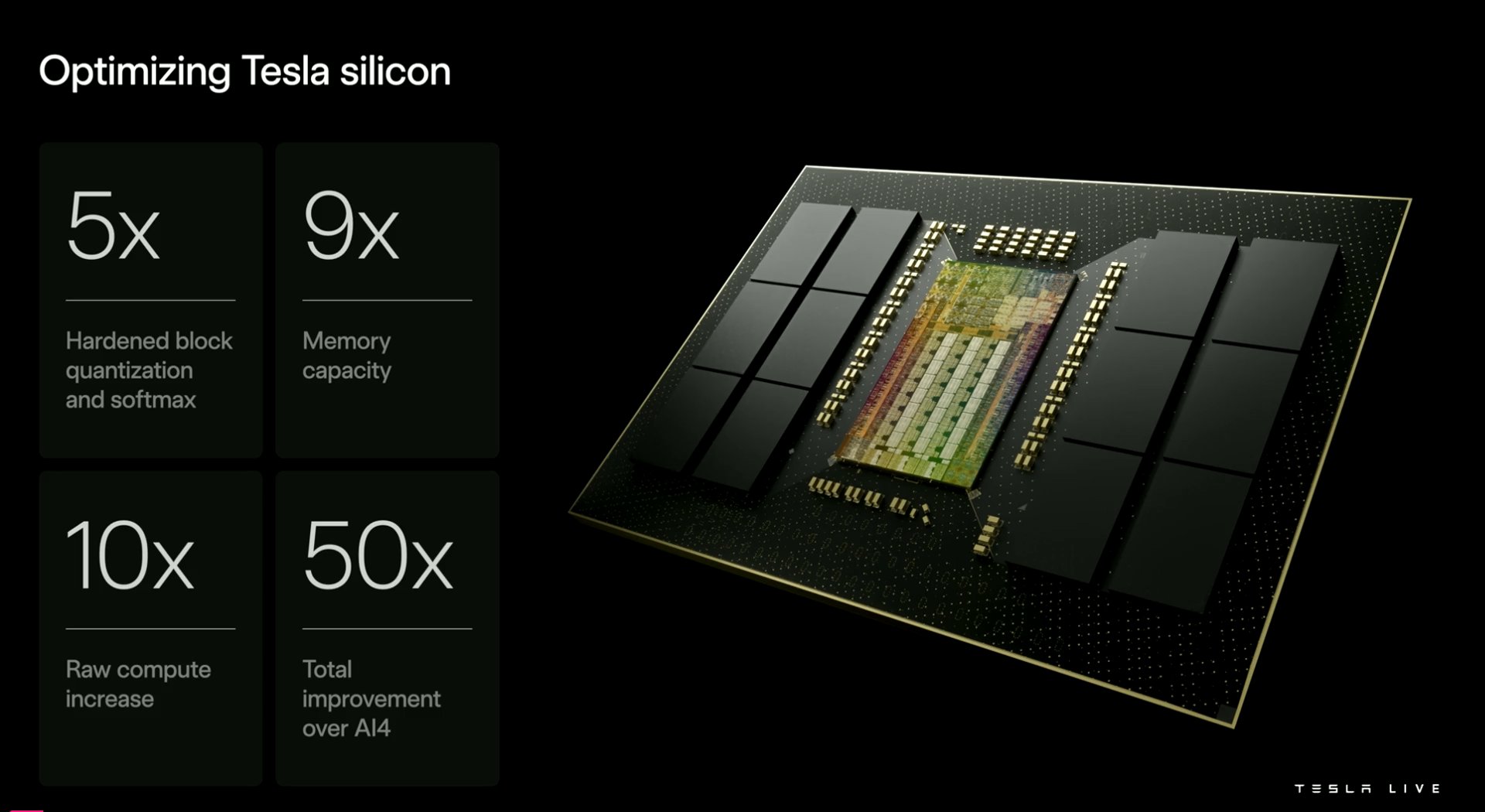
Samsung has officially commenced trial production of Tesla’s next-generation AI5 processor at its newly constructed semiconductor foundry in Taylor, Texas. The landmark operational milestone marks a significant step forward in the strategic partnership between the South Korean electronics giant and the American electric vehicle manufacturer. This initial trial phase aims to test and refine advanced manufacturing lines ahead of future high-volume commercial runs.
According to semiconductor industry sources, engineers at the Taylor facility recently began processing test silicon wafers using Samsung’s cutting-edge 2-nanometer node. Select manufacturing equipment has officially entered the prototype fabrication stage for the AI5 hardware design. The primary goal of this initial run is to rigorously evaluate manufacturing yields, identify operational bottlenecks, and fine-tune fabrication steps before locking in mass production parameters.
Advanced 2-Nanometer Process at the Taylor Foundry
The early deployment of the 2-nanometer process node at the Texas site underscores the rapid acceleration of Samsung’s operational roadmap. Facilities at the Taylor plant were brought online faster than originally forecasted, following an intensive equipment move-in phase earlier this spring. Samsung’s engineering team has prioritized the site to ensure seamless coordination with high-profile commercial clients requiring top-tier processing capabilities.
Tesla achieved the critical design phase known as tape-out for the AI5 silicon architecture earlier this summer. Reaching tape-out allowed the finalized integrated circuit layout to transition directly from theoretical design into physical wafer manufacturing and physical hardware verification. This seamless handoff between design and manufacturing teams highlights the tight integration required to produce leading-edge automotive and artificial intelligence computing hardware.
However, industry analysts emphasize that trial production does not indicate that completed AI5 processors will enter finished products anytime soon. The ongoing work is strictly focused on prototype verification and long-term yield optimization. Samsung’s internal schedules indicate that comprehensive mass-production verification for the 2-nanometer AI5 platform will likely extend through the final quarter of 2026.
Initial Deployment in Data Centers and Optimus
Full-scale commercial manufacturing and mass component delivery are projected to commence in early 2027. Yet, consumers expecting to see the AI5 processor power new vehicles next year will need to adjust their expectations. Tesla’s internal hardware strategy places different priorities on where these high-performance compute chips will make their commercial debut.
During recent corporate earnings briefings, executive leadership confirmed that current-generation AI4 hardware retains more than enough raw computational throughput to accomplish unsupervised full self-driving capability. Because AI4 performance remains sufficient for current autonomous driving goals, there is no immediate pressure to rush the newer processor into the production vehicle lineup prematurely.
Instead, initial allocations of the AI5 silicon will be directed toward Tesla’s expanding artificial intelligence infrastructure. The high-throughput chips are expected to power training clusters in company data centers and provide core computing muscle for the Optimus humanoid robotics project. These demanding computing environments will serve as ideal proving grounds for testing the processor under extreme workloads.
Vehicle Integration Timeline and Autonomous Driving
Automotive integration of the AI5 processor will follow a phased schedule aligned with hardware lifecycle transitions. Tesla plans to introduce the chip into its passenger vehicle fleet only after existing AI4 component manufacturing reaches natural maturity and end-of-life cycles. This methodical transition ensures cost-effective scaling while avoiding unnecessary supply chain disruptions across active assembly lines.
The computational leap offered by AI5 will eventually grant future autonomous vehicles unprecedented real-time processing capabilities. By housing neural network compute locally with lower power consumption, future vehicles will process vast streams of high-resolution sensor data instantly. However, maintaining hardware stability across existing models remains the primary focus for autonomous software rollouts over the coming months.
The Strategic Impact of the Multi-Billion Dollar Partnership
Tesla has served as a central catalyst behind Samsung’s decision to expedite the operational schedule of its Texas foundry. Last year, the two tech leaders finalized a massive chip supply agreement valued at approximately $16.5 billion. The strategic contract positions the Taylor facility as the primary manufacturing engine for Tesla’s long-term artificial intelligence and autonomous hardware needs.
For Samsung, securing high-volume orders for its 2-nanometer node provides a critical competitive advantage in the global semiconductor foundry market. Demonstrating stable yields on complex AI architectures validates the economic viability of the Taylor investment. Furthermore, localized manufacturing in North America helps insulate both companies from potential geopolitical friction and global logistics bottlenecks.
For Tesla, establishing localized semiconductor supply lines guarantees predictable delivery schedules for critical silicon components. As artificial intelligence workloads become central to automotive manufacturing, robotics, and cloud compute, securing domestic foundry capacity ensures operational independence. The Texas ecosystem allows close engineering collaboration between Tesla’s design teams and Samsung’s manufacturing specialists.
The Broader Outlook for Next-Gen Automotive Chips
As trial production moves forward in Texas, both companies will continue monitoring yield metrics and physical chip parameters. The coming years will demonstrate whether the 2-nanometer node can deliver promised efficiency and performance gains at high volumes. If successful, this partnership could set a new benchmark for semiconductor co-development across the automotive and artificial intelligence sectors.
