
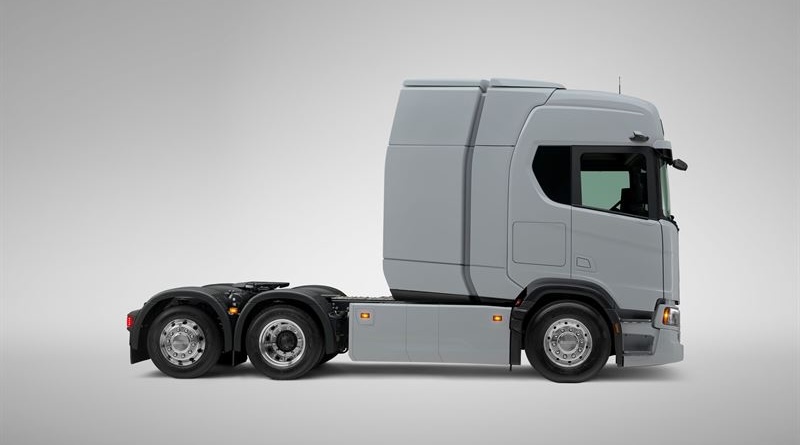
Scania Launches 720 km Electric Truck As Hydrogen Race Scales
The global freight and logistics sector stands at a pivotal inflection point as commercial vehicle manufacturers tackle the demanding challenge of long-haul electrification. For years, heavy-duty Class 8 transport remained a difficult frontier for zero-emission technology due to battery weight, charging downtime, and grid constraints. However, rapid breakthroughs across battery architecture and aerodynamics are accelerating a comprehensive transition for heavy transport worldwide.
Recent commercial vehicle rollouts demonstrate that zero-emission long-haul freight is moving rapidly from experimental pilots to high-capacity operational fleets. While high-volume electric semi production gains momentum globally, commercial vehicle manufacturers are pursuing dual-track strategies. The industry is dividing its focus between ultra-high-density battery electric platforms and large-scale hydrogen fuel cell corridors to meet diverse global shipping demands.
Scania Redefines Battery Range for Long-Haul Logistics
Swedish commercial vehicle manufacturer Scania has introduced a groundbreaking battery-electric truck tailored for the European long-haul market, achieving an impressive single-charge range of up to 720 kilometers. Designed to overcome core bottlenecks in heavy-duty transport, the vehicle addresses fleet operator concerns regarding route coverage, payload capacity, and driver scheduling. This breakthrough signals a major step toward replacing diesel on demanding routes.
To achieve this extended range without sacrificing cargo capacity, engineering teams implemented an innovative architectural layout featuring extra battery packs mounted behind the cab. Combined with chassis-mounted batteries, two cab-mounted MP20 battery units add approximately 356 kilowatt-hours of energy capacity. This configuration allows operators to run standard European trailer combinations while maintaining optimal axle load distribution and cargo volume.
Aerodynamic efficiency played a fundamental role in maximizing the truck's operational range during highway transit. The vehicle features a newly redesigned, protruding front cab layout engineered under updated European vehicle dimension standards. According to manufacturer announcements, this streamlined front reduces overall energy consumption by up to 3 percent by minimizing aerodynamic drag, which represents the largest energy sink at highway speeds.
Overcoming Megawatt Charging and Grid Infrastructure Hurdles
Operational downtime remains a primary consideration for logistics providers evaluating heavy-duty electric trucks against traditional diesel platforms. While conventional diesel trucks with 200-gallon fuel tanks refuel in 10 to 20 minutes, early electric trucks required several hours to recharge. Overcoming this barrier is crucial for aligning electric vehicle operations with mandatory driver rest periods enforced across major transport corridors.
The deployment of Megawatt Charging System (MCS) infrastructure is rapidly resolving operational delays for long-haul operators. Advanced MCS hardware, capable of delivering megawatt-level power transfer, can boost a heavy-duty electric truck's battery from 20 percent to 80 percent capacity in approximately 30 minutes. This capability allows drivers to fully recharge during mandatory mid-shift rest stops without disrupting transport schedules.
Despite advancements in fast-charging hardware, high-power depot chargers present serious grid challenges, requiring costly infrastructure upgrades that can delay station deployment. To bypass power grid constraints, energy operators are deploying battery energy storage systems (BESS) directly at charging sites. These stationary storage units charge gradually from existing grid infrastructure during off-peak hours, providing high-output power when trucks need fast charging.
Heavy Automotive Coalition Doubles Down on Hydrogen Fuel Cells
While battery electric platforms make substantial gains in energy density, alternative powertrain technologies continue to gain momentum for long-distance shipping. Recognizing the physical limits of regional electrical grids, a major consortium of automotive and industrial leaders—including Volvo Group, Daimler Truck, Toyota Motor Corporation, Bosch, Air Liquide, and TotalEnergies—is heavily scaling up hydrogen fuel cell transport infrastructure.
The international coalition recently launched an expansive hydrogen initiative in Germany designed to establish standardized refueling corridors across central Europe. By focusing on hydrogen fuel cell electric trucks, industry stakeholders aim to alleviate pressure on regional power grids while avoiding the massive capital requirements of high-voltage utility expansions. Hydrogen can be transported via pipeline networks, road tankers, or produced on-site.
Hydrogen fuel cells offer distinct operational advantages for heavy-duty commercial applications, particularly high daily mileage requirements and extreme cold-weather operations. Refueling a fuel cell truck takes minutes rather than hours, mirroring traditional diesel operations while eliminating localized emissions. Furthermore, fuel cell powertrains reduce vehicle curb weight compared to massive battery packs, preserving valuable payload capacity for heavy industrial freight.
The Dual-Track Decarbonization Roadmap Takes Shape
Fleet operators navigating the transition to zero-emission logistics are increasingly adopting segmented strategies based on specific route dynamics and weight demands. Analyst reports note that battery electric trucks are becoming the primary solution for regional distribution and medium-haul routes up to 700 kilometers, supported by MCS stations. Meanwhile, hydrogen platforms are positioned to handle cross-continental shipping and heavy haul loads.
As regulatory mandates tighten across Europe and North America, commercial vehicle manufacturers are building flexible manufacturing assembly lines capable of producing both battery and fuel cell architectures. Industry filings indicate that the parallel development of megawatt charging hubs and hydrogen refueling corridors will accelerate fleet electrification far faster than relying on any single technology pathway.
The rapid evolution of long-haul electric commercial transport marks a decisive end to diesel dominance in heavy logistics. With manufacturers proving that battery electric trucks can exceed 700 kilometers on a single charge and heavy-duty hydrogen consortia building international refueling networks, zero-emission freight transport has officially crossed the threshold from speculative technology into high-performance commercial reality.
