
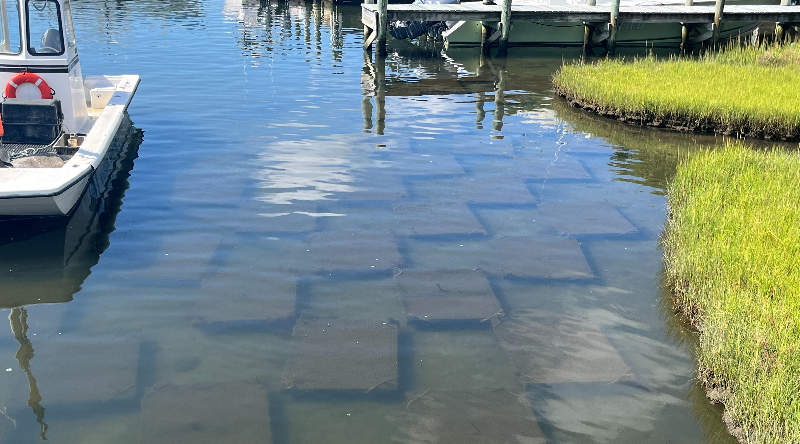
How Sustainable Oyster Aquaculture Helps Restore Coastal Waters
Coastal communities across the United States are confronting growing challenges related to excess nutrient runoff in local estuaries and bays. On Cape Cod, Massachusetts, historical development and intense seasonal tourism have placed immense pressure on marine ecosystems. In places like East Falmouth, salt air and picturesque harbors mask an urgent ecological demand to mitigate excess nitrogen levels in surrounding coastal waters.
To comply with federal environmental regulations without placing an overwhelming tax burden on residents, municipal leaders have increasingly turned to nature-based technologies. Rather than relying solely on traditional civil engineering and costly centralized sewer grid expansions, towns are actively scaling up shellfish aquaculture. This non-traditional strategy leverages biological filtration to clean marine habitats while cultivating local economic development.
Non-Traditional Solutions for Coastal Water Quality
Excess nitrogen in sheltered coastal ecosystems triggers algal blooms that deplete dissolved oxygen, blocking sunlight and damaging native eelgrass habitats. Traditional mitigation requires building massive wastewater treatment infrastructure, which can cost small municipalities hundreds of millions of dollars. As local governments seek fiscally prudent alternatives, environmental studies demonstrate that shellfish propagate an extraordinarily efficient biological mechanism for extracting nutrients directly from estuarine environments.
Filter-feeding mollusks, primarily eastern oysters, absorb excess nitrogen by consuming phytoplankton and organic matter suspended in the water column. As these organisms grow, nitrogen is sequestered into their biomass and shells, permanently removing it from the ecosystem when harvested. Municipal research indicates that integrating controlled shellfish production into long-term coastal management plans offers a reliable, quantitatively proven method for improving overall water clarity and ecosystem health.
Leveraging Shellfish Aquaculture Under the Clean Water Act
Under the federal Clean Water Act, coastal municipalities face strict legal mandates to restore degraded water bodies and meet total maximum daily load standards for nutrients. In response, towns like Falmouth initiated specialized Rotational Aquaculture Plans designed to expand managed shellfish production across vulnerable estuaries. These formal frameworks enable carefully scaled private and municipal shellfish farms to operate as active environmental remediation assets.
Regulatory filings reveal that integrating aquaculture into municipal compliance strategies allows towns to meet federal water quality obligations at a fraction of standard infrastructure costs. By establishing dedicated marine management zones in locations like Waquoit Bay, local authorities create a multi-tiered defense against nutrient pollution. This regulatory alignment ensures that ecological remediation operates in harmony with commercial maritime activities and public estuarine access.
High-Tech Mapping Tools Streamline Siting and Compliance
Scaling aquaculture operations requires balancing complex environmental variables, commercial navigation rights, and stringent state regulations. To overcome these logistical hurdles, coastal managers rely on advanced geospatial platforms like MA-ShellfAST. Developed through marine research extensions, this web-based Geographic Information System aggregates layered spatial data to assist growers and regulatory bodies in selecting ideal underwater sites.
The GIS interface presents critical data layers, including bathymetry, water circulation patterns, benthic habitats, and jurisdictional boundaries in a unified digital map. Prospective shellfish farmers utilize this mapping technology to assess biophysical suitability and identify potential spatial conflicts prior to submitting formal lease applications. By streamlining the environmental review process, technology accelerates the deployment of clean water infrastructure across state waters.
Quantifiable Environmental Impact and Acreage Expansion
What began as small-scale pilot projects has rapidly matured into robust municipal programs. Environmental progress reports highlight significant operational growth, with designated aquaculture acreage on track to more than quadruple from initial footprints. In regions such as the Eel River, Seapit River, Megansett Harbor, and Nantucket Sound, active leases are expanding toward 140 acres to meet ambitious filtration targets.
At peak capacity, these expanded aquaculture zones are engineered to cultivate over 1.3 million oysters annually. Scientific monitoring confirms that high-density shellfish production removes hundreds of pounds of nitrogen each year, stabilizing water chemistry in sensitive embayments. As production scales up, municipal authorities continue to record measurable improvements in water transparency and a reduction in seasonal macroalgae blooms.
Balancing Economic Growth with Municipal Water Management
Beyond environmental restoration, shellfish aquaculture serves as an economic engine for coastal communities. The commercial shellfish sector in Massachusetts generates tens of millions of dollars annually, creating sustainable maritime jobs and expanding locally sourced seafood markets. Municipal lease structures ensure that growers contribute directly to town propagation programs, generating revenue that offsets local administration expenses.
Lease fees paid by commercial growers—often yielding tens of thousands of dollars per farm site—help fund public shellfishing operations and nursery operations. This self-sustaining economic model creates a beneficial closed loop where private enterprise offsets public environmental infrastructure costs. As demand for high-quality seafood continues to rise nationwide, coastal towns prove that ecological stewardship and commercial prosperity can comfortably coexist.
The success of managed oyster aquaculture on Cape Cod offers a scalable blueprint for coastal regions nationwide. By combining spatial technology, biological filtration, and forward-thinking municipal policy, local governments are transforming local seafood production into an essential environmental management tool. Consuming sustainably farmed oysters now directly supports ongoing efforts to clean our oceans and preserve delicate marine ecosystems.
