
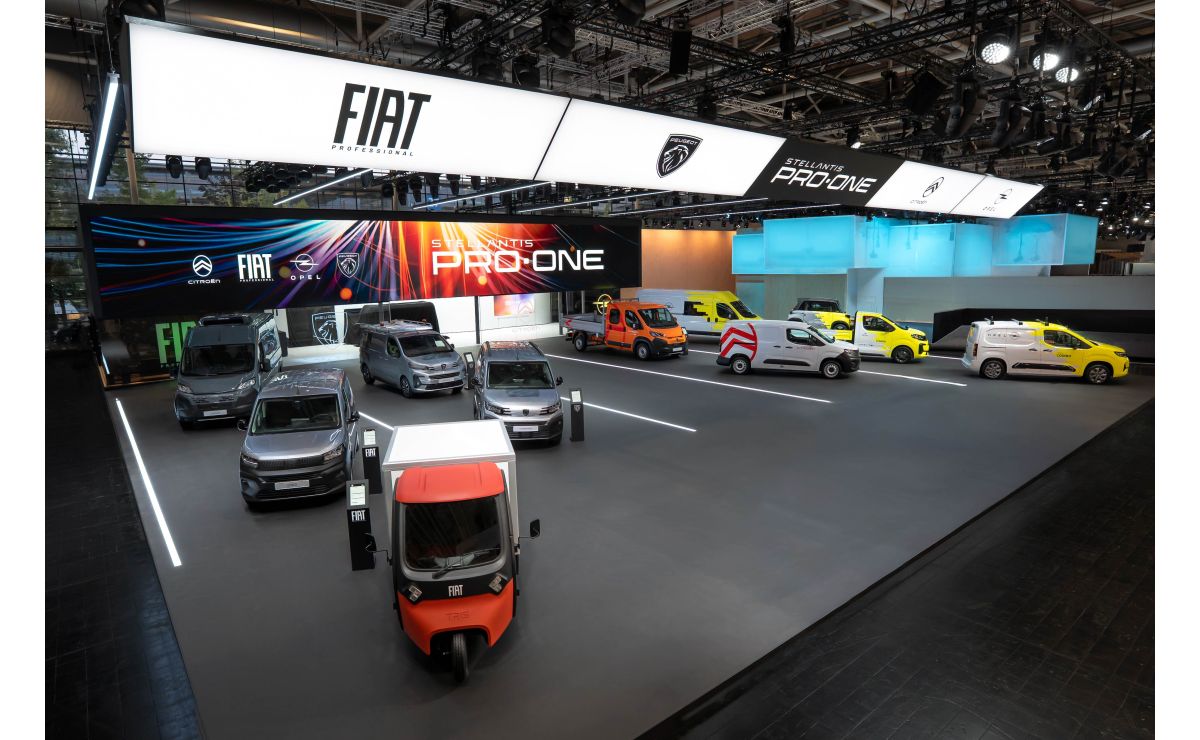
Stellantis Unveils Next-Gen Electric Vans at IAA Transportation
Stellantis Pro One made a significant statement at IAA Transportation 2026 in Hanover, Germany, unveiling an expansive fleet of electrified commercial vehicles. The automotive conglomerate showcased 13 distinct models spanning its Citroën, Fiat Professional, Opel, and Peugeot brands. This impressive display highlighted the group’s aggressive strategy to dominate European light commercial vehicle markets through flexible zero-emission mobility solutions.
As municipal zero-emission zones expand across major European metropolises, commercial fleet operators face mounting pressure to transition away from traditional diesel powertrains. Industry filings indicate that last-mile logistics providers urgently require highly adaptable platforms capable of handling diverse duty cycles. Stellantis addressed this market demand by presenting a comprehensive lineup ranging from ultra-compact urban micro-mobility units to heavy-duty electrified cargo haulers.
Urban Delivery Redefined with Micro-Mobility Innovations
Among the standout unveils in Hanover was the Fiat TRIS, an innovative three-wheeled electric vehicle tailored specifically for dense urban environments. Engineered to navigate tight municipal streets and narrow alleyways, the TRIS targets small business owners and urban delivery logistics firms. Its enclosed cargo compartment provides full weather protection for drivers while securing transported goods against environmental hazards and urban theft.
Despite its compact footprint, the TRIS boasts a payload capacity exceeding 500 kilograms and enough internal volume to accommodate two standard Euro pallets. Power originates from a compact 6.9-kilowatt-hour battery pack delivering a driving range of up to 90 kilometers per charge. Fleet operators can easily replenish the battery using standard 220-volt wall outlets, eliminating the need for expensive high-power charging infrastructure.
Maneuverability remains a primary selling point for the TRIS, featuring an exceptionally tight turning radius of just 3.05 meters. To serve diverse commercial applications, Stellantis offers the platform in multiple configurations, including cargo box, pickup, flatbed, and bare chassis cab variants. This versatility allows localized delivery businesses to tailor the vehicle precisely to their specific operational requirements.
Debut of the Modular Smart Compact Commercial Platform
The Hanover showcase also hosted the global premiere of the company’s all-new Smart Compact Van platform. Designed as a universal architecture, the van will be commercialized simultaneously across the Citroën, Fiat Professional, Opel, and Peugeot brand portfolios. According to corporate disclosures, the platform was meticulously engineered from the ground up to address the evolving day-to-day requirements of tradespeople and service technicians.
The fully electric version of the Smart Compact Van delivers a competitive driving range of up to 270 kilometers on a single charge. Recognizing varied market requirements, Stellantis designed the architecture to support multiple propulsion technologies, offering pure electric, traditional internal combustion, and upcoming mild-hybrid options. Regulatory disclosures confirm that the mild-hybrid powertrain variants will formally enter production during 2027.
Practicality remains central to the vehicle’s cabin architecture, which features a multi-configurable front passenger seat. Folding this seat flat creates an additional 0.5 cubic meters of cargo capacity while accommodating items up to 3.4 meters long. Alternatively, the cabin can transform into an ergonomic mobile workstation, giving trade professionals a functional office environment directly inside their service vehicle.
Specialized Conversions Target Dedicated Commercial Needs
Beyond smaller delivery vans, Stellantis emphasized full-size commercial mobility with upgraded electric models, including the Fiat Ducato and its sister platform equivalents. Rather than focusing solely on generic cargo transport, the display highlighted ready-to-work converted vehicles engineered for specialized vocational sectors. These factory-backed conversions demonstrate how battery-electric commercial platforms can replace conventional diesel workhorses without sacrificing operational utility.
A notable technical highlight was an electric Fiat Ducato converted into a fully operational refrigerated delivery vehicle. Unlike traditional transport refrigeration systems that rely on auxiliary diesel generators, this build draws power directly from the vehicle’s high-voltage traction battery. Industry analyst reports indicate this integrated approach significantly reduces maintenance complexity while eliminating secondary emissions during temperature-controlled delivery routes.
Stellantis also showcased purpose-built trade vehicles, including a specialized Peugeot Expert configured specifically for professional electricians and an Opel Vivaro dropside truck. While these specialized light commercial vehicles lack the dramatic flair of heavy long-haul electric highway tractors, industry analysts stress that these applications represent the most immediate, commercially viable path toward widespread commercial fleet electrification.
Connected Fleet Intelligence Drives Fleet Operational Value
Software integration formed another cornerstone of the company’s presentation through its updated Pro One NEXT connected vehicle ecosystem. Company reports state that approximately 800,000 commercial vehicles are currently integrated into this telematics network. The system aggregates real-time operational data to provide fleet managers with detailed insights into vehicle utilization, preventive maintenance schedules, and component health monitoring.
For electric vehicle fleets, the Pro One NEXT platform delivers critical data management tools required to optimize charging schedules and maximize uptime. Fleet directors can monitor battery state-of-charge across their inventory, predict optimal charging windows based on electricity tariffs, and ensure vehicle availability for scheduled routes. This digital infrastructure helps commercial operators minimize operational overhead and total cost of ownership.
Autonomous Frontiers and the Future of Commercial Freight
Looking toward future logistics paradigms, Stellantis introduced the autonomous Box-on-Wheels, or BOW, concept vehicle at the event. Developed in collaboration with robotics firm UQI Robotics, the driverless battery-electric shuttle was demonstrated performing automated material movement. The platform represents an exploration into fully automated depot logistics and last-mile package distribution, operating entirely without human driver intervention.
The diverse lineup displayed in Hanover demonstrates a pragmatic approach to commercial vehicle electrification. By focusing heavily on depot-returning light commercial vehicles and last-mile urban delivery tools, Stellantis aligns its product strategy with current battery technology limitations and operational realities. These practical electric workhorses offer immediate emission reductions where urban delivery demands are highest.
