
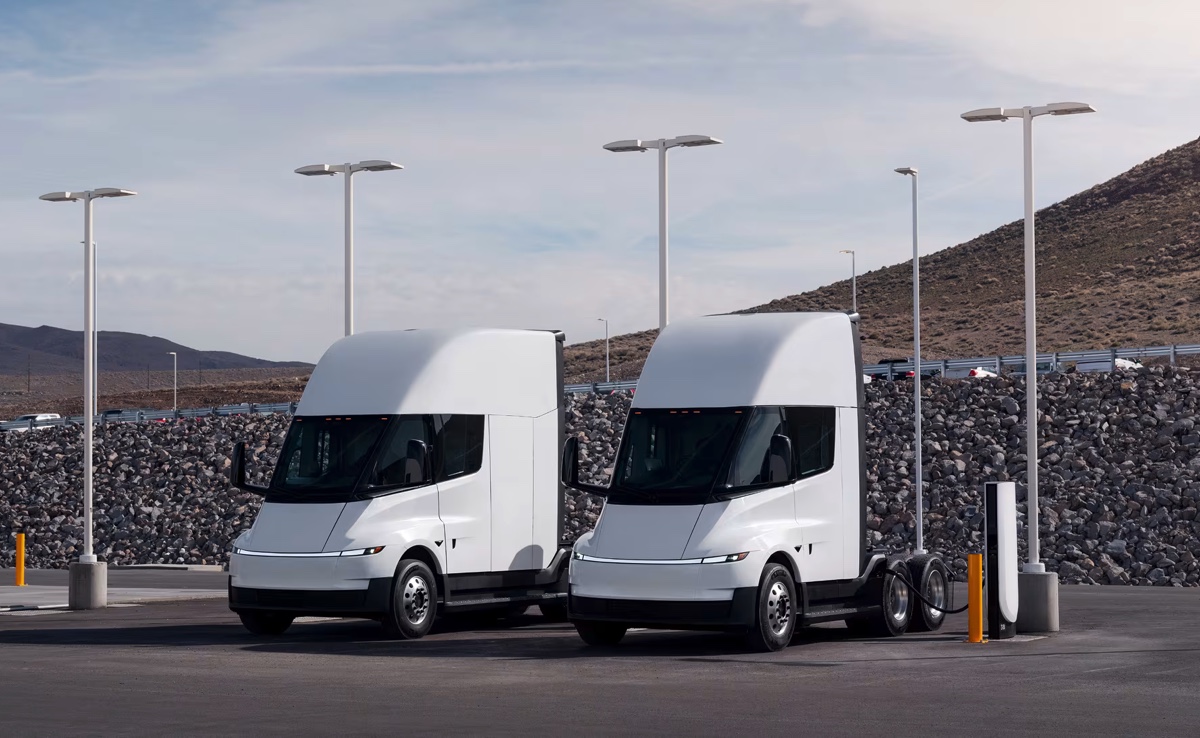
Tesla Expands Public Megacharger Network With Forum Mobility
Accelerating Heavy-Duty Fleet Electrification
The commercial transportation sector is reaching a pivotal moment in its transition toward zero-emission freight operations. Tesla is significantly bolstering its heavy-duty electric vehicle infrastructure through a strategic partnership with commercial fleet developer Forum Mobility. This collaborative effort marks a crucial expansion of public charging access for class 8 electric trucks across major North American shipping corridors.
Under the expanded program, four brand-new commercial charging facilities are breaking ground to support freight operators. These dedicated infrastructure hubs aim to bridge the gap between heavy-duty electric truck manufacturing and the high-power charging grid required to maintain continuous logistics schedules. The project underscores a shift toward shared public infrastructure for heavy electric transport.
Rather than reserving these ultra-high-power stations exclusively for its proprietary vehicle fleet, Tesla is opening access to third-party commercial fleets. Industry filings indicate this open-access model will encourage faster electrification among logistics operators, reducing initial capital expenditures for fleets transitioning away from traditional diesel-powered long-haul freight trucks.
Strategic High-Capacity Charging Depots
The new development program will inject approximately 30 megawatts of combined electrical capacity across strategic logistics hubs in Northern and Southern California, alongside an expansive facility in New Mexico. This massive power allocation ensures that multiple heavy-duty trucks can recharge simultaneously without encountering regional grid bottlenecks during peak operational hours.
Key locations for the upcoming deployment include key freight destinations in Oakland and Ontario, California. Both facilities will offer public access to Megawatt Charging System hardware, positioned near critical maritime ports and inland logistics centers. This placement is specifically engineered to serve high-volume drayage routes that connect marine terminals to distribution hubs.
The fourth depot, situated in Santa Fe, New Mexico, represents a major cross-state corridor expansion. Industry reports confirm that this facility already has contracted fleet commitments covering more than 330 Tesla Semi units. Despite this heavy baseline utilization, the Santa Fe hub will maintain dedicated public charging access for other commercial fleet operators traversing the region.
Beyond the new groundbreakings, Forum Mobility is enhancing its operational flagship facility at the Port of Long Beach. Operating since late 2024 with 44 Combined Charging System ports and 9 megawatts of capacity, the Long Beach site is now integrating two official Tesla Megacharger units to drastically increase power delivery options.
Next-Generation Megawatt Charging Architecture
Central to this network expansion is the deployment of dual charging standards, combining traditional Combined Charging System connectors with next-generation Megawatt Charging System infrastructure. This dual-format approach allows existing commercial electric fleets to utilize the facilities while paving the way for ultra-fast charging capabilities designed for next-generation electric semi-trucks.
Site designs feature specialized pull-through charging lanes tailored specifically for full-length tractor-trailer combinations. This crucial layout improvement allows commercial drivers to pull directly into charging bays without unhooking their cargo trailers, saving valuable operational downtime and dramatically improving overall terminal throughput during busy shift rotations.
Technical specifications highlight the extraordinary power capability of the new hardware. According to industry disclosures, the Megawatt Charging System standard can restore up to 60 percent of a fully loaded electric truck's driving range in roughly 30 minutes. This rapid energy replenishment aligns closely with mandatory driver rest periods mandated by commercial transportation regulations.
Pre-Assembled Hardware Speeds Up Deployment
To streamline the rollout of high-capacity charging infrastructure, Tesla is deploying modular, pre-assembled Megacharger units. By assembling critical electrical components and high-voltage power electronics off-site in controlled manufacturing environments, installation teams can drop completed charging stations directly onto prepared concrete pads. This modular approach significantly reduces on-site construction timelines and minimizes local grid integration delays.
This prefabricated construction methodology drastically reduces civil engineering overhead and localized site disruption. Rapid deployment capability is essential for meeting aggressive state-level zero-emission transport mandates, allowing infrastructure developers to bring high-megawatt capacity online months faster than traditional bespoke construction practices typically permit across complex municipal utility districts.
Cross-Border Reach and Commercial Scaling
As the domestic charging footprint expands across the American Southwest and Pacific coast, groundwork is also underway for international expansion. Regulatory disclosures reveal advanced planning to extend the heavy-duty charging corridor into Canada, targeting the high-density Highway 401 freight corridor in Ontario to support cross-border commercial transport routes. This move establishes the foundation for widespread commercial fleet operations across North America.
The aggressive expansion of dedicated high-power depots addresses one of the primary hurdles facing commercial fleet electrification: range anxiety combined with infrastructure scarcity. By proving that high-megawatt public charging is economically viable and operationally practical, infrastructure developers are laying the groundwork for mainstream zero-emission freight logistics. As shared Megacharger networks scale, commercial transport operators gain the confidence needed to replace legacy diesel fleets permanently.
