
Tesla Cybercab Early Passengers Spot Secret Virtual Controls
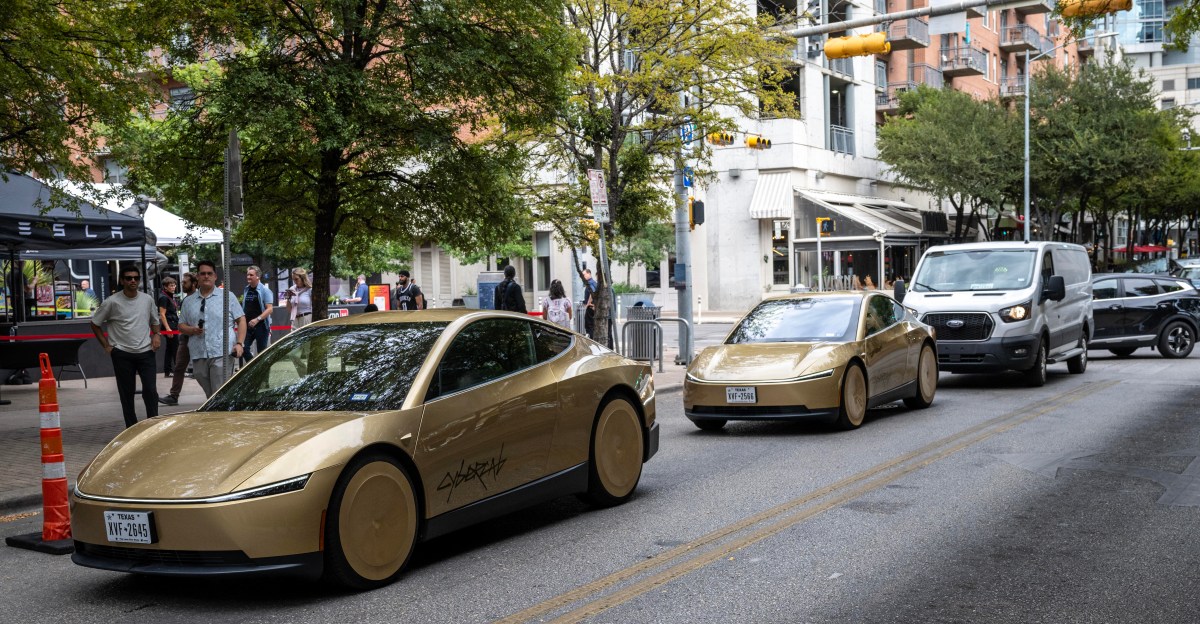
When the Tesla Cybercab officially debuted for passenger service in Austin, Texas, its defining feature was an absolute absence of traditional mechanical driver inputs. Engineers intentionally omitted the steering wheel, accelerator pedal, and brake assembly to signal a full transition into an autonomous era. Passengers were expected to enter the vehicle and let software handle every maneuver.
However, the practical reality of operating a fully autonomous fleet appears to require localized human intervention options. During the first few weeks of public passenger rides, early riders discovered that the vehicle contains a hidden manual control interface embedded within the infotainment system. The software feature surfaced inadvertently on passenger screens, exposing a virtual joystick control scheme.
This unexpected revelation has sparked intense interest among automotive analysts and technology observers monitoring the robotaxi rollout. While the Cybercab was marketed as completely devoid of human intervention capabilities, evidence from initial customer rides indicates Tesla retained a localized manual driving backup. The discovery highlights complex operational challenges inherent in deploying driverless vehicles into real-world settings.
Accidental Disclosure Reveals Secret Touchscreen Driving Mode
The unexpected interface appeared on the central console during standard passenger trips in Austin, drawing immediate attention across social media platforms. Video recordings captured by passengers show a distinct square graphic taking over the lower left portion of the central display. At the center sits a digital toggle control surrounded by explicit directional commands labeling forward and reverse.
Flanking the main directional joystick are critical auxiliary controls designed for physical vehicle management. These virtual buttons include a dedicated stop function, an electronic horn actuator, and manual door releases. Positioned alongside the control square is a window rendering camera views around the vehicle perimeter, offering situational awareness during low-speed maneuvers.
Passenger attempts to manipulate the onscreen controls during these rides proved completely unsuccessful, suggesting the interface requires separate employee authentication. In at least one instance, camera feeds appeared frozen on a previously visited charging station, indicating a software glitch. Analysts suggest an unreleased developer mode erroneously loaded onto consumer display profiles.
Operational Utility for Fleet Management and Service Depots
While the appearance of the virtual joystick on customer screens was unintentional, the underlying functionality serves an essential purpose for fleet operators. Managing autonomous vehicles inside dense staging areas, maintenance bays, and charging hubs requires frequent micro-adjustments. Navigating tight parking slots or positioning vehicles onto service lifts often demands immediate physical control rather than automated pathfinding.
Without physical pedals or a steering column, depot technicians would face significant operational bottlenecks when moving offline vehicles. Requesting trajectory adjustments through a remote command center or waiting for remote operators to connect adds unnecessary latency to basic staging tasks. Incorporating a localized virtual control scheme directly on the primary display provides personnel with a rapid maneuvering tool.
This touchscreen solution bypasses the expense and clutter of physical driving hardware while preserving baseline human operational flexibility. Fleet workers can authenticate access, engage the touchscreen joystick, and nudge the vehicle into precise alignments at low speeds. Industry reports indicate localized controls are vital for maintaining throughput in maintenance facilities during commercial deployments.
Implications for Emergency Responders and Municipal Safety
Beyond internal depot logistics, the presence of a localized virtual control interface addresses critical regulatory and safety concerns raised by municipal authorities. Emergency responders, including police officers and firefighters, regularly encounter scenarios where autonomous vehicles must be moved immediately to clear traffic lanes. Having an on-site manual interface allows first responders to relocate a stalled vehicle safely.
Municipal briefings conducted with local law enforcement prior to the Austin deployment focused heavily on vehicle containment and emergency protocols. While it remains unconfirmed whether local authorities received specific training on this touchscreen joystick, regulatory guidelines increasingly favor localized overrides. Providing emergency personnel with rapid touchscreen access eliminates dangerous delays during roadside incidents.
Safety experts emphasize that reliance on remote network connections can fail in emergency situations involving cellular outages or subterranean structures. A direct, localized software interface ensures authorized personnel retain control over the vehicle regardless of network connectivity. As autonomous vehicle regulations evolve across major metropolitan areas, localized manual overrides may transition into strict regulatory mandates.
Pragmatic Engineering Meets Pure Autonomous Ambition
The physical architecture of the Cybercab was deliberately styled to convey an uncompromising vision of an automated future. By removing traditional controls, the design sends a clear message that human intervention is an obsolete concept in modern transit. Yet the reality of vehicle manufacturing, maintenance, and real-world edge cases demonstrates that software still requires practical human access points.
Tesla’s implementation of a virtual joystick represents a pragmatic compromise between pure design vision and operational necessities. Rather than compromising interior aesthetics with temporary plug-in controllers or hidden mechanical shafts, engineers integrated the required capability directly into existing hardware. This flexible approach allows the vehicle to remain visually futuristic while retaining indispensable utility under the surface.
As software updates roll out across the robotaxi fleet, developers will likely patch the display bug to prevent public exposure. However, the momentary appearance of the virtual joystick offers valuable insight into the operational realities of driverless transport. Fully autonomous vehicles may redefine mobility, but human oversight and localized manual control remain fundamental building blocks behind the scenes.
