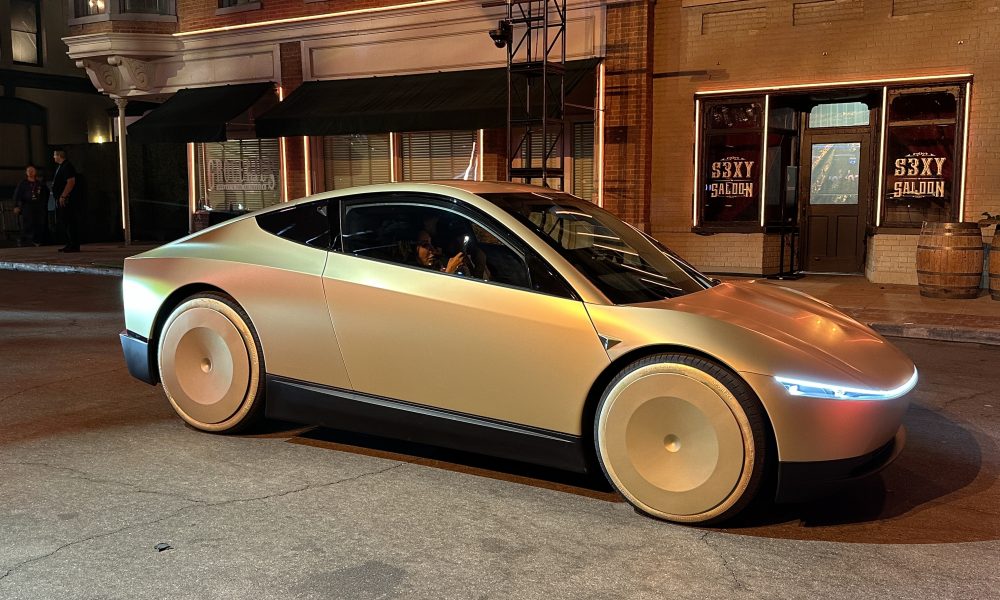
Tesla Cybercab Faces NHTSA Scrutiny Following Austin Debut
Tesla has officially launched its highly anticipated Cybercab, kicking off an ambitious era of unsupervised ride-hailing during an exclusive event held in downtown Austin, Texas. The quiet unveil marks a pivotal moment for the electric vehicle manufacturer as it shifts focus toward fully autonomous urban transit. However, this commercial rollout has immediately drawn the keen attention of federal transportation safety authorities eager to evaluate the novel platform.
The Cybercab introduces a revolutionary approach to automotive architecture by entirely removing traditional driver controls. Inside the cabin, passengers will find no steering wheel, brake pedal, accelerator, or conventional rearview mirrors. Instead, the cabin emphasizes a minimalistic passenger-centric layout optimized for automated transport, pushing the envelope of vehicle design further than mainstream production models have ever attempted in North America.
This radical departure from legacy vehicle design represents the culmination of Tesla's multi-year development toward a dedicated Robotaxi ecosystem. By removing human control hardware, the automaker aims to lower production costs and maximize interior cabin space for passengers. Yet, operating commercial vehicles without traditional manual backup mechanisms presents unprecedented questions regarding crashworthiness, occupant protection, and federal highway compatibility.
Federal Regulators Open Formal Audit Query
In response to the commercial launch, the National Highway Traffic Safety Administration has officially opened an Audit Query to examine the Cybercab's safety profile. The federal regulatory body wants to scrutinize the technical data and analytical processes Tesla utilized to self-certify the vehicle. This step signals that Washington intends to keep a watchful eye on fully autonomous commercial deployments.
According to official regulatory disclosures, Tesla began commercial operations with an initial batch of Cybercab vehicles in Austin on September 3, 2026. The automaker formally notified safety regulators that it had certified these vehicles as compliant with all relevant Federal Motor Vehicle Safety Standards. Additionally, Tesla informed federal officials of plans to gradually expand fleet operations to other regions.
The open query focuses primarily on how existing safety rules apply to a vehicle lacking human controls. Federal auditors plan to assess the degree to which Tesla's regulatory compliance relies on determining that specific legacy requirements are non-applicable. Because federal rules historically assumed a human driver present behind a wheel, the Cybercab’s unique design forces regulators to create new evaluation frameworks.
Navigating Self-Certification and Federal Standards
In the United States automotive industry, vehicle manufacturers routinely utilize a self-certification process to confirm compliance with federal safety laws. This framework allows companies to bring technological advancements to market efficiently without enduring protracted pre-approval delays. However, self-certification also places the legal burden of proof directly on the automaker when non-traditional designs enter commercial public service.
Given that the Cybercab operates without mirrors, pedals, or manual steering devices, regulators must verify that safety performance matches or exceeds traditional vehicle benchmarks. The agency’s investigation seeks to audit the engineering validations and simulation testing Tesla performed prior to vehicle deployment. Ensuring structural safety during potential collisions remains a primary concern for officials scrutinizing these cabin modifications.
Industry analysts view this regulatory inquiry not as an outright rejection of the Cybercab, but as a necessary supervisory procedure. When breakthrough technologies emerge, regulatory oversight provides essential guardrails to validate safety claims. By placing the vehicle under an audit microscope, federal authorities ensure that autonomous ride-hailing platforms meet rigorous safety criteria before achieving widespread commercial scale.
Commercial Fleet Operations Begin in Austin
Public documents submitted to the State of Texas over the past week confirm that Tesla has added 45 Cybercab units to its local ride-hailing network in Austin. These specialized vehicles join the company's broader Robotaxi-enabled fleet operating within designated urban service zones. This initial fleet size allows engineers to monitor operational reliability while providing real-world transit services.
The ongoing operations in Austin serve as a real-world testing ground for unsupervised autonomous mobility. Early operational data accumulated from daily customer trips will provide critical insights into system performance under real traffic conditions. Urban navigation, pedestrian interactions, and weather adaptability will all be rigorously evaluated as the driverless service expands its service radius across Texas.
Data collected during these early stages of deployment will likely be shared directly with regulatory investigators to support safety evaluations. Comprehensive telemetry from passenger rides can help establish empirical benchmarks for autonomous driving reliability. Transparent collaboration between automakers and federal agencies is widely considered crucial for establishing national standards governing driverless vehicle fleets.
The Broader Road Ahead for Autonomous Transport
The Cybercab rollout represents a major turning point for the commercial adoption of pedal-less and wheel-less vehicles nationwide. As Tesla seeks to expand its Robotaxi operations to additional municipalities, federal regulatory clarity will play a defining role in shaping expansion timelines. Resolving regulatory inquiries in Texas will establish important legal precedents for future autonomous vehicle deployments across the country.
Ultimately, the dialogue between Tesla and transportation safety authorities highlights the delicate balance between rapid technological innovation and public protection. As autonomous platforms transition from experimental prototypes to everyday commercial infrastructure, transparent oversight ensures consumer safety remains paramount. The ongoing audit will likely dictate how future autonomous mobility platforms navigate the path toward full regulatory acceptance.