
Tesla Roadster Rocket Thruster Testing Spotted Ahead of Reveal
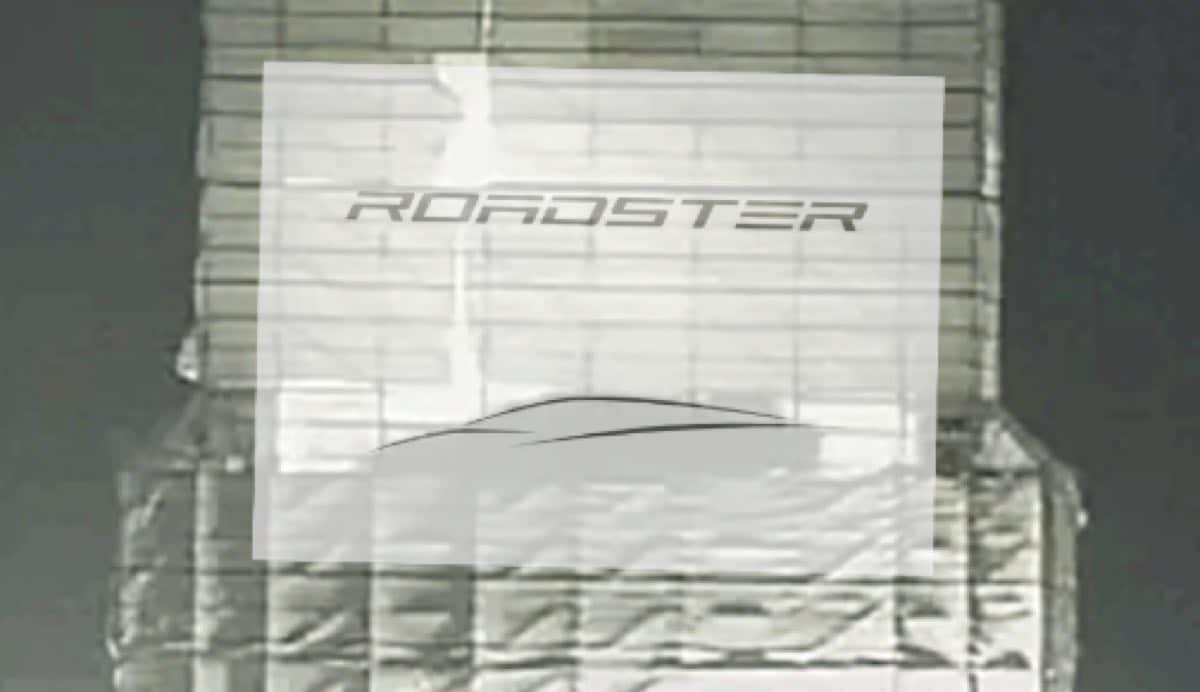
Newly resurfaced video footage from early spring has sparked intense speculation regarding the development of Tesla’s next-generation Roadster. Filmed at a remote aerospace facility in Texas, the recording captures a large covered structure housing a covered vehicle frame raised vertically inside a specialized rig. The footage has gained renewed scrutiny as automotive analysts connect the high-tech testing apparatus directly to upcoming supercar demonstrations.
The video, recorded in mid-April, illustrates an unidentified object maneuvering within a gantry lifting frame while gas exhaust vents through the top canvas. While initial observers questioned whether the object was a rocket component, subsequent analysis overlaid with official vehicle schematics revealed striking structural similarities. The chassis dimensions and mounting points closely align with the aerodynamic profile of the upcoming electric supercar.
Video Footage Points to Secret Rocket Testing
Speculation reached a tipping point following an announcement confirming that official invitations were sent to reservation holders for an upcoming reveal in Waco, Texas. Observers immediately questioned why the automaker chose Waco over its primary manufacturing headquarters in Austin. The choice becomes clear given that a major rocket development facility operates just thirty-five minutes outside the city limits.
Industry analysts note that choosing a site near an active propulsion testing center strongly indicates an event featuring extreme vehicle capabilities. Standard automotive facilities simply lack the heavy blast shielding, specialized sensor telemetry, and safety clear zones required to operate experimental cold gas systems safely. Holding the event in proximity to aerospace infrastructure allows for immediate access to specialized facilities.
Why the Unveiling Venue Points to Rocket Systems
Recent regulatory filings and operational reports suggest that engineers planned to demonstrate an extreme propulsion-assisted prototype under controlled conditions. Bringing guests to nearby Waco allows seamless transport to high-security testing grounds without attracting urban crowd control hazards. The alignment between the physical location and past testing timelines suggests the event location was selected with high-thrust demonstrations in mind.
The concept of mounting cold gas thrusters on a production road car has been discussed internally for several years. According to engineering disclosures, the optional performance package replaces the rear seats with a composite overwrapped pressure vessel. This heavy-duty tank stores compressed air at ultra-high pressures, routing gas through multiple structural nozzles integrated along the body to deliver instantaneous multidirectional force.
The Engineering Behind Cold Gas Thruster Tech
Unlike traditional internal combustion nitrous systems or electric motor torque, cold gas thrusters provide immediate mechanical impulse independent of tire traction. This auxiliary thrust can dramatically improve zero-to-sixty acceleration times, enhance high-speed cornering stability, and provide auxiliary braking power. By bypassing friction limitations, the system allows the vehicle to achieve performance dynamics previously deemed impossible for road-going passenger cars.
The hardware required for this system relies heavily on technology borrowed directly from orbital spacecraft landing systems. Pressurized cold gas thrusters use high-grade valves designed to release massive pneumatic bursts within milliseconds. Integrating these complex systems into a carbon-fiber vehicle chassis requires structural reinforcements to handle the extreme kinetic loads generated during active firing sequences.
Remote Flight Controls and Spectator Safety
Additional context from industry insiders suggests that early physical testing utilized gantry systems rather than free-flight thruster power alone. The lift frame seen in the April footage provided essential tethering and safety fallback capabilities. Engineers used this setup to calibrate impulse strength and dynamic balance before allowing the prototype vehicle to attempt untethered short-duration levitation maneuvers.
Due to the severe acoustic output of high-pressure gas release, live demonstrations will likely require strict safety protocols for spectators. Insiders report that attendees may be situated hundreds of yards away from the active launch pad. Remote control systems will maneuver the vehicle during high-output thruster tests, ensuring human operators remain clear of potentially hazardous pneumatic exhaust and extreme acoustic vibrations.
Safety compliance at private rocket testing grounds already encompasses blast walls, automated fire suppression, and acoustic monitoring equipment. Utilizing existing aerospace infrastructure minimizes regulatory hurdles for performing high-decibel demonstrations. Testing the prototype within a secured perimeter ensures that any unannounced aerodynamic or thrust control anomalies can be contained safely by specialized site emergency crews.
Teaser Graphics Hint at Back to the Future Levitation
Promotional material released ahead of the unveiling event has fueled public interest even further. Official teaser imagery features distinct exhaust plumes firing downward alongside promotional text declaring a readiness for launch. Hidden within the marketing imagery is a subtle pop-culture reference to iconic cinematic time travel, strongly suggesting the vehicle will perform short-duration hovering or levitation maneuvers during its debut.
While the early spring footage does not provide absolute proof of an untethered flight test, the combination of location, timing, and structural overlay makes the footage compelling. The upcoming October showcase promises to finally answer whether rocket-assisted automotive technology can transition from an ambitious engineering concept into a functional, production-ready hypercar reality.
