
Tesla Robotaxi App Expands To Android Users In Canada
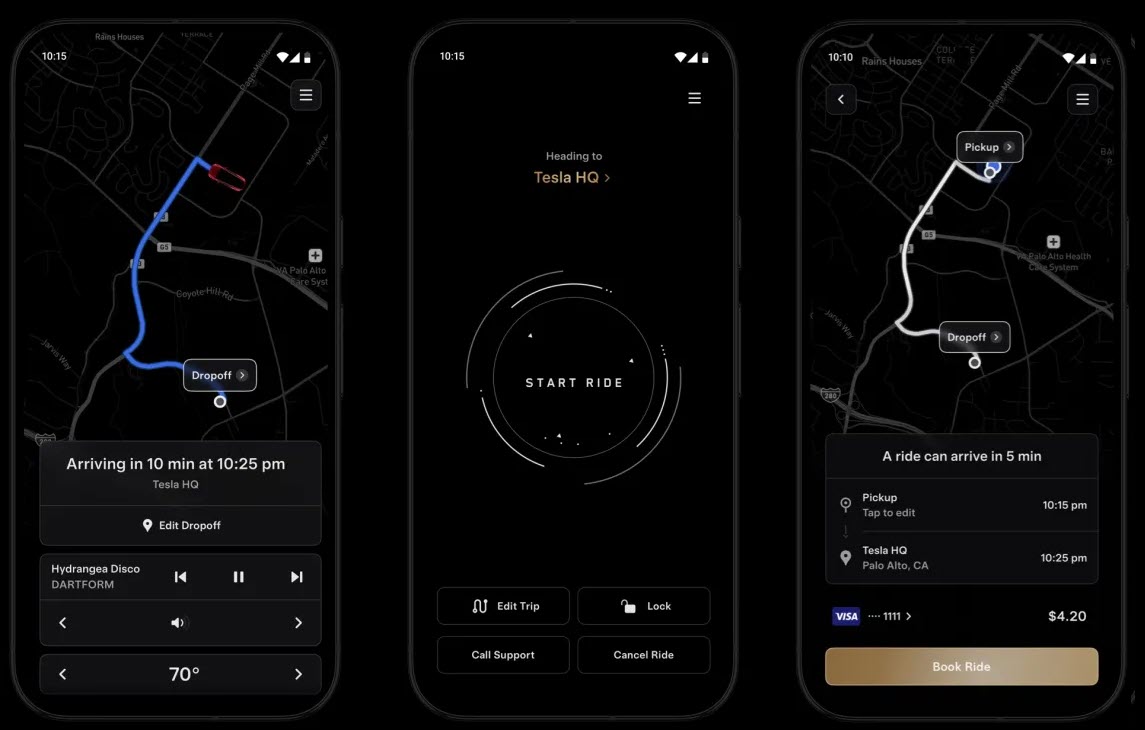
Tesla has officially launched its dedicated Robotaxi application on the Google Play Store for Canadian users, filling a notable software gap in North America. The quiet release allows Android smartphone owners north of the border to download the software for the first time. This expansion comes nearly five months after the platform debuted for Android users in the United States and roughly a year after its initial debut on iOS.
The arrival of the application marks a key administrative milestone for the electric vehicle manufacturer as it unifies its mobile software platform across major operating systems. Recent app store data indicates that global downloads across both ecosystem platforms have already surpassed 50,000 users. Canadian Android owners can now install the application directly using official distribution channels, eliminating previous regional download workarounds.
Industry filings clarify that the availability of the application does not signal an immediate commercial rollout of autonomous rides inside Canadian borders. Regulatory permissions and operational approvals for driverless passenger transport remain distinct challenges within individual provinces. Instead, the Canadian listing ensures software feature parity, permitting international travelers to access rides when visiting active deployment zones across select metropolitan regions within the United States.
Cross-Border Access and Software Parity
Canadian users can configure the application immediately by logging in with their existing corporate account credentials. The software securely syncs personal preferences, billing methods, and saved destinations prior to cross-border travel. Upon entering an operational service area in the United States, users can request fully autonomous rides directly from their mobile devices without needing to reconfigure payment infrastructure or create region-specific accounts.
The staggered software deployment highlights the operational priorities of modern automotive software development. Mobile teams frequently prioritize specific operating systems based on regional market share and hardware ecosystem compatibility. By initially focusing on iOS within Canada before extending support to Android, the manufacturer ensured software stability while gradually building out background server capacities needed to handle expanded user request volumes.
Cross-border software continuity remains a major focal point for ride-hailing platforms aiming to create unified global user experiences. Seamless digital account integration allows frequent international commuters and business travelers to utilize autonomous transport services effortlessly. This strategy helps foster platform familiarity among international consumer bases well before local regulatory frameworks permit full commercial deployment within their home countries.
Strategic Rollout of Autonomous Infrastructure
The broader release schedule reflects a methodical approach to rolling out complex transport infrastructure. When the Android application first appeared in American app stores earlier this year, strict geolocation rules restricted installation to local accounts. Unlocking access to Canadian users represents a logical phase in preparing North American travelers for broader vehicle automation ecosystems across multi-state travel corridors.
Analyst reports suggest that laying the digital software groundwork in neighboring markets creates immediate operational advantages. By establishing an active installation base across multiple countries, developers gather vital diagnostic data on user interface navigation, authentication performance, and network latency. These metrics prove crucial when refining backend server communication models that handle real-time vehicle dispatching and route monitoring.
Furthermore, building user familiarity with ride-hailing interfaces helps smooth the transition toward autonomous mobility solutions. As consumer comfort with smartphone-directed transport increases, software developers continue refining features like remote climate pre-conditioning, vehicle summon tools, and dynamic journey tracking. Expanding app availability ensures that potential riders are already onboarded into the proprietary digital ecosystem.
Ecosystem Expansion and Mobile Interface Integration
The mobile software update coincides with broader technological advancements across the automaker's software portfolio. Recent regulatory disclosures highlight ongoing efforts to integrate third-party wearables, including smartwatch key access, alongside upgraded vehicle safety protocols. This broader connectivity push underscores a strategic goal: creating an interconnected digital framework where smartphones, wearables, and autonomous vehicles communicate securely in real time.
Enhanced mobile interfaces are designed to streamline how passengers interact with driverless fleets from start to finish. From managing entry access to controlling in-cabin infotainment systems remotely, the smartphone serves as the primary control center for autonomous journeys. Ensuring complete feature parity between iOS and Android platforms is essential to maintaining high user satisfaction ratings across diverse demographic groups.
Infrastructure improvements are also keeping pace with software enhancements across the broader electric mobility sector. Recent engineering filings reveal innovations aimed at reducing charging station installation costs and optimizing energy distribution grid dynamics. Lower deployment overhead combined with intelligent grid utilization ensures that future autonomous vehicle fleets can maintain high operational uptime while minimizing overall fleet management expenditures.
The Future of International Autonomous Mobility
While Canadian consumers now have access to the mobile interface, full commercial service within the country depends on evolving regulatory frameworks. Provincial transport authorities continue reviewing safety metrics and operational criteria for fully autonomous passenger vehicles. Industry observers anticipate that regulatory approvals will follow extensive testing phases in designated urban testbeds prior to widespread public availability.
Until local commercial authorization is granted, international app availability serves as a bridge for cross-border travelers and tech enthusiasts. The arrival of the Android application in Canada closes a major accessibility gap, ensuring that all mobile users have equal access to the evolving autonomous transport ecosystem. As software capabilities expand, unified app deployment will remain a foundational pillar of global mobility strategies.
