Tesla Cybercab Faces Federal Safety Probe Following Deployment
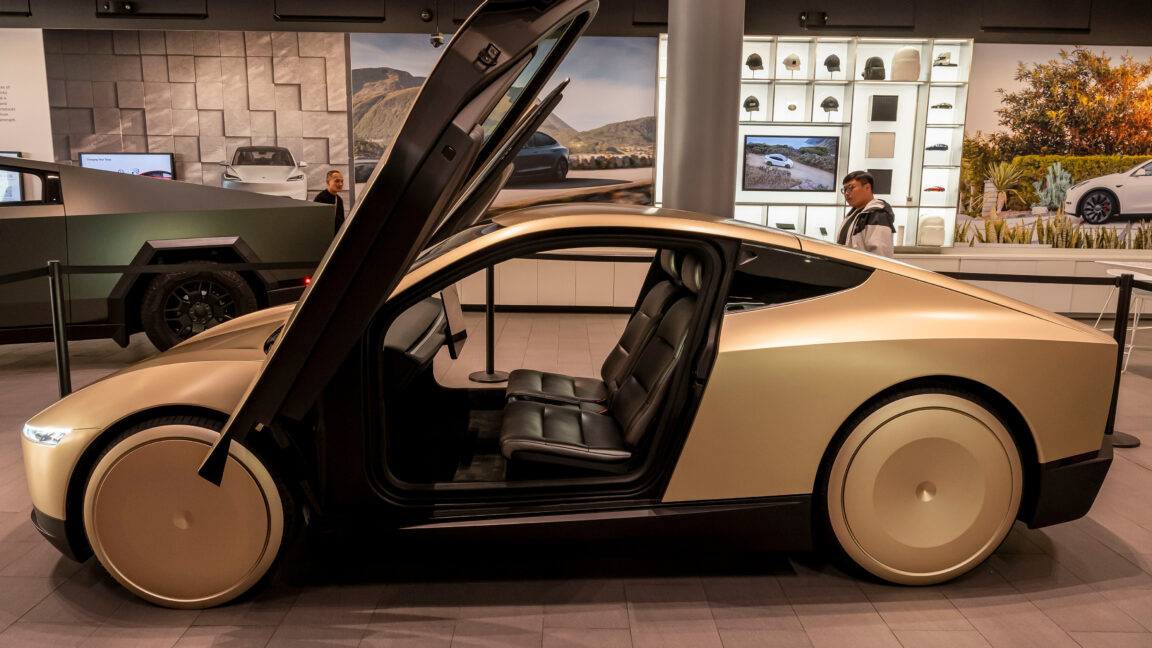
Tesla has officially launched its highly anticipated Cybercab, giving public rides in downtown Austin as part of its expanding autonomous transportation initiative. The sleek two-seater vehicle features a futuristic interior built entirely without traditional driving controls like steering wheels or brake pedals. However, the commercial debut was almost immediately overshadowed by intense federal oversight, placing the electric vehicle pioneer in direct conflict with safety regulators.
Federal oversight agencies confirmed an immediate inquiry into the Cybercab’s design, questioning whether the vehicle satisfies existing automotive safety requirements. The investigation launched just hours after supporters gathered to experience driverless transit firsthand. Tesla intends to integrate these bespoke driverless models into its broader ride-hailing network, targeting operational rollouts across expanding urban markets in Texas and Florida over the coming months.
According to official state database disclosures, Tesla currently maintains a modest fleet of 45 Cybercabs operating within Texas. Despite this limited initial footprint, the company’s long-term corporate strategy calls for scaling production to millions of autonomous units annually. This ambitious transition positions the enterprise less as a conventional car manufacturer and more as a dedicated robotics and autonomous mobility service provider.
The Technical Standard and Exemption Conflict
The core of the dispute involves federal motor vehicle safety standards that were written long before fully autonomous cars became practical. Regulators at the National Highway Traffic Safety Administration are actively revising eight key standards to accommodate driverless technologies. These updates aim to remove mandated legacy hardware like rear-view mirrors, windshield wipers, and foot pedals, but old statutory requirements remain legally binding today.
Automakers deploying unconventional vehicle designs normally submit formal applications seeking temporary exemptions from established safety rules. Amazon subsidiary Zoox secured the first such regulatory waiver earlier this year, permitting a capped deployment of 2,500 steering-wheel-less vehicles. By securing explicit approval, Zoox established a compliant pathway for operating vehicles lacking traditional manual controls on public roads under strictly monitored conditions.
Tesla, in contrast, elected to bypass the standard waiver application process entirely prior to deploying the Cybercab to consumers. Executive statements indicate the manufacturer maintains its custom vehicles already comply fully with existing safety regulations, making special exemptions unnecessary. This unorthodox legal posture has sparked sharp criticism from former regulatory officials who view the decision as a bold challenge to federal authority.
Audit Query Mechanics and Enforcement Risks
In response to Tesla's self-certification, regulatory authorities opened a formal Audit Query to thoroughly analyze the underlying engineering data. Government filings confirm the probe will scrutinize the internal testing methodologies and technical reasoning Tesla utilized to claim compliance. Regulators must determine whether a vehicle built without physical backup controls can legally operate without prior federal approval under existing statutes.
Regulatory leadership emphasized that while the government encourages automated transportation development, safety mandates remain non-negotiable. Former high-ranking regulatory officials noted that the agency expects all autonomous developers to follow the established exemption process. Bypassing that procedure creates significant tension with officials who view standardized oversight as essential for protecting passengers and pedestrians on public roadways.
The outcome of an Audit Query can carry severe commercial and legal ramifications for any automotive manufacturer. Federal regulators possess broad statutory power to mandate engineering retrofits, order vehicle recalls, or issue heavy financial penalties. Past enforcement actions against major vehicle manufacturers have resulted in multi-million-dollar fines along with years of mandatory third-party operational compliance monitoring.
Commercial Ambitions Versus Regulatory Realities
The Cybercab represents the central pillar of Tesla’s strategic pivot away from traditional auto manufacturing toward artificial intelligence. Corporate leadership has repeatedly emphasized that future valuation relies on autonomous ride-hailing revenue rather than private car sales. However, persistent regulatory hurdles could severely delay full-scale deployment plans if federal agencies determine the Cybercab cannot legally operate without physical control systems.
Analysts note that operating driverless vehicles without steering wheels exposes companies to heightened legal vulnerability during accidents. Without explicit federal waivers, any incident involving an unexempted vehicle could lead to immediate grounding orders from transportation authorities. Consequently, Tesla’s self-certification strategy carries substantial operational risks that could disrupt its autonomous ride-hailing timeline across key regional test markets.
The ongoing probe also highlights a broader legislative struggle to keep pace with rapid technological innovation in transportation. While federal agencies work to modernize safety codes, current laws create an awkward transitional phase for vehicle design. Autonomous developers must balance the desire for rapid commercial rollout against the strict procedural demands of federal bureaucracy and existing safety codes.
The Broader Future of Autonomous Vehicle Deployment
As Tesla attempts to expand its ride-hail service from Texas into Florida, the regulatory scrutiny will likely intensify. Local municipalities and state transit boards frequently rely on federal safety compliance certifications before granting local operating permits. If federal regulators challenge Tesla’s compliance determination, regional authorities may delay municipal approval for public robotaxi services in prospective expansion cities.
The standoff between Tesla and federal safety regulators marks a decisive moment for the entire autonomous vehicle sector. How the agency handles Tesla's self-certification approach will set a critical precedent for rival driverless developers. The industry now watches closely to see whether regulatory authorities will force physical design changes or establish new pathways for unconventional vehicle safety.
