
Tesla Autopilot Fatal Crashes Hit Record Monthly High
Federal regulatory filings reveal that July 2026 marked the highest single-month total for Tesla driver-assist crashes on record. Automaker disclosures submitted to federal safety authorities logged 236 separate incidents involving its Level 2 driver-assistance suites. The unprecedented spike highlights growing scrutiny surrounding automated driving technologies as real-world miles and fleet deployments expand rapidly across North American roadways.
Among the reported incidents in July, four separate collisions resulted in human fatalities. Internal vehicle telematics confirmed that either Tesla’s basic Autopilot or its more advanced Full Self-Driving software was actively engaged within 30 seconds of impact. Despite the severity of these tragic events, public local law enforcement reports initially omitted any mention of automated driver-assist system involvement until regulatory mandates forced disclosure.
Under a 2021 Standing General Order issued by federal transportation regulators, vehicle manufacturers must submit detailed safety data whenever advanced driver-assist features are active prior to a crash. Tesla’s monthly crash report totals have climbed steadily throughout the year. Regulatory disclosures registered 135 incidents in March, rising to 207 in May and 209 in June before reaching July's unprecedented record peak.
Tracing The Four Fatal Crashes In July
On July 12 in Upper Marlboro, Maryland, a Tesla Model 3 operating as a rideshare attempted a left turn onto Governor’s Park Lane from Route 301. The vehicle failed to yield to an oncoming motorcycle, resulting in three fatalities: motorcyclist Matthew Vowell, passenger Krystal Vowell, and Tesla passenger Adriana Maxwell. Vehicle telematics confirmed driver-assist engagement at 20 mph during the unprotected turn maneuver.
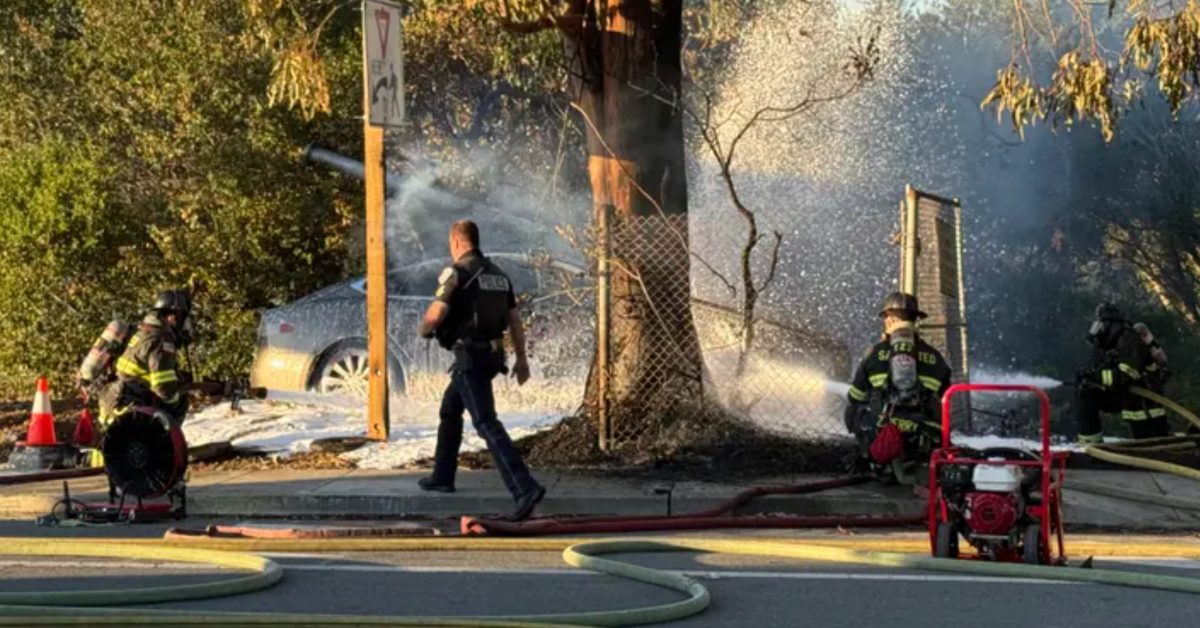
Three days later on July 15 in San Mateo, California, a 2016 Tesla Model S departed the roadway at 52 mph, colliding with a street light pole before catching fire. The driver died at the scene. Industry analysts note that road departures striking fixed objects represent the single most common collision category recorded throughout the federal driver-assist regulatory database since reporting began.
In Ione, California on July 22, a newly produced 2026 Tesla Model Y traveling at 54 mph crossed the highway center line. Law enforcement records indicate the vehicle sideswiped a Honda before striking a Cadillac head-on. Driver Shelby Waldie was killed and a two-year-old child was hospitalized, with driver-assist systems verified as active immediately preceding the cross-centerline event.
The fourth fatal crash occurred on July 20 near Ashby, Minnesota. A westbound Ford collided with an eastbound Tesla traveling at 50 mph inside an Interstate 94 work zone. Tesla driver Harold Ennulat and the Ford driver were both killed. While state patrol reports suggest the Ford breached lane boundaries, vehicle telematics verified automated driver-assist engagement at impact.
Heavy Redactions Mask Critical Software Details
Despite submitting mandatory logs, automakers retain the ability to redact key contextual fields within public federal crash databases. In all four fatal July incidents, official filings omitted the specific software build version, detailed crash narratives, and geographical operational boundaries. These redactions prevent independent researchers and consumers from evaluating exact system capabilities or identifying repeated algorithmic failure patterns.
By keeping narrative explanations redacted, safety advocates argue that critical operational context remains hidden from public oversight. For instance, unprotected left turns across oncoming lanes represent complex urban driving maneuvers handled by advanced software iterations, yet public files do not clarify whether basic cruise control or expanded autonomous software was responsible for individual collision incidents.
This heavy reliance on confidentiality contrasts sharply with reporting practices from competing automotive manufacturers. Rival brands deploying comparable connected-fleet systems, such as General Motors with Super Cruise, regularly provide unredacted crash narratives to federal databases. Public transparency standards remain a contentious dividing line across the rapidly expanding autonomous driving sector.
Discrepancies In System Injury Tracking
A critical systemic issue identified within regulatory disclosures involves how total casualties are recorded. Current federal reporting templates feature a single data entry point for the highest injury severity per crash report. Consequently, multi-fatality collisions like the Maryland incident, which claimed three lives, and the Minnesota crash, which claimed two, each register as only one fatal event.
This structural limitation creates an inherent undercount of human casualties within aggregate driver-assist crash databases. Because aggregate statistical tables only count single crash instances rather than total lives lost, safety metrics frequently cited in corporate public relations materials and comparative safety assessments present an artificially reduced mortality count across total autonomous driving miles logged.
Regulatory Pressure Mounts For Fleet Safety Data
As federal regulators continue evaluating automated driver-assistance safety, pressure is mounting for standardized, unredacted reporting across the automotive industry. Independent safety researchers emphasize that clear data, accurate fatality counts, and complete software transparency are essential to ensuring that advanced vehicle technologies genuinely improve roadway safety rather than concealing operational vulnerabilities behind legal redactions.
