
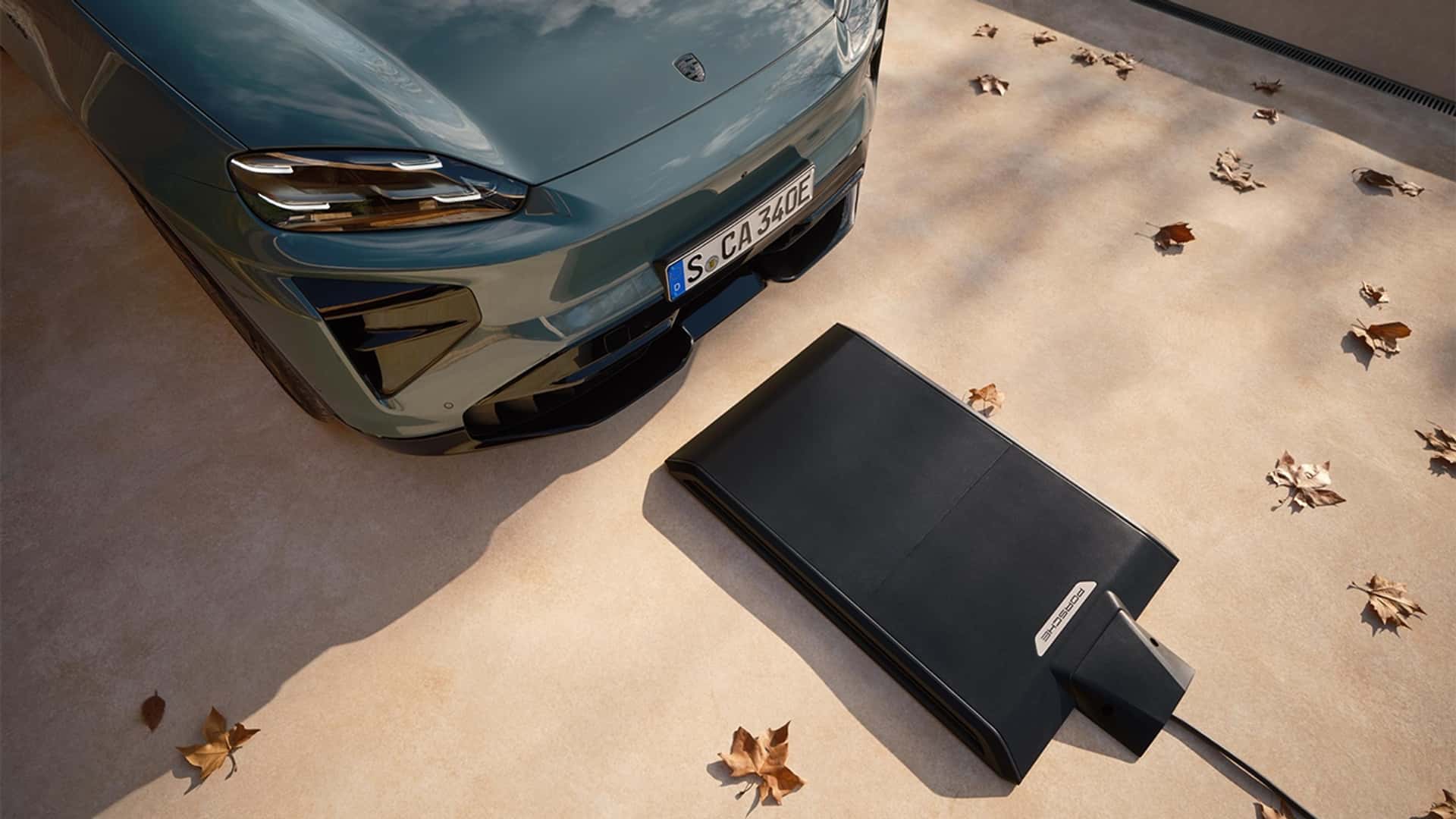
Porsche Cayenne Electric Wireless Charging System Launches
The electric vehicle landscape has reached a major milestone as high-power wireless charging transitions from experimental pilot programs to commercially available equipment. Official manufacturer announcements confirm that the ground pad system for the Porsche Cayenne Electric is now available to order in Germany and select European markets, marking a significant advancement in convenience for luxury electric SUV owners.
While inductive charging solutions previously saw limited deployment in specific Asian markets, this launch introduces commercial-grade resonant inductive technology to European driveways. Although the Cayenne Electric vehicle architecture was engineered from its inception to support magnetic resonance charging, owners previously lacked access to the physical transmitter infrastructure required to enable automated, cable-free energy transfers.
High-Efficiency Power Delivery Beyond Smartphone Tech
Consumer skepticism surrounding wireless power transfer typically stems from experience with small electronics, where inductive smartphone pads frequently struggle with thermal losses and reduced efficiency. However, automotive-scale wireless charging operates under vastly superior engineering parameters. Official technical specifications reveal that the Cayenne Electric wireless system achieves an impressive 90 percent energy transfer efficiency rate during peak operation.
This high efficiency is made possible by larger primary receiver plates, optimized magnetic coil alignments, and favorable airflow gaps that naturally dissipate ambient heat during operation. By minimizing resistance losses, the system delivers energy transfer performance comparable to traditional wired Level 2 alternating current equipment, ensuring vehicle owners do not suffer noticeable utility penalties for added convenience.
In terms of operational speed, the inductive system delivers up to 11 kilowatts of continuous power directly into the vehicle battery system. That output is substantial enough to fully replenish the Cayenne Electric's massive 113.0-kilowatt-hour battery pack overnight, allowing drivers to return home with a low state of charge and wake up to a fully replenished vehicle.
Safety Innovations and Ground Pad Architecture
The physical hardware located on the garage floor is engineered to withstand harsh real-world conditions. Designed as a heavy-duty, waterproof pad, the ground assembly is rated to support the full gross vehicle weight of the Cayenne Electric without structural deflection. Drivers do not need to worry about structural damage if a tire accidentally rolls directly over the unit.
Safety features integrated into the hardware address potential hazards associated with high-frequency electromagnetic fields. Technical documentation indicates that the floor pad features advanced living creature detection sensors designed to instantly cut power if a pet wanders beneath the vehicle chassis, eliminating thermal risks to curious domestic animals seeking shelter beneath a warm parked car.
Furthermore, the system incorporates real-time foreign object detection algorithms designed to identify metallic debris in the magnetic field. If items such as aluminum foil or fallen metal tools land on the pad during operation, power transfer deactivates immediately, preventing localized inductive heating of metal objects and keeping garage environments completely safe throughout the charging cycle.
Parking Precision and User Experience Integration
While the underlying technology is complex, the user experience emphasizes operational simplicity. Cable management represents a persistent friction point of daily electric vehicle ownership. Rolling up wet charging cords in winter conditions or wrestling with stiff cables in confined garage spaces detracts from modern luxury convenience, making passive ground-based charging an appealing quality-of-life upgrade for prospective buyers.
One crucial aspect of daily usage revolves around alignment precision between the vehicle receiver and the ground pad. Automotive filings indicate that the vehicle utilizes digital display cues and onboard camera systems to guide the driver over the activation zone. Once aligned, the vehicle automatically establishes high-voltage power transmission without requiring manual driver intervention or mobile app triggers.
Early engineering tests indicate that minor misalignments are automatically compensated for by adaptive magnetic guidance fields. This compliance tolerance ensures that drivers do not need surgical precision when pulling into home parking spots. As long as the vehicle enters the designated target zone, the system calculates optimal coupling efficiency and initiates power transfer smoothly.
Global Rollout Strategy and Regional Timelines
Current commercial availability remains localized to Germany and neighboring European territories, serving as an initial launch phase. Industry analysts note that regional regulatory approvals and localized electrical grid certifications dictate the global deployment schedule. European infrastructure standards allowed an expedited path to market, giving local buyers first access to this premium factory accessory.
For North American buyers, patience will be required as regulatory disclosures point toward a later introduction window. Expected to cross the Atlantic during the second half of 2027, the system must complete domestic compliance testing before entering retail channels. Distributors are currently working through installation certification standards to satisfy local electrical codes.
The Future of Hands-Free Automotive Charging
The launch of functional wireless charging for high-end electric vehicles represents a crucial step toward fully autonomous mobility ecosystems. As self-driving vehicles evolve from driver-assist platforms to fully automated fleets, the ability to self-charge without human intervention becomes essential, making inductive ground pads a vital component of future personal and commercial transportation.
