
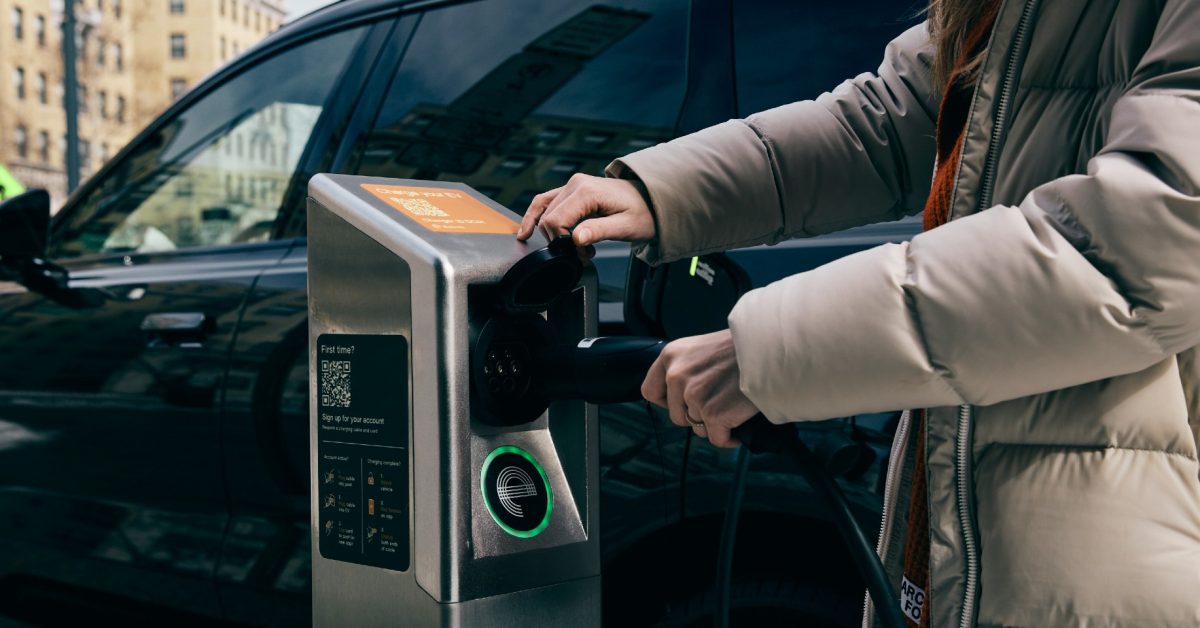
Brooklyn Startup to Install 700 NYC Curbside EV Chargers
A Massive Upgrade for Urban Electric Infrastructure
New York City has officially selected Brooklyn-based technology startup *it's electric* to supply hardware for its permanent curbside electric vehicle charging network. According to municipal disclosures, the citywide initiative will deploy nearly 700 Level 2 charging points across all five boroughs over the next three years, representing a significant infrastructure upgrade for urban driver access.
The ambitious rollout completely replaces the city’s existing pilot charging equipment while adding 600 brand-new charging points to the current network of 88 posts. Municipal agencies are executing the public procurement program in close coordination with the New York Power Authority, creating a modernized framework to handle increasing demand from metropolitan electric vehicle fleets.
Under the standardized installation specifications, each designated PlugNYC station will feature at least two charging posts equipped with two plugs each, guaranteeing a minimum of four charging points per location. Engineering and civil construction tasks will be managed by Maverick Corporation, while Canadian software vendor SWTCH Energy will supply the central operating software platform.
Strategic Placement Across High-Density Boroughs
Site selection deliberately prioritizes high-density residential neighborhoods where vehicle owners rely heavily on street parking. Regulatory disclosures highlight that approximately half of New York City car owners park along public curbs without access to private driveways or dedicated garages, making residential overnight charging virtually impossible without dedicated public street charging infrastructure built near home.
Municipal operational data confirms that the city's current curbside charging posts experience heavy routine utilization, maintaining an average occupancy rate exceeding 70 percent, with peak locations reaching 99 percent capacity. The expanded network specifically targets dense communities across the five boroughs, including Soundview and Unionport in the Bronx, alongside Rego Park, Forest Hills, and Far Rockaway in Queens.
Additional primary deployment zones include Red Hook, Carroll Gardens, and Bedford-Stuyvesant in Brooklyn, as well as the Upper West Side and Washington Heights in Manhattan. Staten Island’s initial rollout will establish stations in Stapleton, ensuring that all five urban boroughs receive vital infrastructure investments to accelerate transition toward clean transportation alternatives.
Supporting Professional Drivers and Zero-Emission Fleets
A central objective of the expanded network is providing dedicated charging access for commercial transportation operators, particularly Taxi and Limousine Commission drivers and rideshare workers. The municipal infrastructure buildout directly supports New York City’s Green Rides initiative, which mandates that 100 percent of Uber and Lyft rides occur in zero-emission or wheelchair-accessible vehicles by 2030.
Data from city transportation agencies reveals that New York rideshare drivers already complete roughly three million electric vehicle trips each month. Establishing accessible Level 2 curbside charging enables these high-mileage drivers to power vehicles during routine downtime without over-relying on expensive fast-charging facilities, lowering operating costs while minimizing overall strain on local power grids.
Executive leadership at *it's electric* emphasized that curbside electric vehicle chargers must eventually become as routine and expected across urban streetscapes as standard fire hydrants. Integrating public chargers into everyday street infrastructure helps normalize electric vehicle adoption for residents who previously viewed electric car ownership as impractical due to living in dense multi-family residential housing.
Local Manufacturing and Multi-Modal Mobility Support
The infrastructure contract emphasizes localized economic impact, ensuring that every charging post supplied for the citywide network will be manufactured directly in Queens. This local production strategy supports regional manufacturing jobs while establishing a resilient regional supply chain for North American infrastructure projects, aligning with broader federal and state clean technology economic development goals.
Where physical site conditions allow, charging stations will integrate multi-modal transportation features alongside standard automobile plugs. These expanded urban mobility nodes will feature specialized electrical connections for e-bike charging stations, electrified bike-share docking terminals, secure bicycle parking facilities, and dedicated cargo-bike delivery logistics hubs, maximizing utility within congested public right-of-way zones.
Pricing Models and National Expansion Plans
While official end-user pricing structures have not yet been finalized, municipal transportation officials will retain full regulatory authority over driver rates. Charging sessions will be billed per kilowatt-hour, supporting digital payment options through multiple mobile apps alongside contactless credit card terminals. Price structures will aim for affordability while incorporating idle fees to encourage prompt vehicle movement.
Headquartered at the Newlab innovation hub within the Brooklyn Navy Yard, *it's electric* initially introduced its technology through a 2023 pilot program at the Brooklyn Army Terminal in Sunset Park. The clean technology startup has since expanded operational networks into major U.S. markets, including Los Angeles, San Francisco, Detroit, Washington, D.C., and Boston.
To support its expanding nationwide footprint, the company recently announced a new venture capital funding round led by Halogen Ventures, bringing its total funding raised to $15 million. Company executives confirmed that all chargers supplied for future North American infrastructure deployments will continue to be manufactured locally in Queens facilities.
