
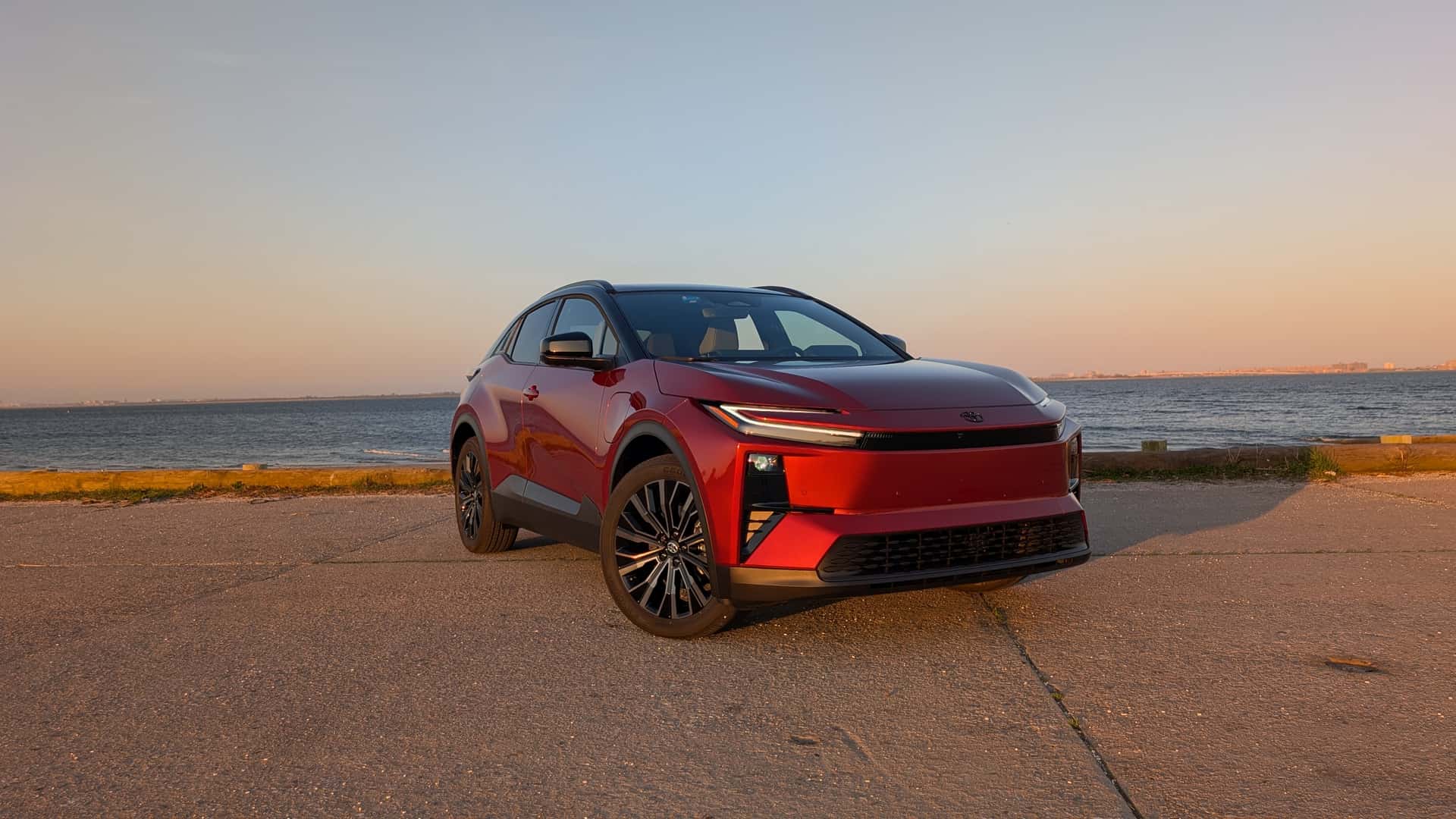
Toyota Recalls 10,000 C-HR EVs Over Sudden Power Loss Defect
Toyota is issuing a safety recall for approximately 10,000 units of its 2026 C-HR electric crossover across North America following reports of potential power loss while driving. The safety vulnerability affects one of the automaker’s newest battery-electric offerings, introducing significant risks for drivers traveling at highway speeds or navigating congested urban traffic environments.
According to official regulatory disclosures, the defect can cause the vehicle’s electric propulsion system to suddenly shut down without prior warning to the driver. This unexpected loss of drive power severely increases the risk of a crash, prompting emergency safety protocols and immediate corrective action from the Japanese automotive giant across affected regional distribution networks.
Engineers identified the root cause of the unexpected shutdown as a software glitch within the vehicle's Battery Electric Vehicle Electronic Control Unit. This vital module manages power flow between the high-voltage battery pack and the electric motor, acting as the primary brain governing energy distribution, thermal stability, and overall drivetrain efficiency during everyday operational conditions.
The Technical Cause Behind the Power Shutoff
The core issue stems from how the vehicle handles regenerative braking when operating near full battery capacity. Under normal deceleration, the electric motor functions as a generator, converting kinetic energy into electricity and feeding it back into the high-voltage battery to maximize overall driving range and mechanical braking efficiency.
However, when the state of charge is already elevated, the faulty software miscalculates incoming voltage. If the traction battery cannot accept additional energy, system safety guardrails automatically trip to prevent severe battery overcharging. This aggressive defense mechanism instantly severs electrical power to the motor, leaving the driver stranded mid-journey without propulsion.
While formal safety documentation from federal highway safety regulators has not yet been published to the public portal, internal technical summaries confirm the diagnosis. Automaker representatives noted that a comprehensive software recalibration successfully addresses the logic fault, preventing the control unit from triggering complete system shutdowns during high-capacity energy recovery.
The Frustration of Dealership-Only Repairs
Despite being a brand-new 2026 model year vehicle, the C-HR EV cannot receive this critical software patch wirelessly over the air. Owners must schedule an in-person service appointment at a franchised dealership to undergo a manual system flash, creating unwanted inconvenience for customers expecting modern digital ownership experiences.
Industry filings reveal that the subcompact crossover relies on an older electronics architecture rather than the company's newer Arene software platform. Debuting alongside high-profile model refreshes, the C-HR missed out on advanced central computing hardware, restricting its ability to execute remote powertrain updates that have become standard across competing zero-emission platforms.
The vehicle’s cabin tech further highlights this legacy design approach, featuring a slow-to-boot 14-inch infotainment screen limited primarily to basic smartphone integration. While functional for basic media needs, the underlying digital architecture lacks the deep integration necessary to service high-voltage powertrain modules without direct, physical diagnostic tools connected at service centers.
Impact on Toyota's Expanding Electric Lineup
The recall arrives at a delicate moment for the manufacturer’s expanding electric vehicle portfolio in North America. The entry-level crossover was designed to capture budget-conscious suburban buyers seeking compact utility, slotted alongside popular mainstays like the RAV4 as well as dedicated battery-electric models such as the updated bZ crossover series.
Market analysis reports highlight that the company experienced a massive 136 percent surge in electric vehicle sales during the first half of the year compared to previous periods. That growth trajectory was heavily propelled by the rollout of new zero-emission nameplates, including the entry-level C-HR EV and off-road oriented bZ Woodland editions.
Quality control setbacks like this software recall threaten to dent consumer confidence during a crucial growth phase. As mainstream drivers transition from internal combustion engines to full electrification, unprompted power loss incidents risk weakening public trust in new battery technologies and highlighting gaps in digital vehicle maintenance infrastructure.
What Affected Owners Need to Know
Owners of affected 2026 C-HR electric crossovers will receive official notification letters advising them to contact local service centers. Dealership technicians will perform the software update on the control module free of charge, requiring roughly one hour of shop time once the vehicle is brought into the service bay.
To mitigate safety risks before completing the dealer repair, drivers are advised to avoid fully charging their batteries to maximum capacity when planning trips involving heavy regenerative braking. Keeping the state of charge below maximum capacity provides a buffer for incoming kinetic energy, temporarily reducing the likelihood of a protective system trip.
This recall serves as a stark reminder of the complex engineering challenges facing traditional automakers during the EV transition. Balancing complex high-voltage safety protocols with legacy software architectures remains a delicate task, emphasizing the critical need for seamless, over-the-air update capabilities across all next-generation vehicle architectures.
