
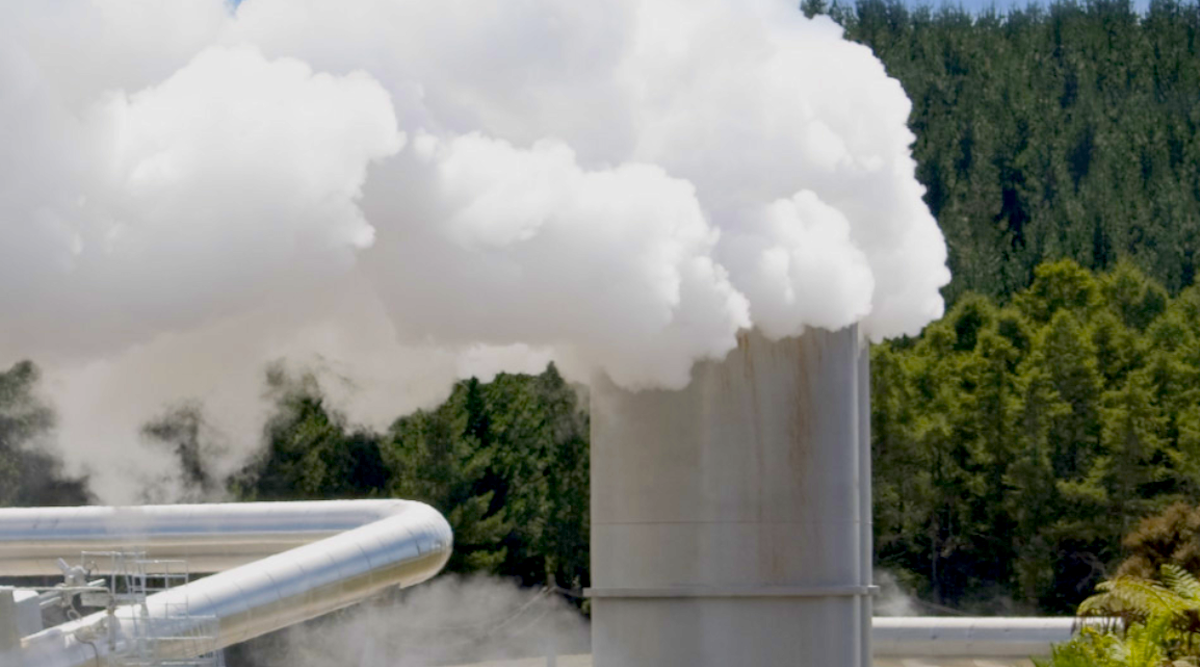
How Next-Gen Geothermal Power Could Reshape The US Energy Grid
A Surprising Priority in Federal Energy Dominance
Geothermal energy currently accounts for roughly one percent of total power generation capacity across the United States. Despite this modest starting baseline, federal policymakers have actively elevated geothermal power alongside traditional baseload resources. This push frames the emerging clean tech sector as a vital component under the administration’s overarching strategy aimed at establishing comprehensive domestic energy dominance.
Historically, the domestic geothermal sector faced severe geographic and technical limitations that restricted its ability to compete against traditional fossil fuels for baseload power. Conventional thermal energy plants were strictly limited to specific geographic regions west of the Rocky Mountains, where optimal combinations of subterranean heat, highly permeable rock formations, and accessible groundwater naturally coincided near the surface.
Recent executive appointments indicate a deliberate shift toward leveraging legacy oilfield drilling innovations to overcome these long-standing geographic boundaries. Energy Secretary nominee Chris Wright, former chief executive at oilfield services firm Liberty Energy, brings deep operational expertise to the role, recognizing how oilfield infrastructure can unlock deep thermal reservoirs that were previously considered economically unviable.
Convergence of Oilfield Technology and Clean Baseload
The technical and financial alignment between traditional oilfield services and next-generation geothermal energy has gathered rapid momentum across the power sector. High-pressure hydraulic fracturing techniques and precision directional drilling, originally perfected within the domestic shale industry, are now being systematically adapted to fracture dense, dry hot rock formations buried miles beneath the earth’s surface.
According to public industry filings, oilfield service leader Liberty Energy made an initial $10 million strategic investment into enhanced geothermal developer Fervo Energy in 2022. That investment momentum expanded significantly in 2025, when major oil and gas producer Devon Energy participated in a massive $462 million Series E funding round to scale Fervo’s commercial deep-drilling operations.
By repurposing advanced drilling rigs, specialized downhole sensors, and experienced field personnel, oilfield service companies are securing lucrative new commercial opportunities. This rapid cross-sector technology transfer allows clean energy developers to construct engineered geothermal reservoirs virtually anywhere hot underground rock exists, effectively eliminating historical geographical constraints on geothermal plant construction and grid integration.
Expanding the Frontiers of Thermal Innovation
Federal energy programs have systematically laid the foundation for this technological breakout over several years of targeted research. A primary centerpiece of this federal effort is the Frontier Observatory for Research in Geothermal Energy complex in Utah, which functions as a long-term research and development hub operated in close partnership with academic researchers from the University of Utah.
The Utah testing facility continues to receive robust support under current federal energy initiatives, serving as an active field laboratory for deep-reservoir drilling techniques and complex fluid circulation systems. Scientific data gathered from these long-term testing operations demonstrate that enhanced geothermal systems can reliably generate power across vastly expanded geographic territories far beyond traditional thermal zones.
Expanding the national reach of enhanced geothermal systems offers regional utility networks a vital commodity: continuous, carbon-free baseload power generation. Unlike variable renewable energy sources like solar and wind, enhanced geothermal installations supply steady electrical output around the clock, providing essential baseline stability to regional power grids struggling with rising industrial electrification demands.
Institutional Alignment Across Federal Laboratories
The Department of Energy recently accelerated its institutional backing by formally establishing the new Geothermal Center of Excellence. Located at the National Laboratory of the Rockies in Colorado, the specialized center was established in direct coordination with the National Energy Technology Laboratory to unite national research capabilities and drive commercial scale-up across the sector.
The direct involvement of the National Energy Technology Laboratory underscores the intentional integration of legacy hydrocarbon engineering into clean energy development. Operating major research facilities in key fossil energy states including Texas and West Virginia, the laboratory brings decades of subsurface fluid management and deep-well drilling expertise directly into federal field operations for geothermal power.
Beyond its primary host institutions, the Geothermal Center of Excellence aggregates specialized scientific capabilities from across the federal laboratory system. Key participating facilities—including Sandia, Oak Ridge, Lawrence Berkeley, Lawrence Livermore, Idaho, Argonne, Brookhaven, Los Alamos, and Pacific Northwest national laboratories—are pooling their computing and material science resources to accelerate gigawatt-scale geothermal energy projects.
Commercial Realities and the Road to Scale
To streamline technology transfer between federal research facilities and private energy developers, regulatory disclosures indicate the formation of an invitation-only advisory board. Composed of executive leadership from electric utilities, drilling contractors, and energy technology startups, the advisory board will ensure federal research activities align directly with real-world project deployment targets and market demands.
As energy-intensive artificial intelligence data centers and modern industrial facilities place unprecedented power demands on electrical grids, next-generation geothermal energy is emerging as a practical baseload solution. Through strategic alignment between fossil fuel technology, federal laboratory research, and private capital, the U.S. energy landscape is quietly preparing for a major geothermal power expansion.
