
Volvo Announces 13 New Vehicles In Massive Global Product Push
A Historic Model Offensive to Reverse Falling Sales Trends
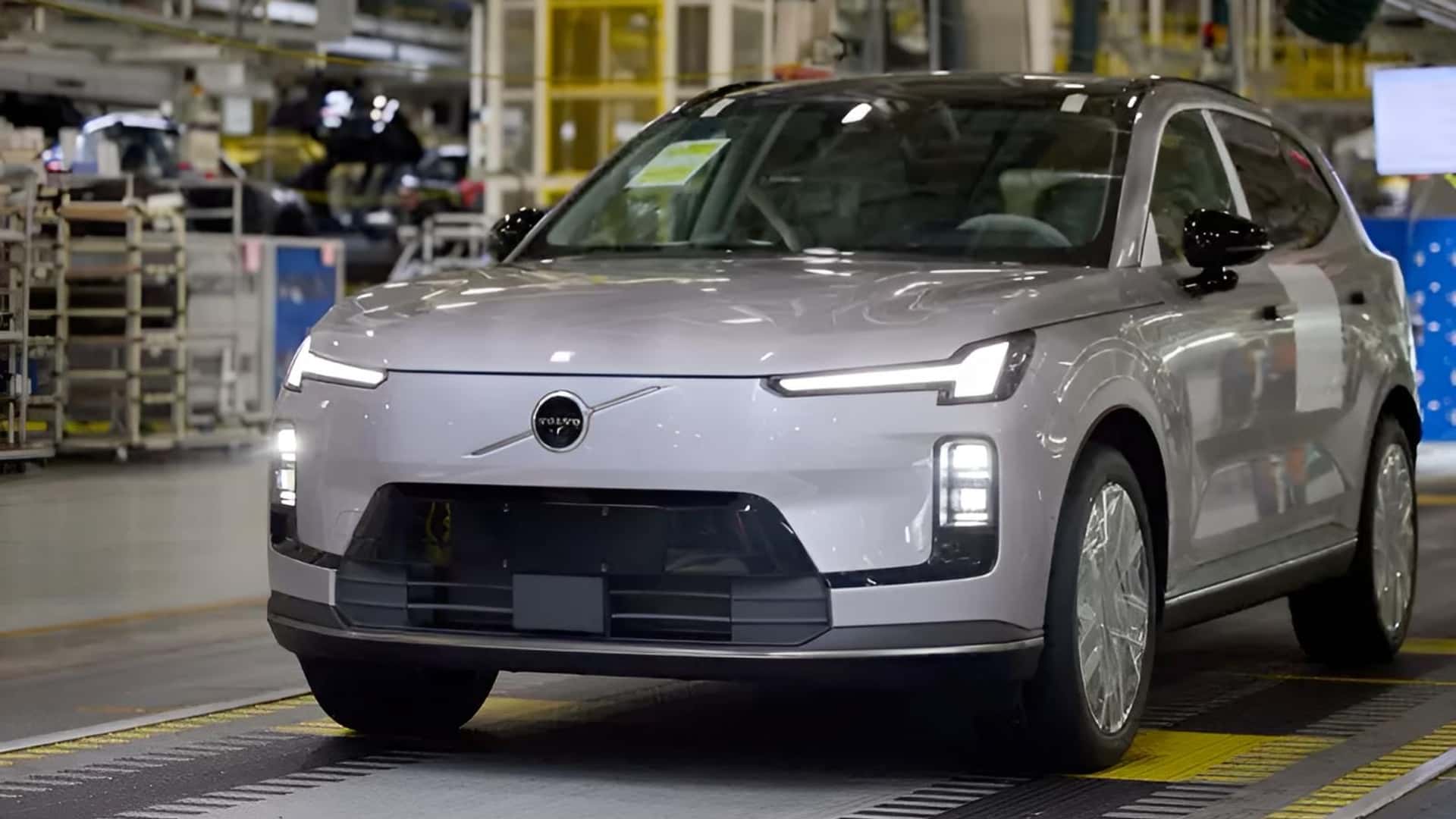
Volvo Cars is preparing to execute the most aggressive model offensive in its nearly 100-year history. The Swedish automaker plans to launch 13 brand-new vehicles by the end of 2030, completely reshaping its global lineup. This unprecedented initiative mixes advanced zero-emission battery electric models with upgraded hybrid options to modernize the brand’s global presence and reinvigorate sales growth in key automotive markets worldwide.
The massive strategic overhaul follows recent financial headwinds that impacted global delivery numbers throughout the early part of the year. According to corporate performance metrics, Volvo experienced an 11 percent decline in global sales during the first quarter, followed by a 5.6 percent decrease in the second quarter. These dips accelerated internal plans to modernize vehicle architecture and diversify regional product offerings.
Executive leadership has set ambitious financial targets to coincide with the multi-year vehicle push. By completing this broad lineup refresh over the next four years, Volvo aims to double its global market share. Furthermore, internal projections target an earnings before interest and taxes margin exceeding 8 percent by 2030, representing a substantial increase from the projected 3.5 percent margin expected in 2025.
Next-Gen Architecture Drives Western Electric Vehicle Lineup
For buyers in North America and Europe, Volvo is planning six entirely new models based on advanced proprietary architectures. These Western-market vehicles will rely heavily on the refined SPA2 and the next-generation SPA3 platforms. Both platforms have been optimized specifically for electric powertrains, giving the automaker a modular foundation capable of supporting a diverse range of sedans, wagons, and utility vehicles.
Technological upgrades remain a core pillar of the Western product rollout. Vehicles built on the SPA2 and SPA3 architectures will incorporate high-voltage 800-volt electrical systems, unlocking ultra-fast battery charging capabilities. Additionally, these cars will run on Volvo’s centralized HuginCore computing system, consolidating safety features, digital displays, and automated driving functions into a unified high-performance electronic architecture.
Current implementations of the SPA2 platform include the EX90 flagship SUV and the upcoming ES90 executive sedan. Moving forward, the brand new SPA3 platform will underpin smaller vehicles, starting with the anticipated EX60 midsize crossover. The modular nature of SPA3 drastically reduces manufacturing complexity, allowing Volvo to scale production rapidly across multiple vehicle segments while maintaining structural rigidity and efficiency.
Industry filings suggest that iconic nameplates could return to the lineup in fully electric form. Analysts anticipate that an electric sedan bearing the S60 badge and an electric estate carrying the V70 designation could arrive in North American showrooms as early as 2028. A new compact crossover, likely designated as the EX50, is also expected to bolster the electric utility vehicle portfolio.
Tailored Platform Strategy for the Chinese Automotive Market
Simultaneously, Volvo is developing six distinct models tailored explicitly for the Chinese market. Rather than utilizing Western platform variants, these vehicles will utilize specialized vehicle architectures provided by Volvo's parent entity, Geely. This regionalized strategy allows the carmaker to align more closely with local consumer preferences, rapid tech deployment expectations, and distinct regulatory environments found throughout Asia.
Deepening collaboration with Geely will allow Volvo to optimize its overall operational efficiency. By sharing vehicle components, manufacturing facilities, and supply chains in Asia, the manufacturer aims to achieve significant cost reductions. These shared economies of scale are critical for preserving margins while launching multiple high-tech vehicles within a compressed four-year execution window across the region.
Chinese-spec vehicles will also feature a customized digital software stack engineered specifically for local connectivity ecosystems. Integrating regional entertainment apps, localized voice assistants, and market-specific autonomous driving features ensures that Volvo remains highly competitive against rapidly rising domestic electric vehicle manufacturers that currently dominate China’s rapidly evolving premium automotive sector.
Hybrids and Software Define the Future Retail Experience
Although zero-emission vehicles dominate the long-term pipeline, Volvo is not abandoning plug-in technology immediately. The product offensive includes third-generation hybrid powertrains designed to bridge the transition toward full electrification. These advanced hybrid platforms will offer enhanced battery range, improved thermal efficiency, and refined performance to satisfy consumers in regions where charging infrastructure rollout remains slower.
Software flexibility underpins every new car entering the pipeline. Because the SPA2 and SPA3 platforms are software-defined, every vehicle will feature comprehensive over-the-air update capabilities. Owners will receive regular digital enhancements, performance optimizations, and safety feature additions throughout the lifespan of the vehicle, reducing showroom depreciation and extending the operational usability of each model.
In conjunction with the product surge, Volvo is revamping its retail and sales distribution network. The company plans to introduce transparent, fixed-pricing structures across participating dealerships alongside streamlined digital buying tools. Additionally, the automaker intends to roll out pre-configured, fast-delivery vehicle trims to significantly reduce customer wait times from the point of order to final delivery.
CEO Ambitions for a Redefined Premium Brand Identity
Chief Executive Hakan Samuelsson emphasized the transformative nature of the upcoming vehicle offensive, noting that physical showrooms will look drastically different by 2030. Samuelsson described the effort as the strongest product pipeline in the company’s history, highlighting its heavy emphasis on regional customization as Volvo pushes toward its overarching objective of becoming a leading global premium car manufacturer.
With 13 new models scheduled across multiple international regions, Volvo is embarking on a pivotal era of transformation. By balancing pure electric innovation with refined hybrid technology, leveraging global parent partnerships, and overhauling its retail methodology, the Swedish brand aims to secure sustained profitability and establish a dominant market presence heading into the next decade.
