Waymo Doubles Lobbying Spend in Escalating Robotaxi War With Uber
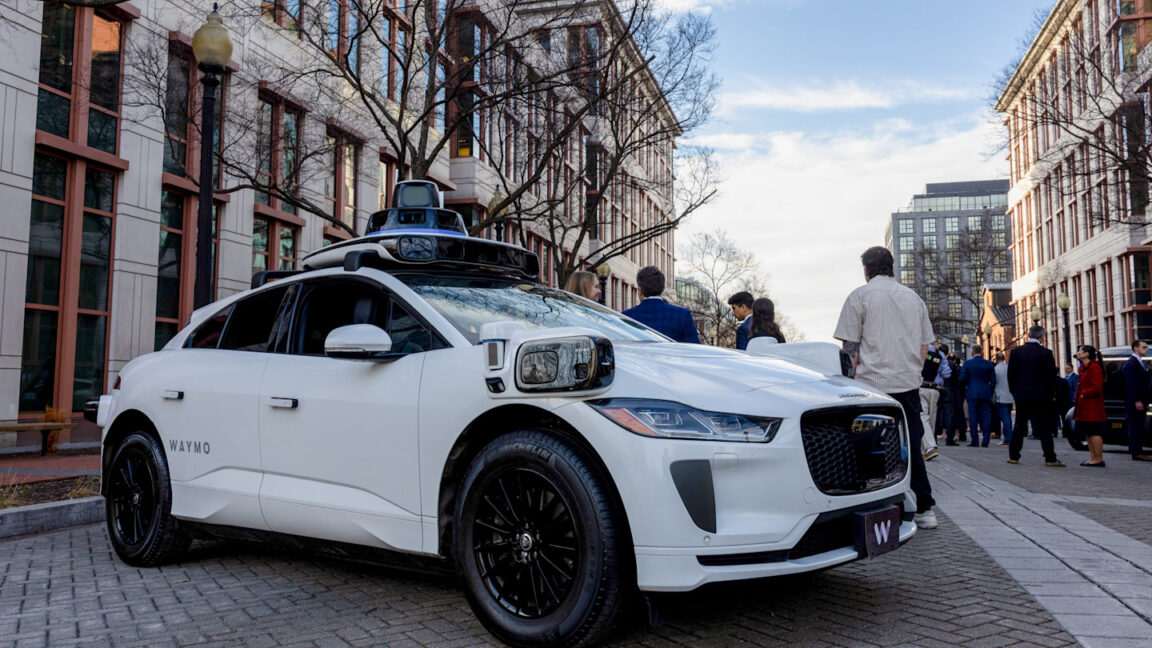
The race to dominate the autonomous ride-hailing landscape has moved from public roadways into legislative halls. Waymo has significantly increased its political spending in Washington, spending over $1 million during the second quarter alone to influence federal policy. This sharp expenditure surge reflects the Alphabet subsidiary's effort to clear regulatory hurdles blocking fully driverless commercial vehicle operations nationwide.
According to recent regulatory disclosures, Waymo increased its federal lobbying expenditures by 93 percent during the first six months of the year, topping $2 million. That spending trajectory places the autonomous vehicle developer nearly on par with ride-hailing titan Uber while leaving competitors like Amazon’s Zoox and Tesla far behind. Waymo also expanded its lobbying apparatus by retaining prominent Washington law firm Greenberg Traurig.
At the core of Waymo’s federal strategy is an aggressive push for a unified national regulatory framework. The self-driving technology firm argues that a streamlined federal policy is essential to remove patchworks of conflicting local rules. By establishing clear standards, the company aims to accelerate commercial scaling while convincing reluctant regulators that driverless technology is ready for widespread public deployment.
Diverging Regulatory Strategies Fracture Industry Partnerships
The lobbying surge highlights a deepening strategic divide between Waymo and Uber regarding the future of on-demand transportation. Waymo advocates for an unencumbered pathway toward fully autonomous, driverless operations across urban fleets. Conversely, Uber is pressing lawmakers to adopt a phased model, promoting hybrid networks that mandate autonomous vehicles operate alongside human drivers during transitional testing periods.
This fundamental disagreement over policy direction has severely strained the commercial relationship between the two tech giants. Industry filings and internal deliberations indicate Waymo is evaluating options to exit its operating partnerships with Uber in key launch cities such as Austin and Atlanta. The growing policy friction threatens to dismantle collaborative initiatives that previously connected driverless cars to established hailing apps.
Analyst reports suggest the legislative conflict is directly accelerating the breakdown of their operational ties. Industry observers note that both companies have intensified their state and federal advocacy, creating opposing political pressure points. Rather than finding common regulatory ground, their competing campaigns appear to be expediting a formal separation as each firm fights to secure market dominance on its own terms.
State-Level Battlegrounds Intensify Across Key Markets
Beyond Capitol Hill, state capitals have emerged as primary arenas for intense regulatory maneuvering. In the District of Columbia, Waymo has outspent both Uber and Zoox to win over local authorities. The company has engaged in direct public outreach, urging local residents to submit formal comments supporting driverless approvals while pressing city officials to permit full commercial operation in the capital.
The battle has grown particularly fierce in New York, a crucial market for ride-hailing revenues. Waymo spent over half a million dollars in the state during the first half of the year, double Uber’s outlay. The campaign escalated after Governor Kathy Hochul rolled back proposed legislation that would have enabled broad autonomous vehicle testing, prompting Waymo to offer a $20 million driver transition fund.
In New Jersey, lawmakers are weighing rules for a proposed three-year autonomous vehicle pilot program. Uber lobbyists have vigorously advocated for restrictions requiring ride platforms to maintain at least 85 percent of all dispatched rides with human drivers throughout the trial. This defensive maneuver aims to protect human driver capacity while slowing pure driverless market penetration by autonomous tech operators.
Political pushback has mounted across multiple jurisdictions as labor organizations and municipal leaders express concern over economic disruption. Critics warn that rapid autonomous deployment could displace thousands of commercial drivers and destabilize existing transit systems. Consequently, major metro areas like Chicago and New York remain stalled, forcing autonomous operators to spend heavily to counter well-organized political opposition.
Competing Visions for the Future of Autonomous Mobility
Uber’s legislative maneuvering reflects a defensive strategy to safeguard its core ride-hailing platform amidst evolving driverless technology. Having divested its internal self-driving division in 2020, Uber has committed more than $10 billion toward equity stakes and fleet partnerships. To preserve its market share, the company seeks regulations that route incoming autonomous rides through existing platform infrastructure rather than independent robotaxi apps.
Industry critics have accused Uber of pursuing regulatory capture by attempting to mandate hybrid network structures through state legislation. By advocating for strict human driver quotas during pilot phases, opponents argue Uber is attempting to slow competitive autonomous deployments. Such mandates would force independent robotaxi operators to rely on established ride-hailing networks rather than launching standalone, direct-to-consumer automated fleets.
Uber rejects those allegations, arguing that hybrid networks offer a practical framework for managing economic and technological transitions. Company officials maintain that integrating self-driving vehicles alongside human drivers provides a realistic path for introducing autonomous mobility safely. They argue this balanced approach helps local economies adjust while giving regulators effective tools to monitor public safety and fleet integration seamlessly.
For its part, Waymo maintains that its policy advocacy focuses purely on enabling safe technology adoption rather than restricting rival business models. The company insists it does not support rules that dictate how competitors deploy autonomous systems. As regulatory battles escalate across key states, the outcome will fundamentally shape how autonomous fleets enter public life and who controls the future ride-hailing economy.
