
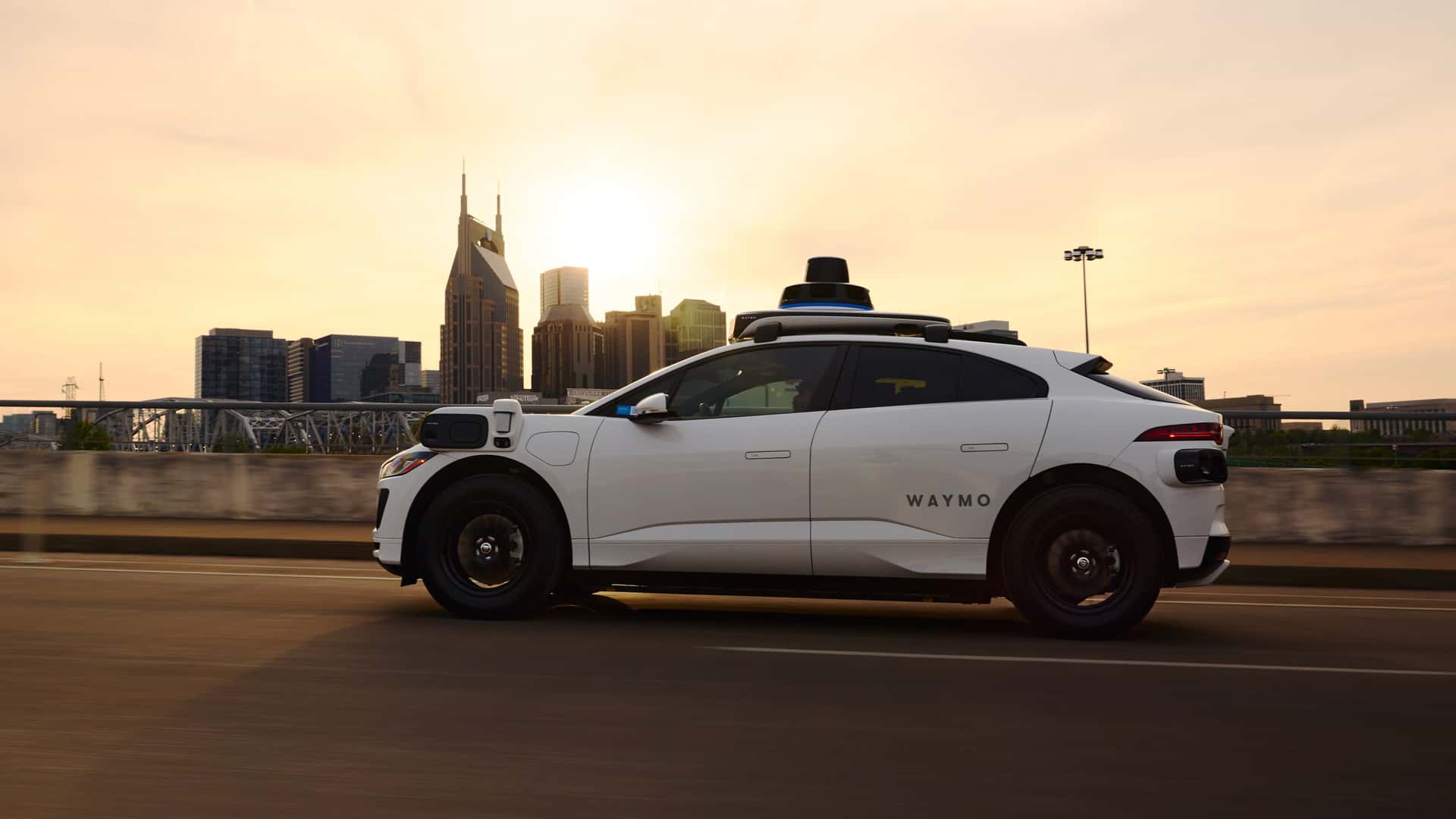
Waymo Launches Driverless Ride-Hailing Service In Las Vegas
Alphabet’s autonomous driving subsidiary Waymo is officially expanding its commercial ride-hailing operations into Las Vegas, Nevada. The move marks another major milestone in the company’s aggressive nationwide expansion strategy. Passengers in the entertainment capital will soon be able to order fully driverless rides through the commercial app without a human safety driver behind the wheel.
This latest deployment follows a flurry of market entries across the United States in recent months. The company recently launched operations in Nashville, Tennessee, shortly after initiating driverless passenger services in Denver, Colorado, and San Diego, California. Industry filings show that the company is systematically expanding into high-density urban environments with diverse weather conditions and complex road topologies.
Las Vegas represents an ideal proving ground for autonomous vehicle platforms due to its dense tourist corridors, high trip demand, and culture centered around technological innovation. The city already features landmark engineering marvels and massive digital infrastructure, making autonomous robotaxis a natural extension of the local transportation ecosystem for visitors and residents alike.
Next-Generation Electric Vans Hit the Strip
For the Las Vegas rollout, riders will experience the service aboard the new Waymo Ojai. This custom, electric four-passenger vehicle was designed in partnership with Geely’s Zeekr brand specifically for autonomous ride-hailing. The vehicle features a spacious interior, low step-in height, and sliding doors optimized for urban passenger drop-offs and curb safety.
The initial service area is planned to cover major destination nodes throughout the city. Passengers will be able to request rides connecting resort corridors, residential neighborhoods, and high-traffic event venues like the Sphere and Allegiant Stadium. Initial operational boundaries will include specific drop-off zones designed to streamline traffic flow around major casino properties.
The fleet utilizes advanced lidar, radar, and camera sensor arrays tailored to process complex urban inputs. Las Vegas presents distinct visual challenges, including heavy nighttime neon lighting, dense pedestrian crowds, and complex multi-lane valet drop-offs. The hardware suite is configured to navigate these extreme lighting variations and unpredictable traffic patterns reliably.
Civic Collaboration and Market Competition
Local government leadership has welcomed the arrival of fully driverless commercial transport. Las Vegas Mayor Shelley Berkley emphasized that bringing autonomous ride-hailing technology directly to municipal streets supports seamless travel between cultural districts and neighborhood centers. Local officials view the technology as a key component of building a cleaner, safer, and more accessible urban infrastructure.
The arrival of Waymo intensifies competition in the Nevada autonomous vehicle sector, where rival company Zoox, backed by Amazon, has already established ongoing testing and operations. The presence of multiple major autonomous vehicle developers turns Las Vegas into one of the premier test beds for commercial robotaxi services in the United States.
According to municipal transportation data, integrating all-electric autonomous fleets aligns with city initiatives to reduce urban carbon emissions while easing traffic congestion. By deploying zero-emission vehicles that operate around the clock, autonomous operators aim to lower the total environmental footprint of commercial transit within core tourist zones.
Operational Framework and Traffic Integration
While the service promise is broad, regulatory disclosures indicate that initial deployment parameters will involve certain operational guardrails. These include specific speed limitations on high-density arterial roads, designated pickup and drop-off zones along the Strip, and restricted access to private resort driveways until direct integration agreements are finalized with major property operators.
Navigating the unique road layout of Las Vegas requires sophisticated software mapping to handle frequent traffic disruptions, such as road closures for major sporting events, conventions, and parades. Waymo’s mapping architecture continuously updates vehicle routes in real time to prevent severe congestion bottlenecks and maintain high service reliability during peak visitor hours.
Safety metrics remain a primary focus for both regulatory authorities and software developers. Recent safety performance reports highlight that driverless vehicle fleets demonstrate significantly lower collision rates compared to human drivers in dense urban environments, particularly regarding high-risk incidents involving complex pedestrian interactions and busy intersection turns.
The Future of Urban Autonomous Mobility
The rapid expansion into Nevada highlights how quickly the autonomous ride-hailing industry is transitioning from limited experimental pilot projects into fully commercialized urban transit solutions. By securing regulatory approvals across multiple major metropolitan markets simultaneously, autonomous transportation is moving swiftly toward widespread commercial availability across North America today.
Industry analysts project that additional city launches will follow shortly as specialized vehicle production scales up and geographic mapping coverage expands. As driverless platforms continue to demonstrate commercial viability and safety in demanding transit environments like Las Vegas, autonomous ride-hailing is poised to become a mainstream option for daily urban mobility.
