
Waymo Launches Autonomous Robotaxi Service in Las Vegas
Expanding the Autonomous Fleet into Sin City
Alphabet’s self-driving technology unit, Waymo, has officially begun offering driverless ride-hailing services to the public in Las Vegas. The commercial rollout follows recent regulatory clearance from state transport officials, marking a major milestone in the company’s national expansion strategy. Passengers in the metropolitan area can now request rides through a phased invitation system designed to test and refine local operations.
The move introduces Las Vegas as Waymo’s fifteenth active commercial market in the United States. The autonomous vehicle giant has systematically executed similar staged launches in key urban environments, including Phoenix, San Francisco, Los Angeles, and Atlanta. By opening access incrementally, the company aims to ensure system reliability while gradually acclimating the public to driverless transportation options.
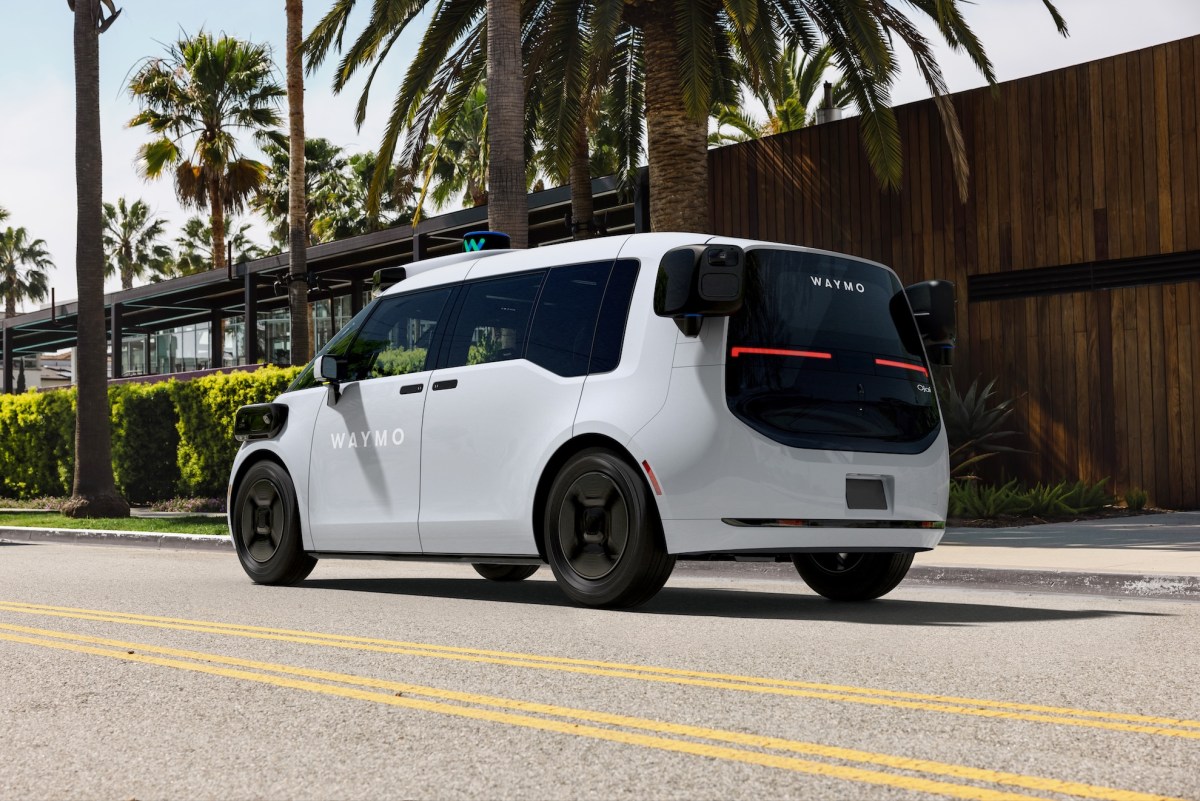
Initial service will rely on a specialized fleet of next-generation electric minivans custom-engineered for autonomous ride-hailing. These vehicles incorporate advanced sensor suites, redundant safety architecture, and refined operational software. Industry analysts suggest that establishing a presence along high-density corridors will provide crucial real-world data regarding passenger transport in highly complex, night-life-heavy traffic conditions.
Nevada Regulatory Approvals Signal Rapid Scaling
Regulatory disclosures confirm that the Nevada Transportation Authority granted final authorization for commercial operations across Clark County. This regulatory green light permits Waymo to deploy up to 1,000 autonomous vehicles within the region over the coming year. The license represents a critical regulatory bridge enabling commercial monetization after months of intensive mapping and closed-circuit vehicle validation.
State regulatory frameworks in Nevada have proven exceptionally welcoming to autonomous vehicle innovation, encouraging multiple commercial operators to establish local footprints. In addition to Waymo's allocation, state authorities approved operational expansion permits for rival mobility firms. Under these permits, up to 7,000 combined commercial robotaxis could theoretically operate within Clark County over the next twelve months.
Despite these generous regulatory ceilings, full deployment across all operators remains an incremental process. Industry filings reveal that total active vehicles will scale strictly based on operational readiness and localized market demand. Waymo currently operates a global fleet exceeding 4,000 vehicles, distributing hardware dynamically across active geographic centers to balance capacity and user request volumes.
Operational Footprint and Fleet Deployment Details
The initial operational zone in Las Vegas concentrates on heavy tourist traffic and transit nodes. Service covers key sections of the Las Vegas Strip running south of Highway 589 and extending westward into the Boulder Junction district. This geographic footprint targets high-occupancy transit demands, connecting major hotel complexes, entertainment venues, and suburban commuter channels across the urban core.
Access to the robotaxi platform is currently restricted to invited riders who register through the company’s dedicated mobile application. Selected users receive unique digital access codes permitting them to hail driverless trips within the designated geography. Historical deployment patterns indicate that public waitlists typically remain active for several weeks before full, unrestricted consumer access is granted nationwide.
Fleet management strategies indicate that dozens of new Ojai minivans will service the initial Las Vegas zone before broader scaling occurs. The hardware configuration emphasizes passenger comfort, cabin spaciousness, and enhanced entry systems tailored for transit convenience. Software updates pushed over-the-air will continually refine pickup routing and navigation through congested hotel valet zones and pickup bays.
Heightened Competition Across the Autonomous Landscape
The commercial debut comes amid an accelerating race among autonomous vehicle developers to secure market dominance in key metropolitan regions. Waymo’s expansion into Nevada follows recent launches in Denver, San Diego, and Tampa, highlighting a rapid geographically diversified deployment strategy. Competition is intensifying rapidly as rival companies push their own proprietary hardware and software stacks into commercial production.
Las Vegas has quickly transformed into a premier proving ground for competing autonomous vehicle networks. Amazon’s Zoox already operates custom-built, bidirectional commercial robotaxis within the city, while mobility platforms like Uber are forming strategic partnerships to integrate third-party autonomous hardware into their networks. Simultaneously, automotive manufacturing competitors are seeking state permits to initiate rival driverless commercial programs.
Tesla and Hyundai subsidiary Motional are also advancing commercial autonomous plans within Nevada regulatory frameworks. Tesla engineering leadership indicated during regulatory hearings that scaling initial deployments to several thousand vehicles remains an ambitious multi-year goal. Consequently, market analysts expect an intense competitive dynamic as multiple commercial operators vie for passenger market share across the region.
Urban Congestion and Infrastructure Integration
Integrating high volumes of autonomous ride-hailing vehicles presents unique logistical challenges for Clark County urban planners. Navigating the complex traffic environment of Las Vegas requires managing unpredictable pedestrian behavior, sudden vehicle lane changes, and intricate multi-lane resort drop-off zones. Engineers must continuously tune autonomous behavior to handle dense traffic safely while preventing unnecessary urban congestion.
Safety advocacy groups and urban transport specialists monitor driverless fleet expansions closely to evaluate their impact on traffic safety standards. Industry safety disclosures show that autonomous platforms generally exhibit lower collision rates per million miles driven compared to human operators. Maintaining high safety performance in chaotic entertainment districts will remain essential for securing sustained regulatory support and consumer trust.
As commercial deployment accelerates across Nevada, Waymo’s phased expansion strategy reflects a maturing sector shifting from pilot projects to sustainable revenue generation. The success of the Las Vegas rollout will likely serve as a blueprint for future metropolitan entries, establishing benchmarks for fleet scaling, regulatory compliance, and consumer adoption across the evolving global transport landscape.
