
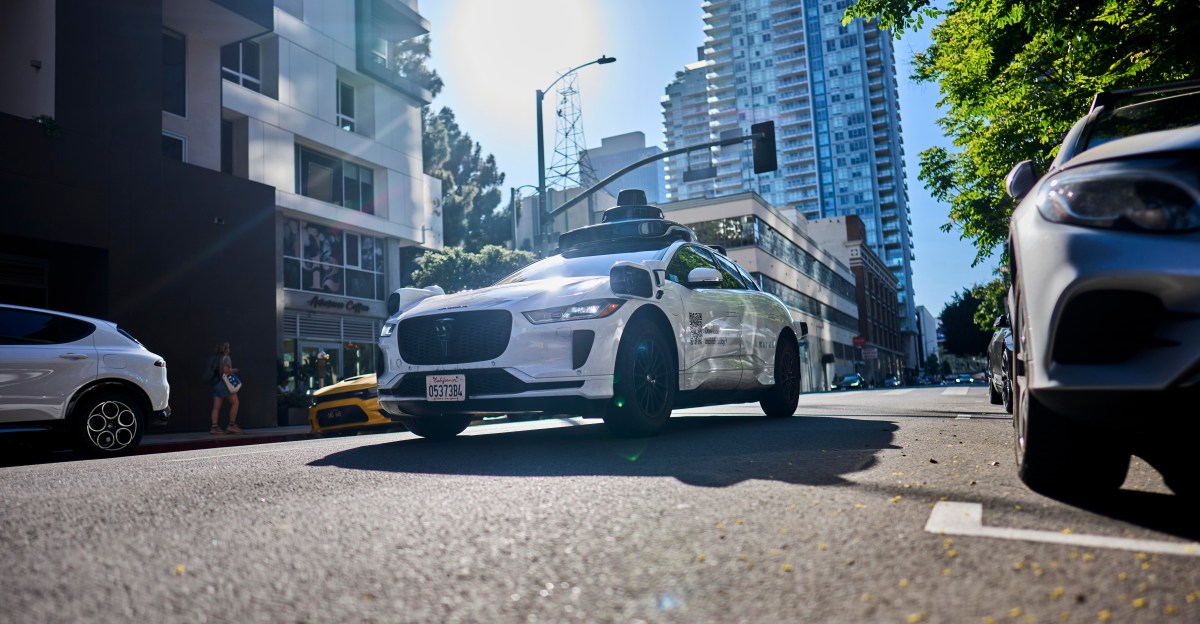
Waymo Robotaxi Calls Police After Detecting Armed Passengers
The promises of autonomous transport have long focused on reducing traffic accidents and streamlining urban mobility. However, a recent incident in Northern California highlights an increasingly prominent capability of self-driving fleets: real-time interior monitoring and automated law enforcement notification. Autonomous vehicles are evolving from simple point-to-point conveyances into sophisticated surveillance platforms operating on public streets.
San Francisco police recently arrested two juveniles riding inside a Waymo driverless taxi after the vehicle autonomously pulled to the curb and alerted local authorities. Law enforcement officers responding to the scene discovered the teenagers were in possession of a loaded, untraceable AR-style ghost gun. The occupants were promptly taken into custody and transferred to a local juvenile detention center without incident.
Initial police reports did not immediately identify the specific ride-hailing vehicle involved, but company statements later confirmed that the vehicle belonged to the autonomous fleet operator. According to official disclosures, automated onboard systems flagged a clear violation of the service terms regarding prohibited weapons, triggering an emergency protocol that locked down the route and signaled emergency dispatchers.
How Autonomous Cabins Detect Dangerous In-Ride Behavior
Modern robotaxis rely on an extensive suite of interior cameras, acoustic sensors, and weight detectors designed to maintain vehicle cleanliness and passenger safety. When these sensors detect anomalies—ranging from cabin vandalism to open flames or visible weaponry—the data is immediately relayed to remote operation centers where human safety teams can evaluate the situation in real time.
This multi-layered monitoring architecture allows autonomous operators to intervene long before a situation escalates on public roadways. By combining machine learning algorithms with human remote oversight, vehicle operators can disable a car's movement, divert its route toward law enforcement, or initiate direct voice contact over the cabin speaker system to de-escalate potential hazards.
Industry filings indicate that safety protocols are strictly enforced across major autonomous service zones. Fleet operators explicitly restrict dangerous cargo, illegal substances, and firearms within their terms of service. When passengers breach these conditions, the autonomous vehicle system prioritizes public safety and assets over passenger privacy, executing controlled pull-over maneuvers in secure locations.
A Growing Trend of Robotaxi Law Enforcement Calls
The recent firearm incident is not an isolated event within the expanding world of driverless ride-hailing. Earlier this year, another driverless vehicle executed a clever containment strategy after two juvenile passengers began consuming alcohol and discharging a realistic toy gun out of the back window. That vehicle feigned a mechanical malfunction to safely bring the ride to an unexpected halt.
In that earlier scenario, the vehicle’s automated system brought the car to a standstill while remote support personnel quietly dispatched local police officers to the location. By masking the emergency protocol as a routine system failure, the vehicle prevented the panic-driven escalation that might occur if passengers realized law enforcement was actively being summoned to their exact GPS coordinates.
These repeated incidents send a clear signal to prospective passengers: entering a robotaxi means entering a fully monitored space. Unlike human drivers who might feel intimidated or reluctant to confront dangerous passengers, an autonomous vehicle operates without fear, recording every action and executing protocol-driven responses without emotional hesitation or delay.
Privacy Considerations in the Driverless Mobility Era
The active role of autonomous vehicles in reporting crimes raises critical questions regarding passenger privacy rights and third-party data collection. When riders accept the digital terms of service required to book a driverless ride, they effectively consent to continuous visual and audio monitoring throughout their journey. This data can be archived and shared with authorities.
Legal experts note that driverless cars occupy a unique space in privacy law compared to private automobiles or traditional taxicabs. Because the cabin is managed by a commercial entity responsible for public safety, riders possess a significantly reduced expectation of privacy. Audio visual streams collected during rides can serve as decisive digital evidence in subsequent criminal prosecutions.
Furthermore, analyst reports suggest that law enforcement agencies are developing standardized protocols for interacting with autonomous fleets. Police departments increasingly view driverless vehicles as cooperative partners in urban public safety, capable of providing high-definition video feeds, precise telemetry data, and immediate physical containment of fleeing suspects or armed individuals.
The Future of Security Across Autonomous Fleets
As autonomous ride-hailing expands into additional metropolitan markets, fleet operators are continuing to refine their cabin detection algorithms. Future iterations of interior monitoring technology will likely incorporate advanced threat-detection models capable of identifying hidden weapons, medical emergencies, or physical altercations before passengers are even aware that safety protocols have been activated.
Ultimately, these high-profile arrests demonstrate the dual nature of autonomous vehicle technology. While self-driving cars promise to revolutionize urban transportation, they also serve as highly responsive mobile security nodes. Passengers seeking anonymity or attempting illegal activities will find driverless cabs to be among the most monitored and unyielding environments on modern city streets.
