
Waymo Prepares Commercial Robotaxi Service Launch in Tokyo
Waymo Expands Autonomous Taxi Services to Japan
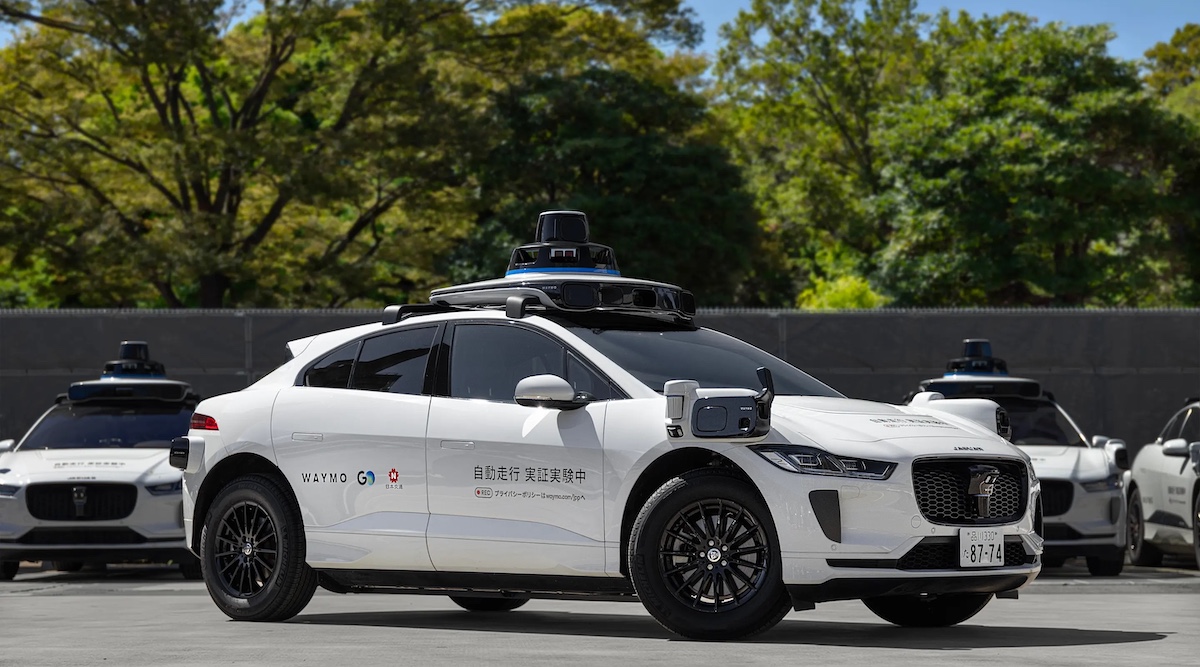
Alphabet subsidiary Waymo is taking a major step in global expansion by bringing its fully autonomous ride-hailing service to Japan. The move represents one of the self-driving technology pioneer’s first major international deployments outside the United States. According to official corporate announcements, the enterprise aims to establish a commercial driverless transport ecosystem across Tokyo’s bustling metropolitan area.
To execute this ambitious rollout, Waymo has entered a strategic partnership with major Japanese mobility stakeholders, including app operator GO and taxi operator Nihon Kotsu. Joint venture agreements reveal that the trio is systematically laying the groundwork for a commercial launch of unmanned robotaxi services, targeted to officially begin serving riders in Tokyo by 2027.
The incoming service aims to offer seamless, round-the-clock transportation options for local residents and international visitors. Riders will be able to summon autonomous vehicles during late-night hours after municipal subway systems close, or utilize quiet driverless cabins as mobile workspaces between business engagements. The initiative promises to transform how passenger travel functions across Japan's capital.
Overcoming Local Market Delays and Demographic Challenges
Japan has long maintained a global reputation for adopting cutting-edge technologies and consumer innovations. However, industry filings indicate the nation has lagged behind the United States and China in developing native autonomous vehicle platforms. Industry analysts attribute this delay to the cautious, conservative approach taken by established domestic automotive manufacturers like Toyota and Honda.
Because Japan lacks strong domestic robotaxi developers, foreign autonomous technology leaders face a prime commercial opportunity. Waymo’s entry addresses a distinct market gap where demand for advanced transport solutions exists alongside a shortage of local software-driven vehicle platforms. Local operators are turning to proven international technology to modernize regional fleets rapidly.
The introduction of driverless vehicles also comes at a crucial structural moment for Japan's economy. The nation faces severe long-term demographic challenges, including a rapidly aging population and shrinking workforce. Autonomous transport fleets can supplement existing transit infrastructure, ensuring continuous urban mobility while relieving persistent labor shortages within the commercial driving sector.
Operational Mapping and Local Infrastructure Integration
Operational preparations in Tokyo began as early as 2025, focusing on extensive mapping and system localization. During this initial testing phase, specialized Waymo vehicles navigated city streets under the supervision of trained local crew members provided by Nihon Kotsu. This approach allowed autonomous driving systems to adapt to unique local driving customs.
Driving in Tokyo presents complex engineering challenges, ranging from extremely narrow residential side streets to dense pedestrian crossings in major commercial districts. By collecting real-world sensor data alongside veteran local drivers, Waymo’s autonomous driving software has learned to navigate complex urban topography while prioritizing pedestrian safety and localized traffic etiquette.
Customer access will be integrated directly into Japan’s existing transportation ecosystem. Passengers will have the flexibility to request autonomous rides using either the dedicated Waymo app or the widely used GO mobility platform. The GO app integration enables users to seamlessly choose between traditional human-driven cabs and fully autonomous vehicles within a single digital interface.
Prioritizing Safety Standards and Consumer Trust
Regulatory disclosures highlight that safety remains the central pillar of Waymo’s international expansion strategy. In its domestic markets, the company has logged tens of millions of commercial autonomous miles across more than fifteen major American cities. Corporate data demonstrates that its fully autonomous driving technology operates with significantly lower crash incident rates than human drivers.
Corporate leadership emphasized that establishing high safety standards and adhering to local hospitality expectations are critical to earning public trust in Japan. By pairing proven autonomous software with Nihon Kotsu’s century-old legacy of passenger service, the partnership aims to reassure conservative Japanese consumers while delivering a comfortable, reliable, and entirely driverless passenger experience.
The Japanese enterprise marks a strategic shift in how autonomous vehicle companies structure global partnerships. Rather than relying solely on global ride-hailing networks, Waymo is collaborating directly with incumbent regional taxi operators and established local app platforms. This strategy allows the company to leverage deep local operational expertise while retaining control over its proprietary autonomous technology stack.
Global Implications for Autonomous Commercialization
Establishing a successful robotaxi footprint in Tokyo could unlock significant commercial value for Waymo. Tokyo represents one of the world's most lucrative urban transit markets, defined by high population density, heavy public transit reliance, and strong consumer spending. Proving operational viability in Japan will strengthen the company’s business model outside North American regulatory frameworks.
Furthermore, a successful launch in Tokyo could serve as a springboard for further expansion across other major Asian metropolitan hubs facing similar demographic shifts. As autonomous technology continues to mature, collaborative models between tech developers and legacy taxi operators are emerging as the preferred blueprint for bringing commercial driverless mobility to global markets safely.
