
Waymo Restarts San Antonio Driverless Rides After Flood Recall
Navigating San Antonio Roads After a Five-Month Pause
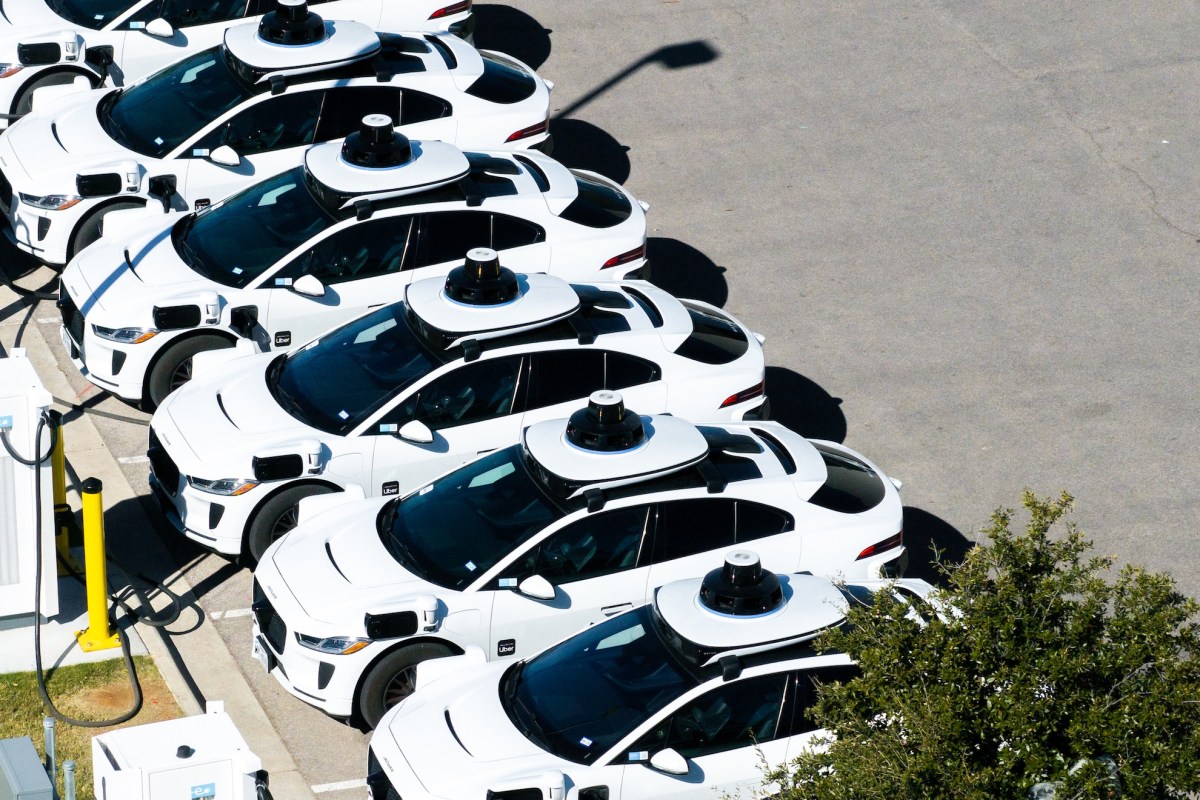
Alphabet’s autonomous driving unit, Waymo, has officially resumed its commercial driverless robotaxi operations in San Antonio, Texas. The restart comes five months after the company halted local testing following a series of high-profile flood-related incidents. Autonomous vehicles are once again serving passengers across the city, marking a significant milestone in the company’s efforts to demonstrate system resilience in challenging environments.
The newly reinstated service covers a designated 60-square-mile operating zone. This area encompasses high-density urban corridors, including downtown San Antonio and key transit routes connecting to San Antonio International Airport. Waymo is deploying dozens of fully autonomous vehicles in the region, offering paid rides to passengers through its ride-hailing application as part of its ongoing commercial expansion strategy.
The initial suspension occurred in April when uncharacteristically heavy rainfall flooded several major thoroughfares. During the storm, multiple self-driving vehicles encountered high water, resulting in several units becoming immobilized. The automated driving systems recognized the adverse environmental conditions and reduced vehicle speeds, but failed to bring the driverless fleet to a complete stop before entering water-logged road segments.
Software Recalls and Environmental Edge Cases
Following the April flooding events, one vehicle was swept away, forcing Waymo to initiate a voluntary software recall in May. Industry filings confirm the recall aimed to resolve severe weather perception deficiencies within the vehicle’s algorithmic stack. Engineers worked to address critical edge cases where standing water obscured road markings or altered visual and sensor signatures essential for path planning.
During the review period, Waymo restricted its fleet from operating in geographic regions designated as high-risk flood zones. The company also temporarily paused operations across other Texas urban centers while diagnostic evaluations were conducted. Company updates indicate those regional pauses have since been lifted, allowing autonomous fleets to return to normal commercial service with refreshed safety protocols.
To address the specific failure points identified during the storms, Waymo implemented substantial software enhancements prior to the San Antonio relaunch. The updated perception algorithms are designed to improve standing water detection, evaluate water depth risks more accurately, and proactively navigate away from localized flooding hazards before vehicles enter vulnerable low-lying roadway sections.
Scaling Commercial Operations Across Major U.S. Markets
The return to Texas operations reflects Waymo’s broader ambition to establish driverless transport across diverse operational design domains. The company now provides paid autonomous rides in 15 U.S. cities, representing the largest commercial footprint of any robotaxi operator in North America. Expanding into flood-prone regions tests the limits of current autonomous sensor hardware and artificial intelligence models.
Operating in weather-heavy environments remains one of the most complex engineering hurdles facing autonomous vehicle developers. While lidar, radar, and camera suites excel in clear conditions, heavy precipitation, standing water, and road glare can degrade sensor fidelity. Waymo’s recent software upgrades seek to bridge this gap by combining real-time sensor feedback with enhanced topographical mapping data.
Local reporting highlights that municipal leaders and urban planners are closely monitoring the fleet’s performance. Safety advocates maintain that autonomous vehicles must prove their capability to handle unpredictable weather without posing hazards to occupants or emergency responders. Waymo’s successful return to San Antonio serves as an important benchmark for regulatory acceptance in unpredictable climates.
The Broader Landscape of Autonomous Vehicle Safety
The autonomous mobility sector has faced intense public and regulatory scrutiny regarding safety protocols and emergency management. High-profile incidents involving robotaxis getting stranded, impeding emergency vehicles, or misjudging hazardous road conditions have prompted federal regulators to demand stricter oversight. Software recalls have consequently become a primary mechanism for companies to update fleets rapidly.
Unlike traditional recall actions involving physical mechanical repairs, autonomous vehicle recalls typically involve over-the-air software updates. These patches allow developers to deploy revised perception models across entire fleets simultaneously. Industry analysts note that rapid deployment of safety updates is crucial as self-driving companies attempt to scale operations while satisfying stringent safety standards set by transport authorities.
Waymo’s methodical approach to resolving the flood issue underscores a broader shift toward risk mitigation in the robotaxi industry. Rather than rushing back into service, operators are prioritizing software validation to prevent repeat failures. The San Antonio fleet’s updated detection systems are expected to serve as a blueprint for operations in other regions prone to sudden weather shifts.
Future Outlook for Driverless Mobility Integration
As Waymo expands its footprint, competition within the commercial driverless market continues to intensify. Key players are vying for market share by targeting high-demand urban centers and airport transfer routes. Achieving consistent operational uptime during adverse weather conditions will likely separate market leaders from competitors who remain restricted to mild, predictable climates.
The integration of autonomous fleets into public transportation ecosystems requires continuous refinement of vehicle control software. Waymo's return to San Antonio demonstrates that while weather challenges present significant obstacles, iterative software enhancements can allow driverless fleets to safely navigate complex environments. The success of this restart will help shape future autonomous deployment strategies across the country.
