
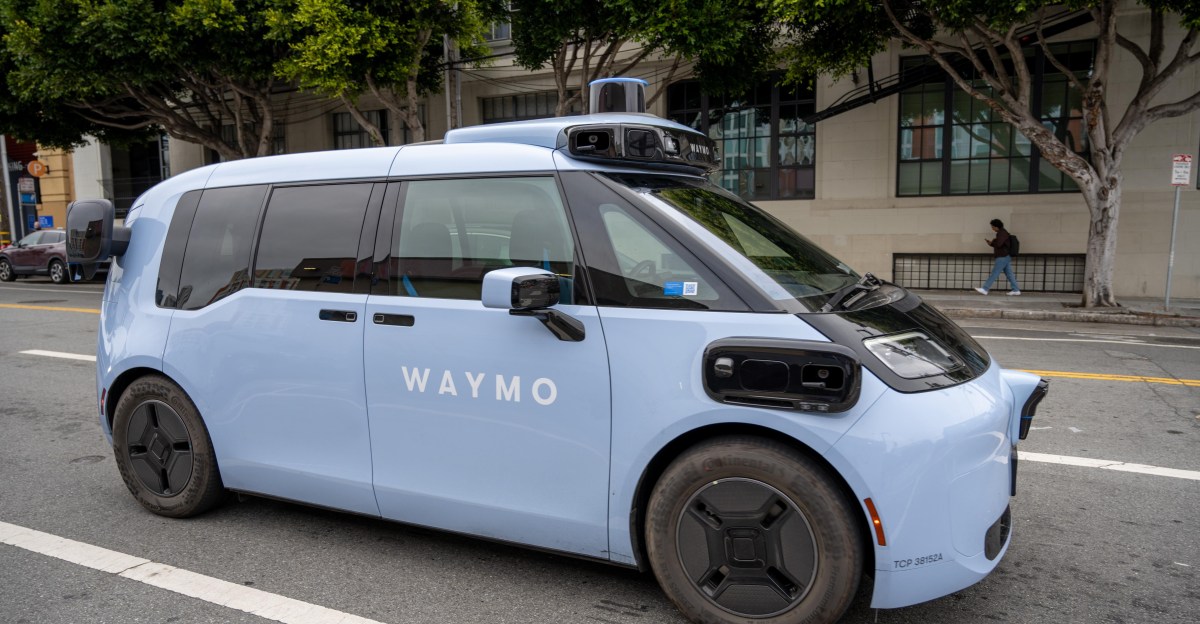
Waymo Targets Singapore For Commercial Robotaxi Service In 2028
Alphabet’s autonomous driving unit, Waymo, has officially announced plans to expand its commercial robotaxi operations into Singapore by 2028. The move marks a major milestone in the company's aggressive international growth strategy. By establishing a presence in Southeast Asia, Waymo aims to solidify its position as a leading global provider of driverless ride-hailing services while expanding its operational footprint well beyond North America.
The multi-year rollout strategy will begin significantly ahead of the projected 2028 commercial launch. Custom-equipped Waymo vehicles are scheduled to arrive in Singapore in the coming months. These initial vehicles will be dedicated to mapping the city-state's dense urban roads and conducting preliminary testing. Throughout 2027, all test drives will feature human safety drivers behind the wheel to monitor software behavior and evaluate public safety.
Company executive statements confirm that the ultimate goal remains offering fully autonomous, driverless ride-hailing services directly to the public by 2028. Moving from monitored testing to driverless operation requires extensive local validation. Waymo intends to leverage its domestic operational experience to adapt its autonomous driving software to Singapore’s unique traffic flow, right-hand drive configuration, and distinct urban layout.
Navigating Singapore’s Strict Regulatory Framework
Before accepting fare-paying passengers, Waymo must clear significant regulatory hurdles established by local authorities. Formal approval from Singapore’s Land Transport Authority is mandatory before any commercial deployment can occur. The city-state maintains some of the most rigorous safety standards in the world for driverless technology, requiring every autonomous vehicle platform to undergo exhaustive evaluations before receiving public road authorization.
The testing protocol takes place at the specialized Centre of Excellence for Testing and Research of Autonomous Vehicles. This facility conducts safety assessments developed through a collaboration between transport regulators and the Traffic Police. Vehicles are evaluated across challenging simulated urban environments, edge-case scenarios, and adverse weather conditions to verify that the autonomous system can navigate complex road situations safely.
Waymo is not starting completely from scratch in the island nation. Industry filings reveal that the company established a dedicated corporate entity in Singapore earlier this year. Furthermore, Waymo has actively participated in Singapore’s Steering Committee on Autonomous Vehicles. This proactive engagement has allowed company engineers and policy experts to align their technology roadmap directly with national transport objectives and safety guidelines.
Singapore as a Global Hub for Autonomous Mobility
Singapore has rapidly transformed itself into one of the world’s premier testing grounds for next-generation transportation solutions. Municipal authorities have already approved various autonomous applications, ranging from automated freight delivery vehicles and driverless road-sweepers to self-driving shuttle buses servicing airport personnel. This existing infrastructure and public familiarity with autonomous technology make the country an ideal location for commercial robotaxi integration.
The city-state has a history of hosting autonomous vehicle trials, dating back to 2016 when early robotaxi pilots were conducted by mobility firms. Waymo leadership emphasized that Singapore’s highly efficient, forward-thinking transit framework aligns seamlessly with the company's core values. Corporate leadership noted that the city's commitment to reliability and human-centric infrastructure directly mirrors the architectural philosophy behind Waymo's autonomous driving system.
Accelerating International Deployments Beyond North America
The Singapore initiative represents just one component of Waymo's broader international expansion roadmap. According to corporate announcements, the company plans to launch its driverless commercial service in London by the end of 2026. This European entry will be followed by planned deployments in Tokyo in 2027, as well as Munich, Germany, which will mark Waymo’s official debut within the European Union market.
Simultaneously, Waymo continues to scale its domestic network across the United States. The company currently maintains a fleet of approximately 4,000 autonomous vehicles operating across nearly 15 major U.S. metropolitan areas. Recent domestic additions to its growing service network include high-density markets such as Nashville, Denver, San Diego, and Las Vegas, where driverless rides are expanding to meet consumer demand.
Overcoming Domestic Roadblocks Through International Growth
Despite its rapid expansion across select American cities, Waymo faces persistent operational and political headwinds domestically. Complex local regulatory frameworks, organized labor opposition, and municipal skepticism have stalled driverless ride-hailing deployments in major metropolitan centers like New York City, Chicago, and Washington, D.C. These domestic bottlenecks have forced autonomous vehicle developers to seek more welcoming regulatory environments abroad.
International markets offer a streamlined path forward for commercial scaling, provided companies can satisfy stringent safety evaluations. By targeting tech-forward global hubs like Singapore, London, and Tokyo, Waymo is diversifying its geographic exposure while proving the global adaptability of its autonomous stack. The strategy signals that driverless technology is transitioning from a localized novelty into a major global transportation sector.
Industry analysts note that international expansion allows Waymo to refine its software against vastly different driving cultures, road layouts, and traffic regulations. Learning to navigate diverse international environments will ultimately strengthen the overall resilience of the driverless system. As competition in the autonomous vehicle space intensifies globally, Waymo's multi-continent deployment timeline positions the Alphabet subsidiary to maintain its commercial lead over rivals.
With vehicle testing beginning shortly and public commercial operations scheduled for 2028, Singapore is set to become a vital proving ground for Waymo’s international ambitions. The partnership between Alphabet’s self-driving division and Singapore’s forward-looking transport regulators highlights how targeted international collaboration can accelerate the future of urban mobility on a truly global scale.
