
Tesla has officially brought its massive cathode manufacturing plant online at Gigafactory Texas, marking a significant structural shift in domestic electric vehicle battery production. According to official company disclosures, the state-of-the-art facility in Austin has initiated high-volume commercial refining and synthesis of cathode active materials. This operational milestone represents a crucial step forward in establishing a fully localized, end-to-end battery manufacturing ecosystem within North America.
The newly operational facility spans over one million square feet adjacent to the main vehicle assembly lines, serving as the central engine for raw material processing. Engineering data indicates that the plant is designed to handle nickel, manganese, and iron formulations directly. By centralizing these complex chemical operations, the company aims to feed its rapidly expanding 4680 battery cell production lines with minimal logistical delays.
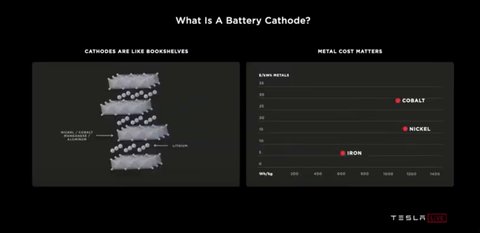
Industry analysts note that bringing cathode refining in-house dramatically alters the financial mechanics of electric vehicle production. Cathode materials traditionally account for nearly forty percent of the total cost of a lithium-ion battery cell. Owning this stage of the supply chain grants the automaker unprecedented control over both component quality and direct production expenses during a critical period of global market expansion.
Advanced Production Process and Technical Capabilities
The Giga Texas cathode plant incorporates refined dry-electrode processing techniques that bypass traditional wet-slurry methods. Official company disclosures highlight that this innovative process eliminates the need for massive industrial drying ovens and toxic solvents such as N-Methyl-2-pyrrolidone. Consequently, the facility dramatically reduces thermal energy consumption, capital equipment requirements, and physical floor space needed for chemical processing.
Engineering data reveals that the dry-cathode synthesis process lowers manufacturing energy intensity by more than fifty percent compared to legacy battery processing plants. Furthermore, the localized refinement process allows for real-time quality monitoring at the atomic level. This granular control ensures higher chemical purity across output batches, directly enhancing the overall energy density and lifespan of the finished battery cells.
The output from this facility directly supplies the adjacent 4680 cell manufacturing lines, creating an integrated manufacturing loop. Automated material transport systems rapidly move processed cathode powder into cell assembly areas. Regulatory filings indicate this continuous flow design reduces internal freight overhead while maximizing operational throughput, allowing the Austin complex to set new benchmarks for manufacturing efficiency.
Supply Chain Independence and Cost Reductions
Establishing domestic cathode capacity drastically reduces reliance on overseas refining networks that have historically dominated battery component processing. According to regulatory filings, the Texas plant receives raw lithium and nickel directly from North American mining partners and regional refiners. This shortened supply chain significantly insulates production lines from geopolitical disruptions, volatile shipping rates, and international trade policy shifts.
Financial models based on industry analysts' reports suggest the cathode facility will drive cell-level production costs down toward target thresholds below seventy dollars per kilowatt-hour. Achieving these aggressive cost reductions provides the automaker with substantial margin flexibility. This economic advantage allows for more competitive retail vehicle pricing while maintaining profitability across both entry-level and premium product lines.
The localized processing strategy ensures full compliance with evolving North American trade frameworks and clean energy subsidies. Official company disclosures indicate that cells built with Austin-processed cathodes easily clear strict domestic content requirements. This regulatory alignment secures valuable consumer tax credits and manufacturing incentives, further reinforcing the company's financial resilience in a highly competitive automotive market.
Market Impact and Delivery Targets
The activation of full-scale cathode refining arrives as demand for localized cell manufacturing reaches an all-time high across the automotive sector. Industry analysts observe that legacy automakers and battery joint ventures continue to face scaling bottlenecks in North America. Tesla's ability to execute in-house chemical processing highlights a growing manufacturing divide between vertically integrated producers and traditional OEMs.
The surge in cathode output directly accelerates production schedules for several flagship vehicle programs. Engineering data suggests the streamlined supply of 4680 cells will support expanded assembly of the Cybertruck and high-volume Model Y variants. Additionally, the localized battery pipeline provides the necessary foundation for scaling next-generation platform vehicles and autonomous Cybercab fleets planned for mass rollout.
Beyond passenger vehicles, the Texas cathode milestone positively influences stationary energy storage operations. Excess cathode material and cell output will support grid-scale Megapack systems and home energy products. Official company disclosures demonstrate that expanding internal cell supply helps satisfy surging utility-scale energy storage demand, creating an additional multi-billion-dollar revenue pillar alongside vehicle sales.
Strategic Outlook for Energy Infrastructure
Looking ahead, expansion plans outlined in regulatory filings show provision for additional modular cathode processing units at the Texas campus. The master facility plan allows for doubling throughput capacity as raw material processing technology continues to evolve. Future upgrades will integrate advanced zero-waste recycling streams, allowing reclaimed battery-grade metals to re-enter the production loop directly on site.
The successful scaling of the Giga Texas cathode facility sets a new standard for sustainable, localized industrial manufacturing. By unifying raw material processing, cell manufacturing, and vehicle assembly on a single campus, the company has established a template for future gigafactories globally. Industry analysts conclude that this milestone secures long-term cost dominance and technological independence.
